Santa Teresa la Nueva
A striking Baroque work by Pedro de Arrieta stands the test of time.
Santa Teresa la Nueva is a former convent in the Centro Histórico in Mexico City. Founded in the early 18th century, it has long been referred to as "la Nueva" to distinguish it from the 17th-century Santa Teresa la Antigua. The convent was founded in order to care for young women without dowries sufficient to marry.
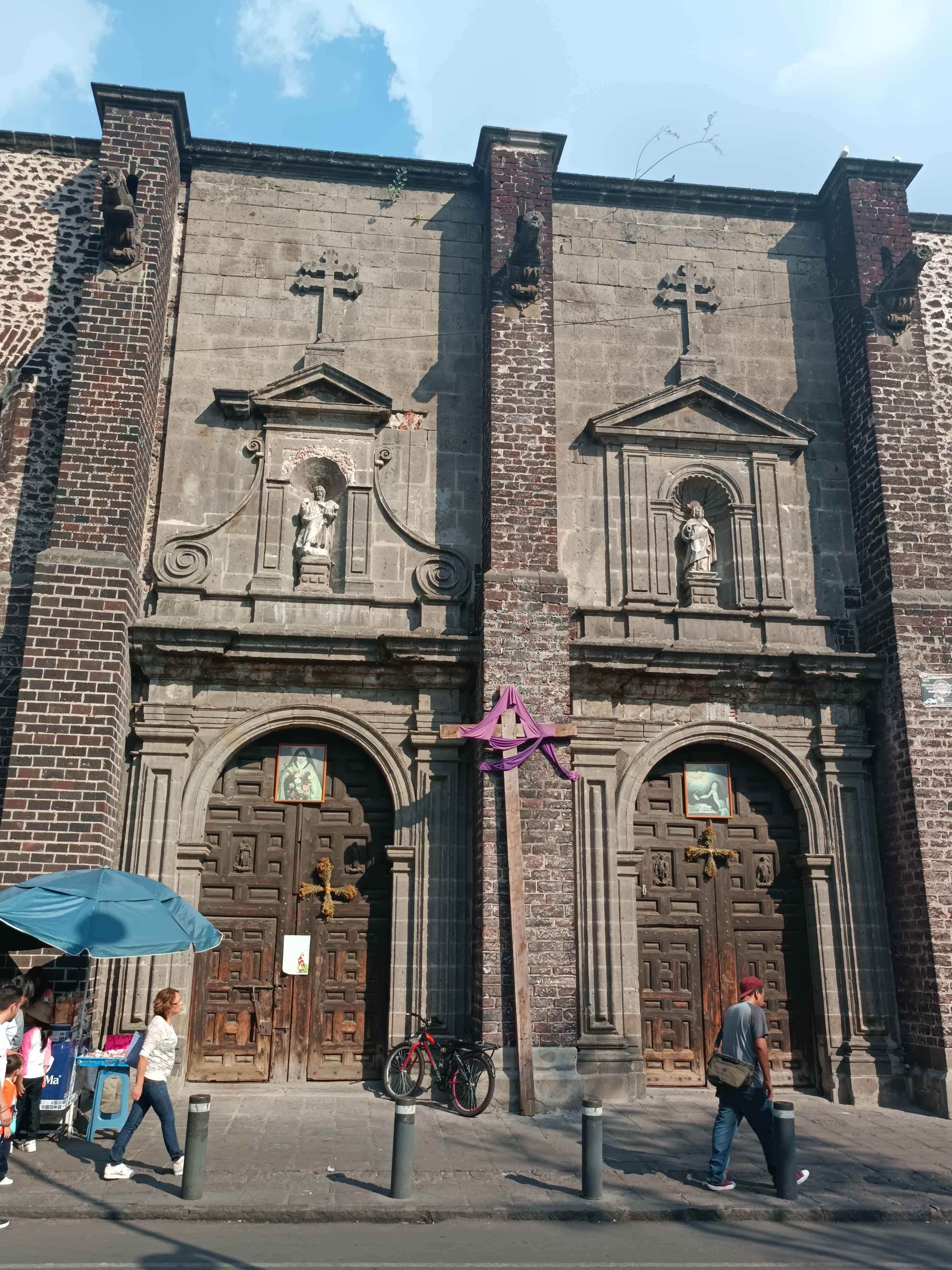
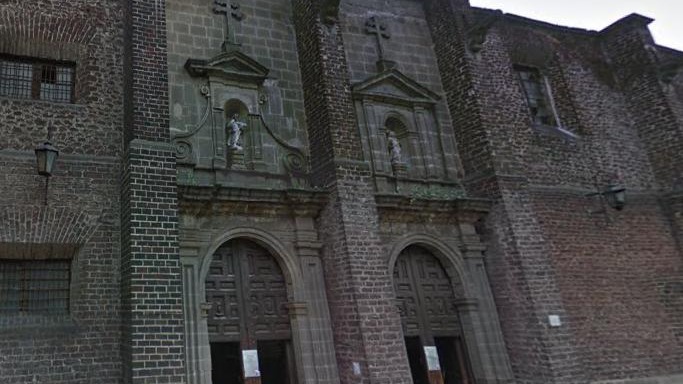
As nuns, they were well known for producing pink-beaded scapulars of the Virgen del Carmen.The building is by architect Pedro de Arrieta and noted for the double-west facing entryways. These distinguish the church as part of a women's convent.
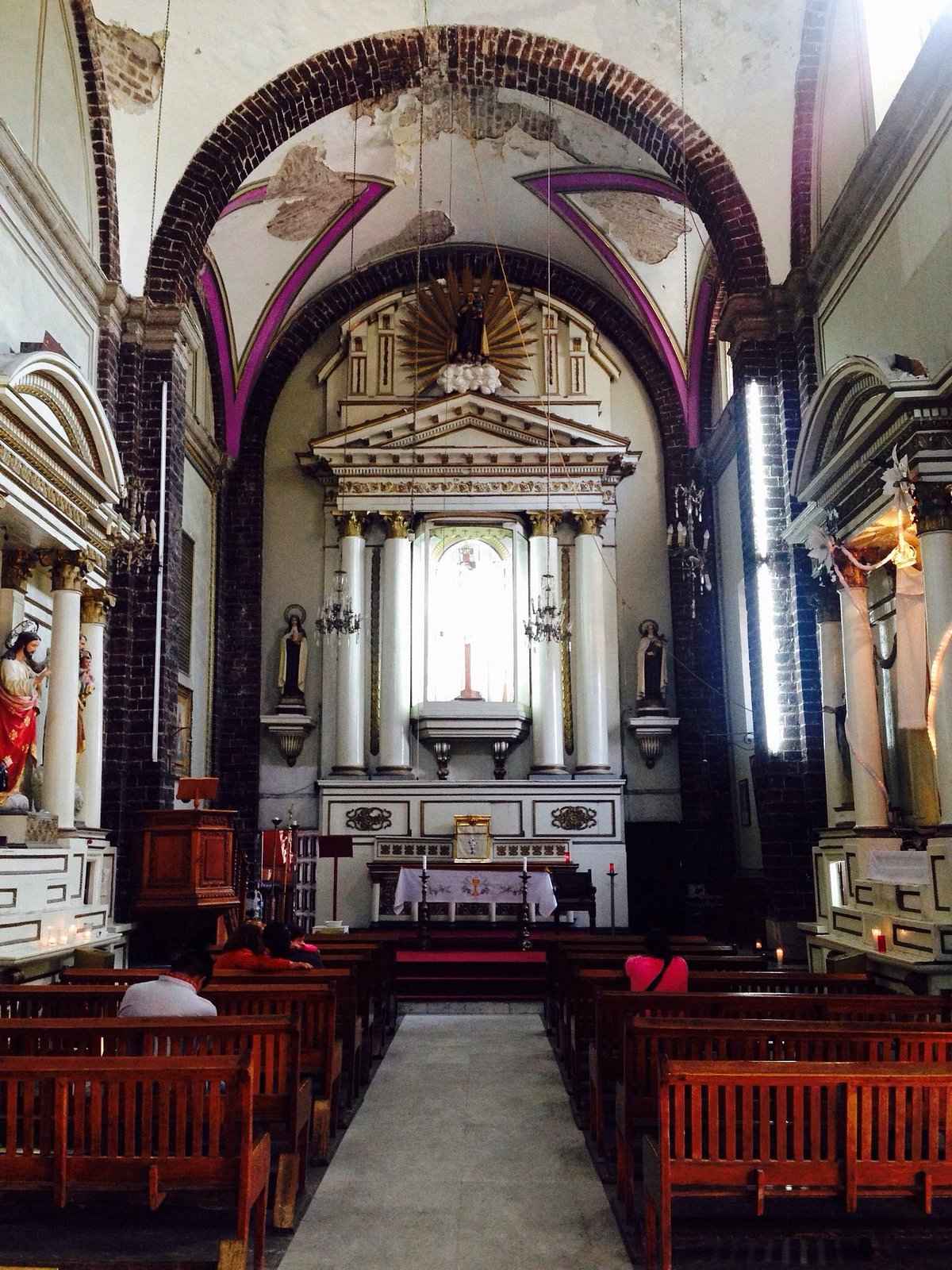
The temple faces west to the Plaza Loreto. Originally, the convent was quite a bit larger and spread out to the east. Most of these structures were subdivided, sold, and some lost, in the mid-19th century. Arrieta completed his work on the temple in 1715. Much of the original Baroque style has been lost through subsequent renovations but a few details will still be evident. Most of the interior and exterior today appear in Mannerist and Neo-Classical styles.With the religious reforms of the 19th century, the Convent fell under the control of the Governor of Mexico City. In 1866, governor Ignacio Trigueros created the Municipal School for Deaf-Mutes. In 1870, this became the National School for the Blind. And the school continues on the remains of the Santa Teresa la Nueva property to this day.








-(1)-(1).png)