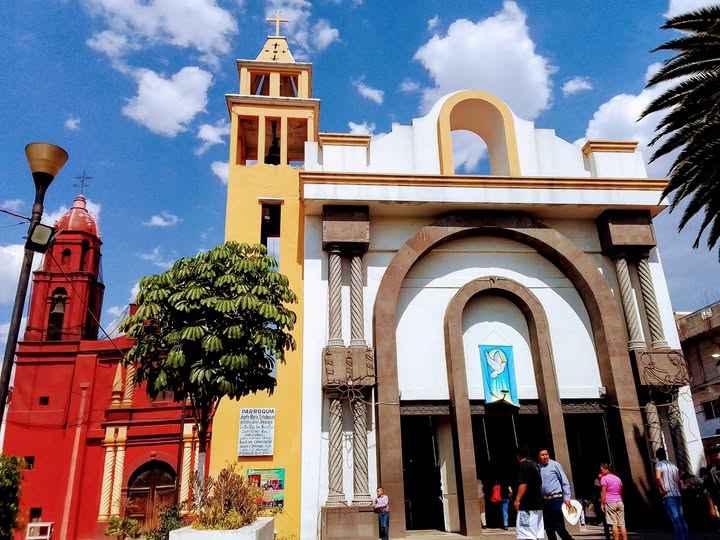
Templo de Santa María Aztahuacán
The church we see today originated in the 18th century.
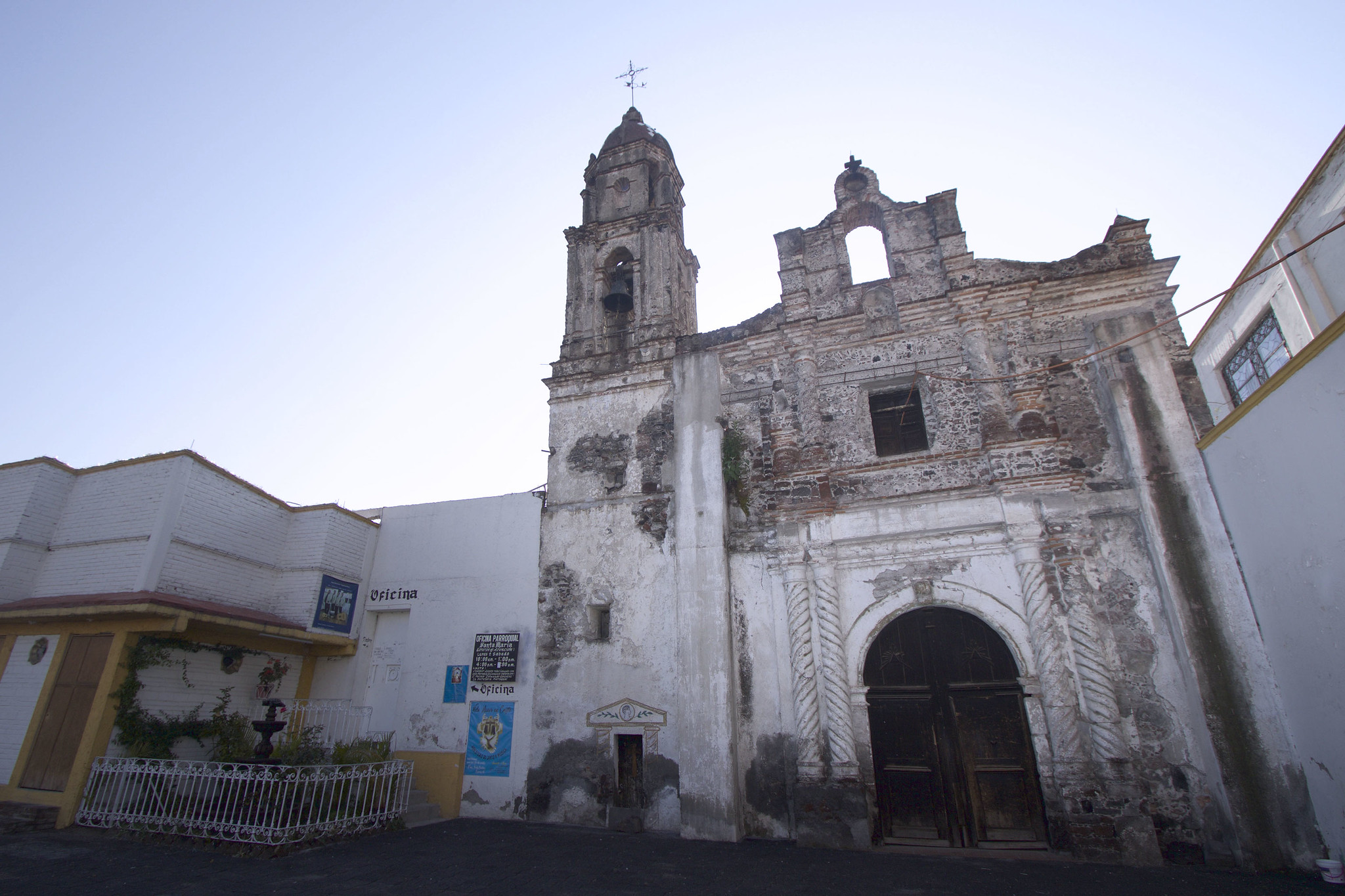
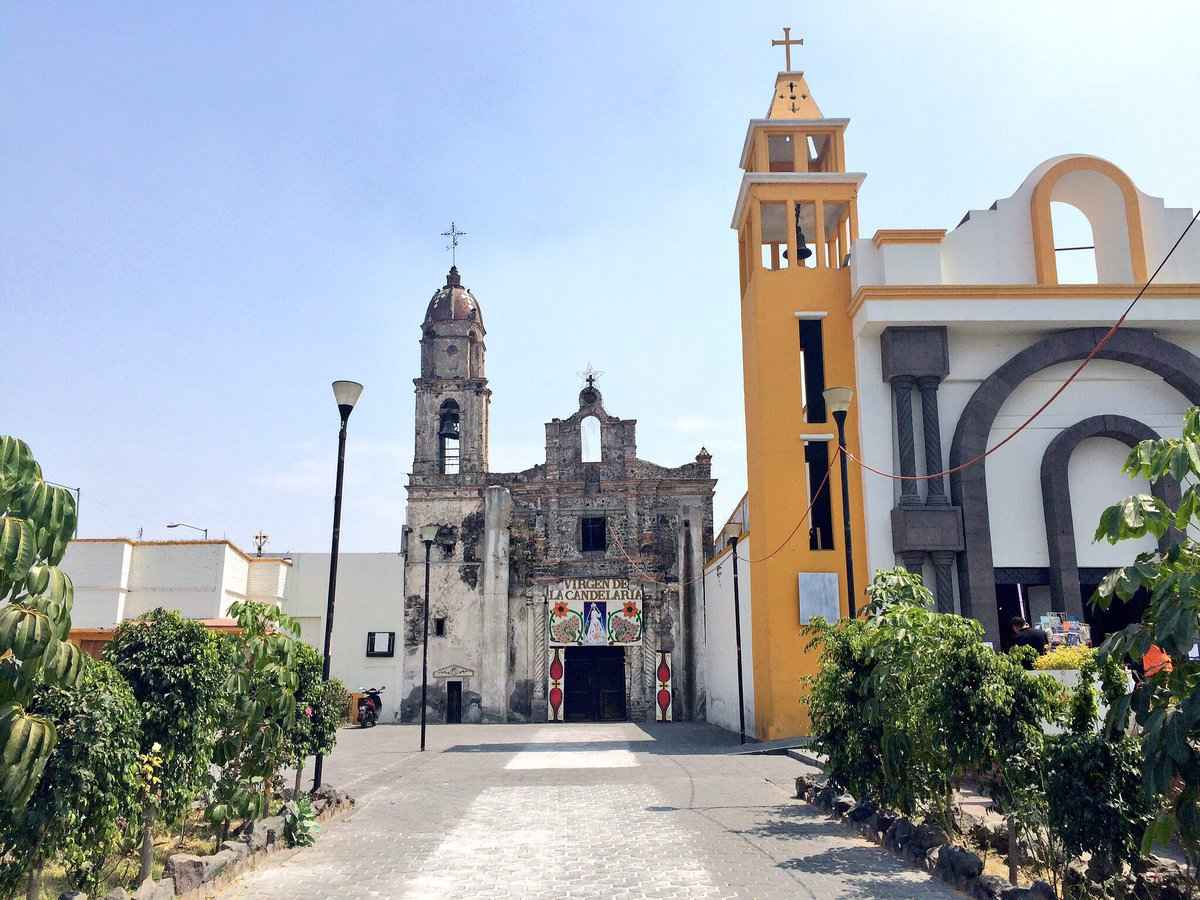
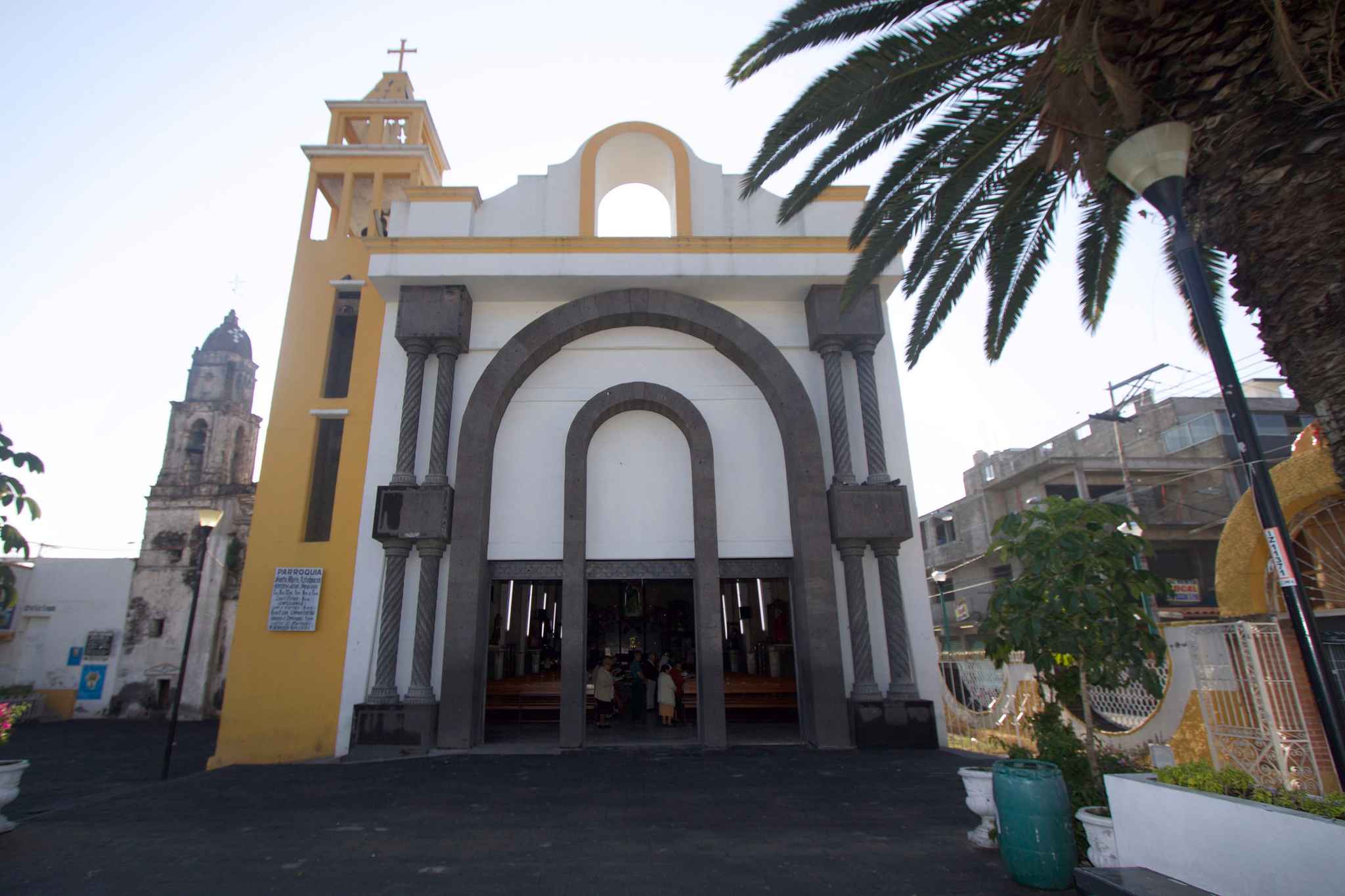
The Templo de Santa María Aztahuacán is the parish church of the town of the same name. It's just north of the town square with the famous clock. Today an older church is complemented by a much newer structure, but the two share the same atrium which also acts as a quasi-public space. It's a very important town, one of 15 original settlements in Iztapalapa, Mexico City.
Alive with tradition and culture, much goes back hundreds of years, and some going back even further. The church we see today originated in the 18th century. It replaced a much older 16th century structure. Badly damaged in the earthquakes of 2017, the older church is slowly being restored with help from the National Institute of Anthropology and History (INAH). More recently, the older church has only been used for the Feast of Santa María (the Fiesta Patronal) on August 15, and for the Day of the Dead.The newer church and the atrial wall were both built in 1973. The two buildings that make up the Templo de Santa María Aztahuacán occupy the north of the center of the old town.
The FiestasIt's a town known especially for the processions and street fairs. All of these have a religious character and have come down through history as expressions of what it means to be Aztahuacán.
These are the most prominent:
-Candelaria/Candlemas (Presentation of the Christ Child)
- February 2 Carnival
- Sunday before Ash Wednesday Feast of the Blessed Sacrament (called La Cera in Iztapalapa)
- Monday before Ash Wednesday Trinity Sunday
- Mid-May to Mid-June Fiesta Patronal/Feast of the Virgin Mary
- August 15 Feast of the Virgin of the Rosary
- 2nd Monday in October Feast of the Virgin of Guadalupe
- December 12








-(1)-(1).png)