Temple of Saints Cosme and Damian, San Cosme
There is no San Cosme neighborhood, but the causeway has a past as storied and alive as any in the City.
In truth there is no San Cosme neighborhood. Bordered to the north by Santa Maria la Ribera and to the south by San Rafael inMexico City, understanding this causeway, but one section on the old road to Tacuba, is as interesting as the curiously graceful ruins of the Cine Opera (below) that almost overshadows the area's original church.
The old pueblo of San Cosme is said to have originated as early as 1524 when Hernan Cortes was distributing lands for orchards and farmland. This original pueblo, along the calzada to Tacuba, had a chapel and hospital by 1540 and by 1581 was welcoming a band of Franciscans. They were likely charged with maintaining that same hospital as it was granted to them by the viceroy count of La Coruña and the archbishop, Pedro Moya de Contreras.The current Templo de los Santos Cosme and Damian building was begun in 1672, and eventually used to inter the remains of the Viceroy Juan Vázquez de Acuña when he died in 1734. He is said to have regularly attended Mass here. As time went on, the surrounding farmland and orchards were converted not just to city streets, but to the famous gardens (tívolis) for which San Cosme is remembered even today. The tívoli of San Cosme had been the most highly regarded for it's forested garedens, gazebos, and water ways.
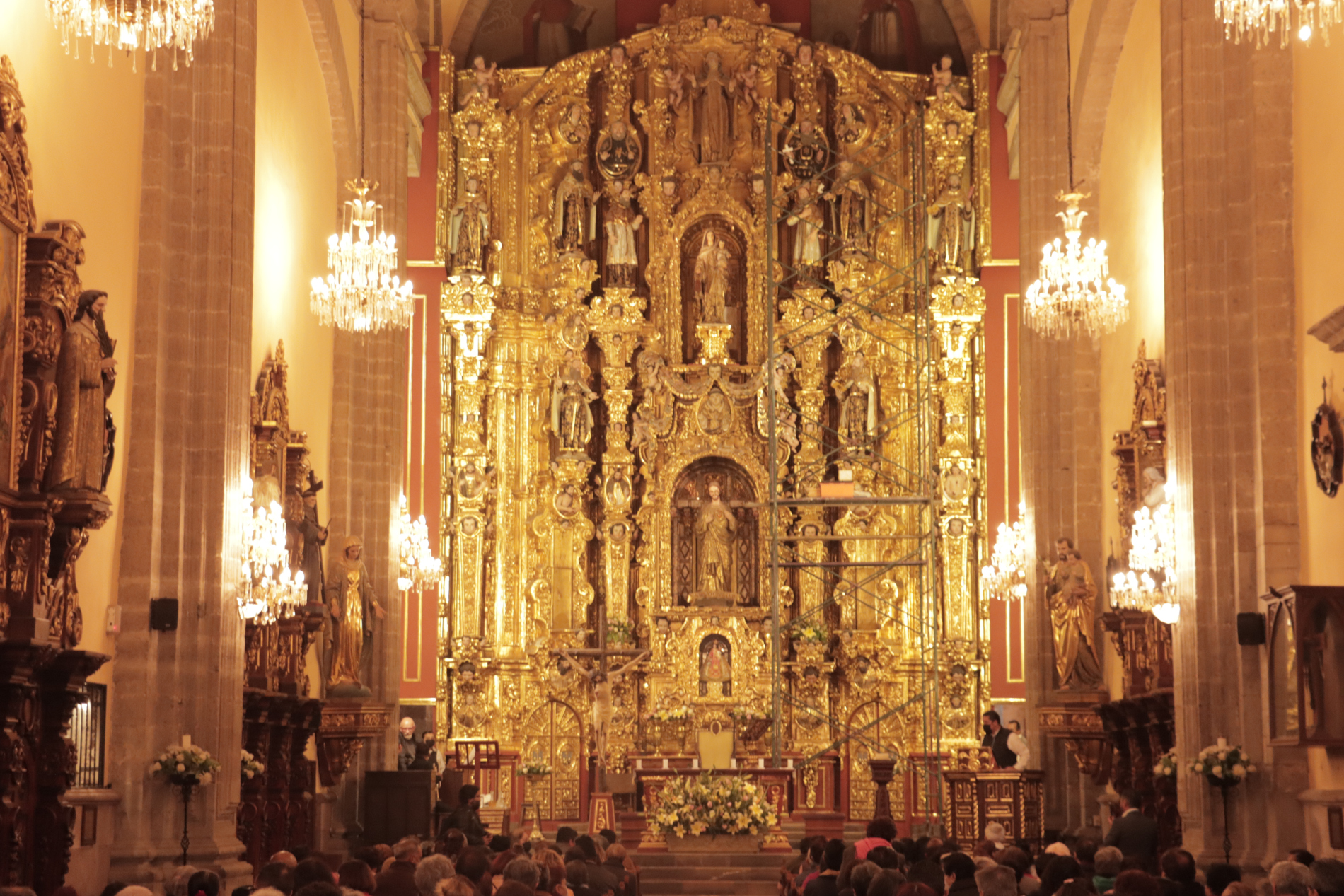
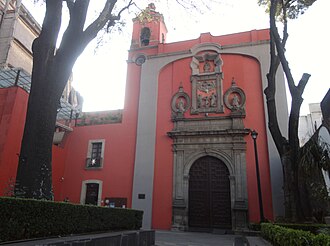
The church bearing the name of the Ribera de San Cosme, (pictured above) is just off the avenue to the south in San Rafael. San Cosme is today but an avenue, albeit one flanked by a tianguis, and the market, and Metro station. The church is built in a traditional Latin cross plan. With a barrel arched ceiling and an octagonal dome to cap the single-body tower, it's always worth a ponderous visit.In the classic 17th-century Baroque, there's a relief of the Holy Family flanked by sculptures of the two twin brother saints. The main altarpiece, in a strong Churrigueresque style, had been at the temple of San Joaquín de Tacuba, just a span up the same causeway. To visit is to take part in some of all of this history, and to take still more away with you.







-(1)-(1).png)