One of Mexico City's oldest traditional training and sports facilities.
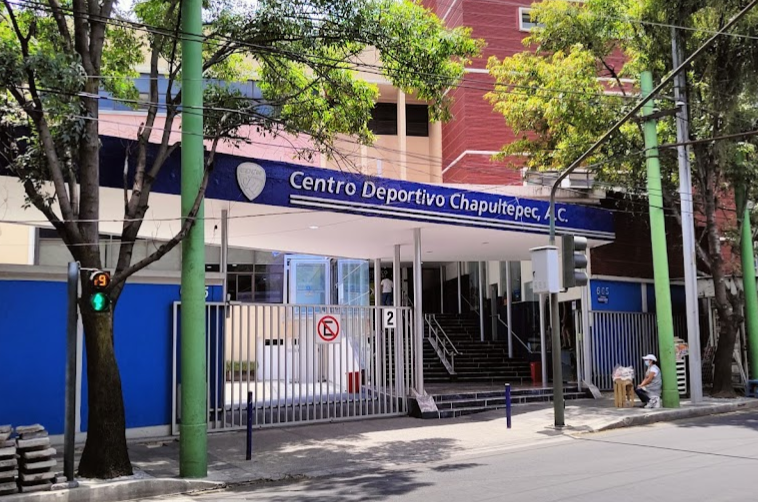
Centro Deportivo Chapultepec
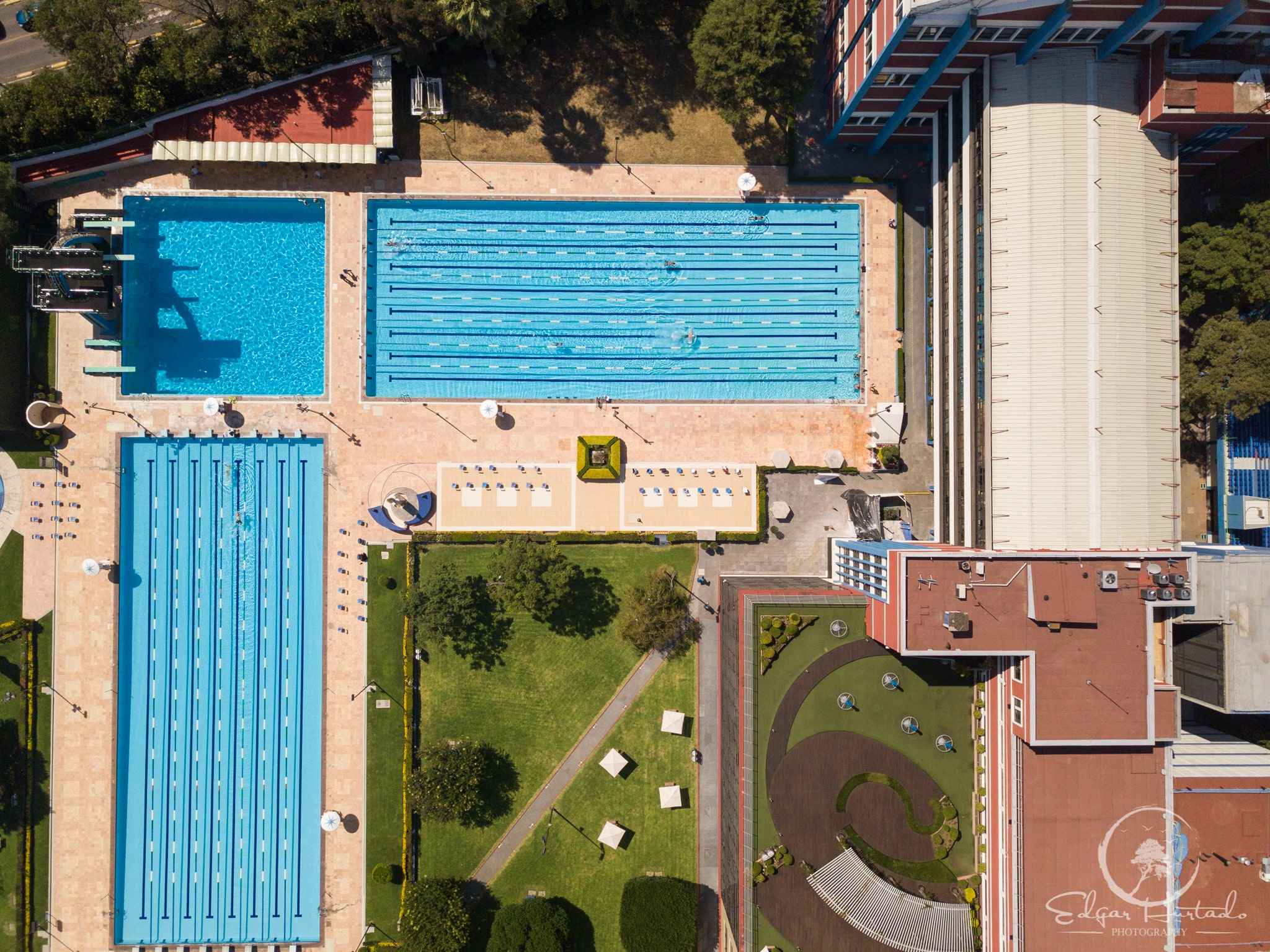
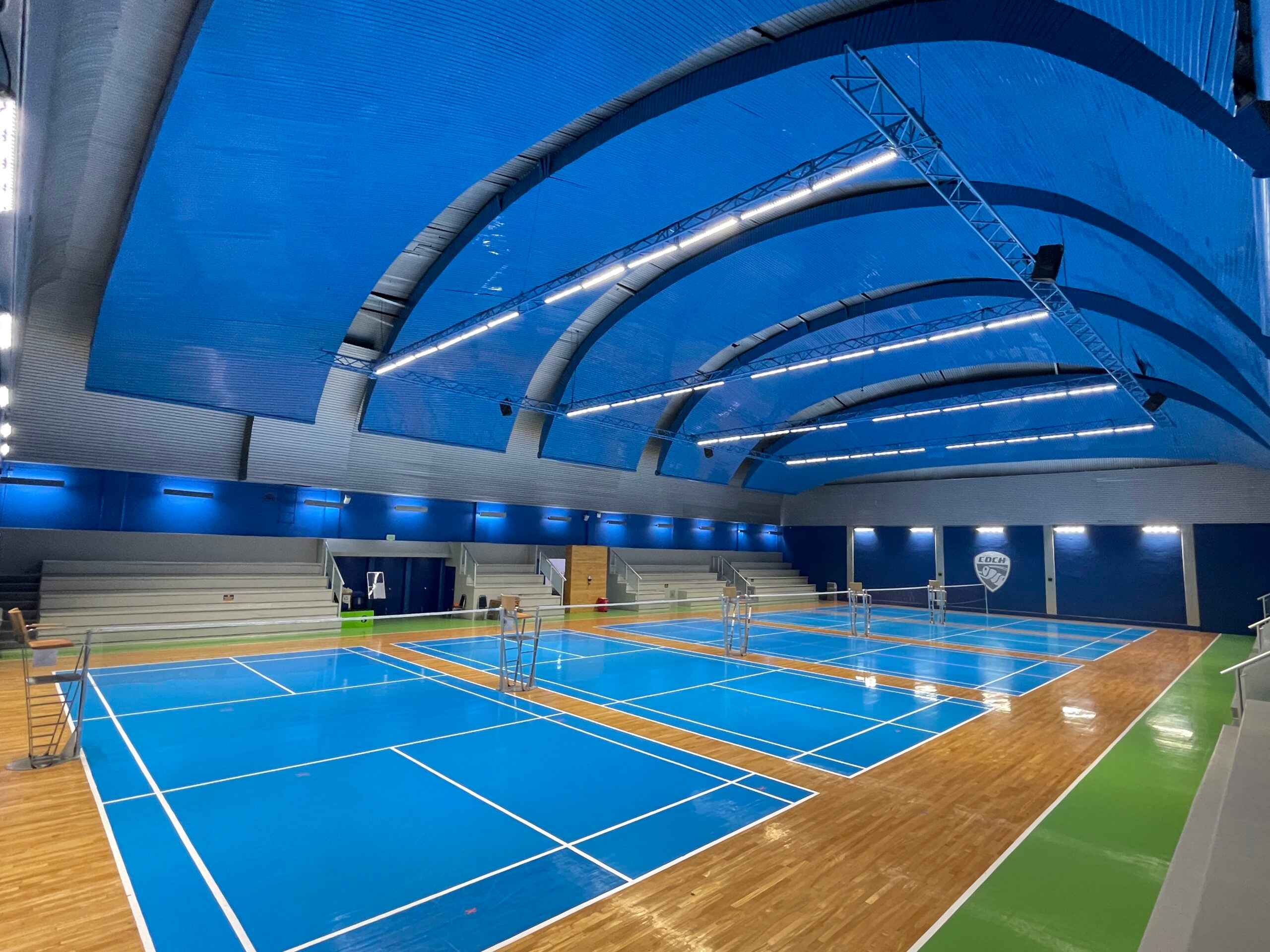
The Centro Deportivo Chapultepec (Chapultepec Sports Center) in Mexico City is a historic sports club that's appreciated as much for its art collection and cultural life as for its sports facilities. The grounds include the important Foro Cultural Chapultepec just to the south of the considerable sports facility.The center began as an initiative of a group of English investors way back in 1894. When an original lease on the land expired, in the 1920s, the club was greatly expanded. In 1937, upon a renaming, the center was acquired by the Bank of Mexico. Facilities were formally opened in 1950, and even today much of the membership includes bank employees.From the street, visitors can see the giant 1939 relief sculpture by Francisco Zúñiga. (It's used as an illustration on the linked page.) But that's just the beginning of the cultural offering. The club is arguably most famous for a collection of eight giant murals by Ramiro Ramo in the main lobby. Ramo is probably best remembered for his work painting the interior of the Sala Teotihuacan within the nearby Anthropology Museum. That was in 1963. He was present for a renovation and rededication of the murals here in 2006. The series recounts the History of Sport in Ancient, Colonial, and Contemporary Mexico. Ramo died just a year after the restoration of the works.The Centro Deportivo has seen generations of club member families take to the extensive swimming facilities. But the center is especially well regarded for fronton, tennis and badminton courts. There's also squash courts and a football practice field. The Rafael “Pelón” Osuna Stadium is used mostly for tennis matches. Pelón Osuna, trained here and went on to compete for the Davis Cup.The Center includes several and fitness centers, for cardio, weight training and spinning. Pilates, yoga, and ballroom dancing take place in one of two big multi-purpose rooms.For international visitors, an invitation is probably the only way inside. It's an important cultural touch point as well as a historic club. But for generations of families in the area, it's also been an important meeting point, recreation area, and training facility.
Support chat
Kúul
Hi, my name is Kúul! Tell me about your interests or the type of experiences you're looking for, so I can offer you more personalized recommendations.








-(1)-(1).png)