Auditorio "Javier Barros Sierra"
Magnificent mural work from one of Mexico's great monumental sculptors
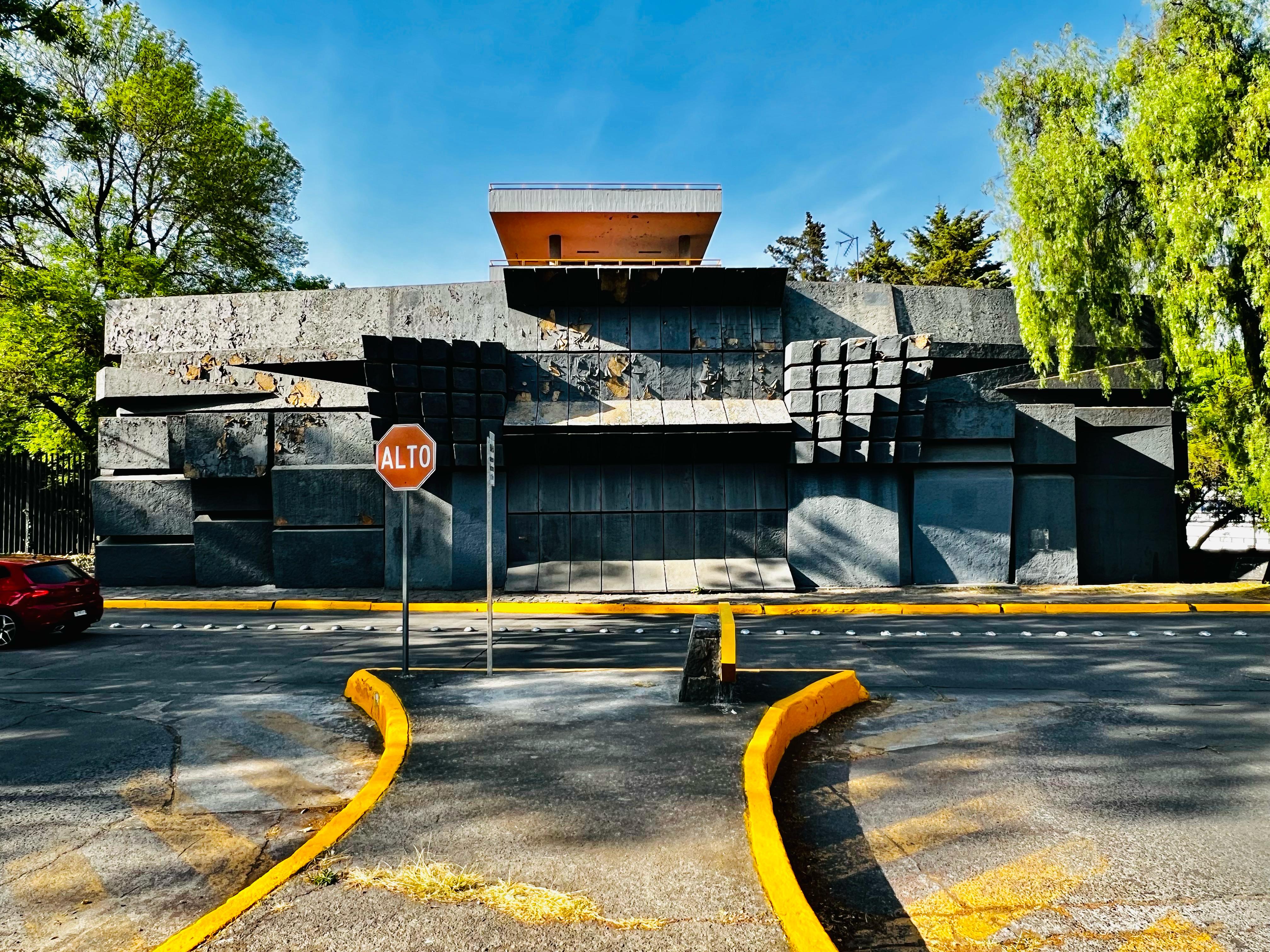
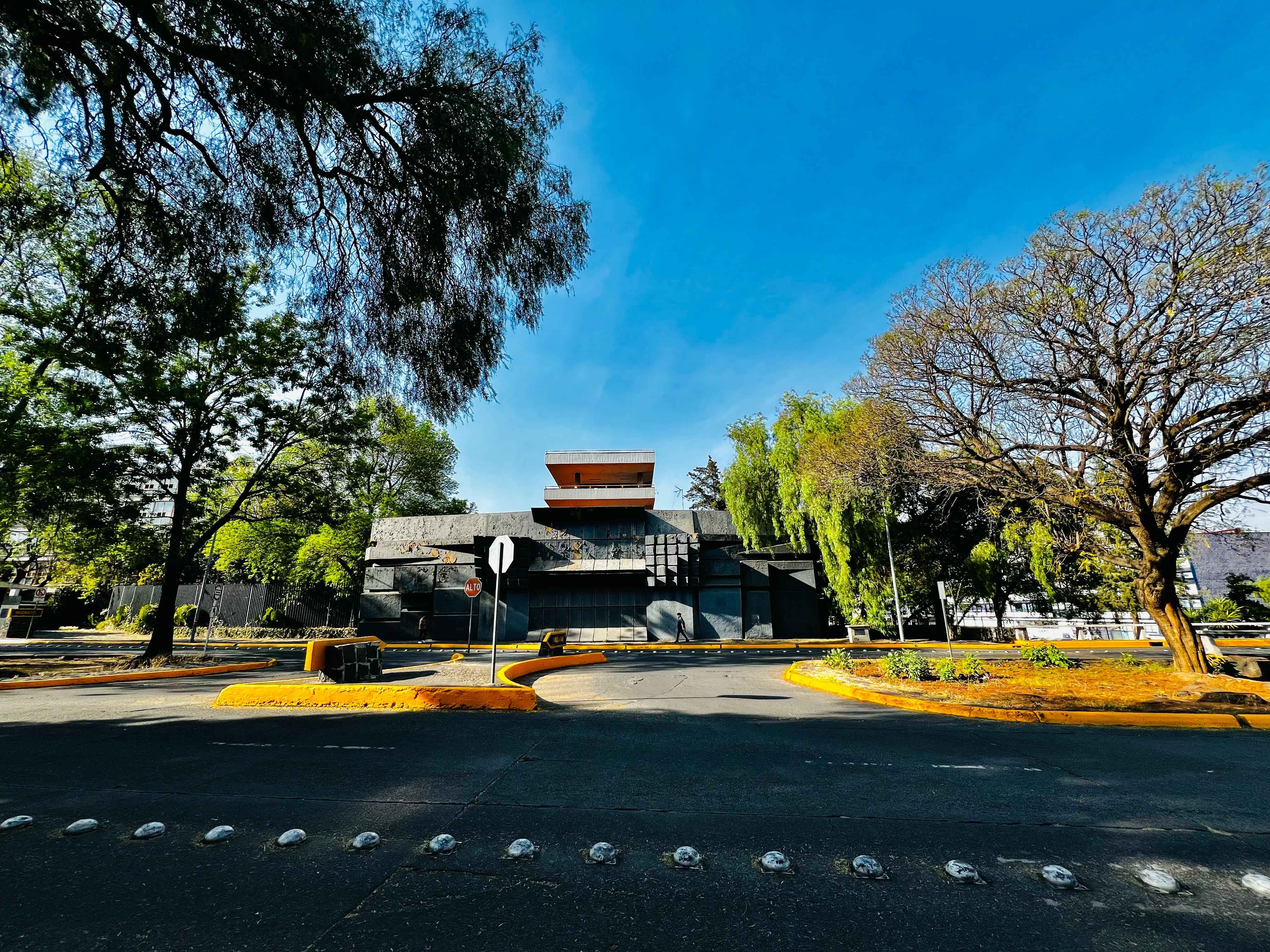
The Auditorio "Javier Barros Sierra" in Mexico City is one of the most important big lecture halls for the UNAM Faculty of Engineering. It's listed here because it's also the site of a few of the university's most important murals. And the general public may visit them.
Javier Barros Sierra (1915-1971) was a distinguished scholar, engineer, mathematician, academic, and public official. After a long and successful career as an academic, he became rector of the National Autonomous University of Mexico in 1966. In that role, he faced off against the Mexican Army who'd invaded the university. Resigning in protest, he was reinstated as Rector only after the Tlatelolco massacre and the departure of the Army from the CU campus.
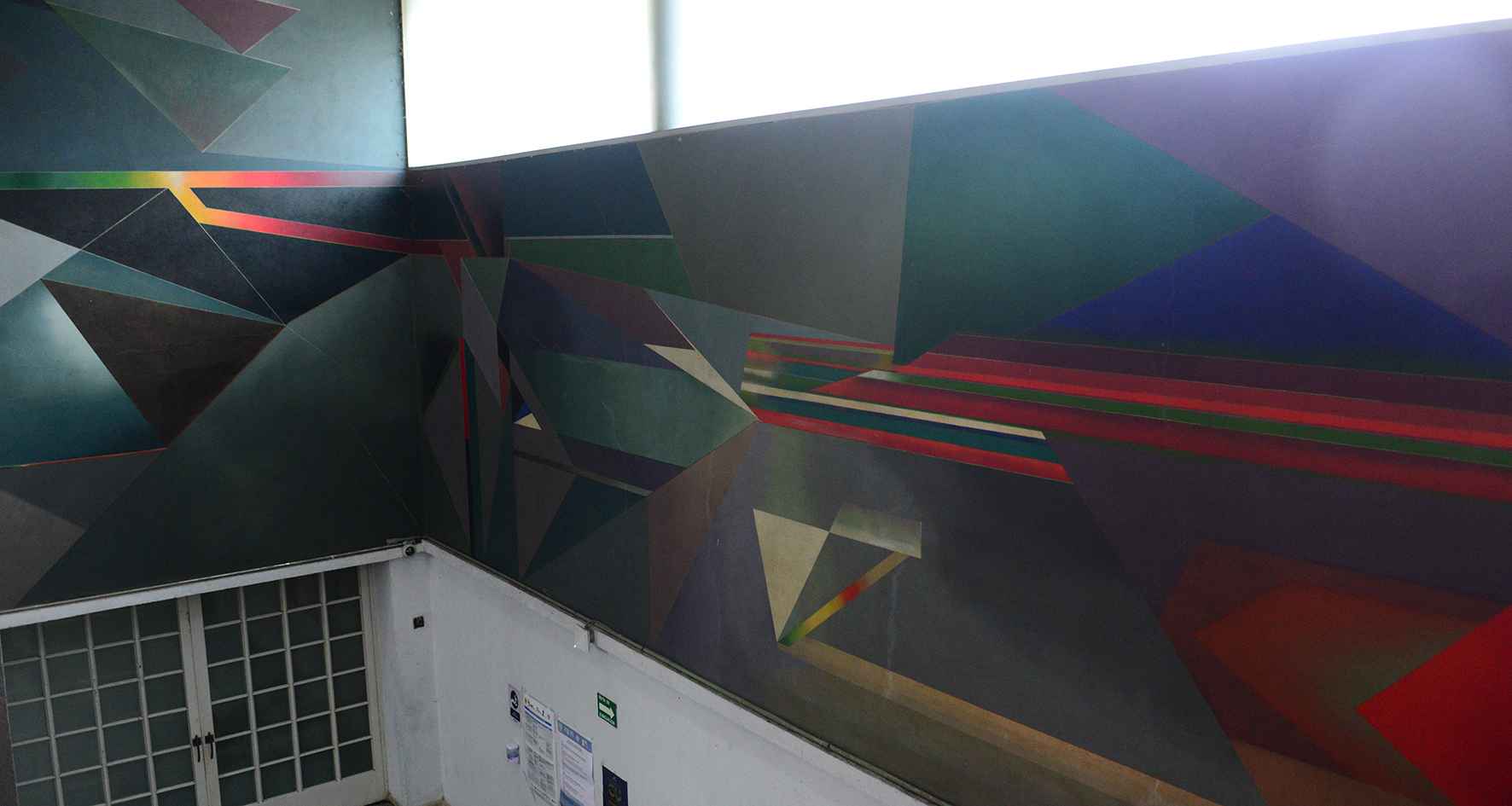
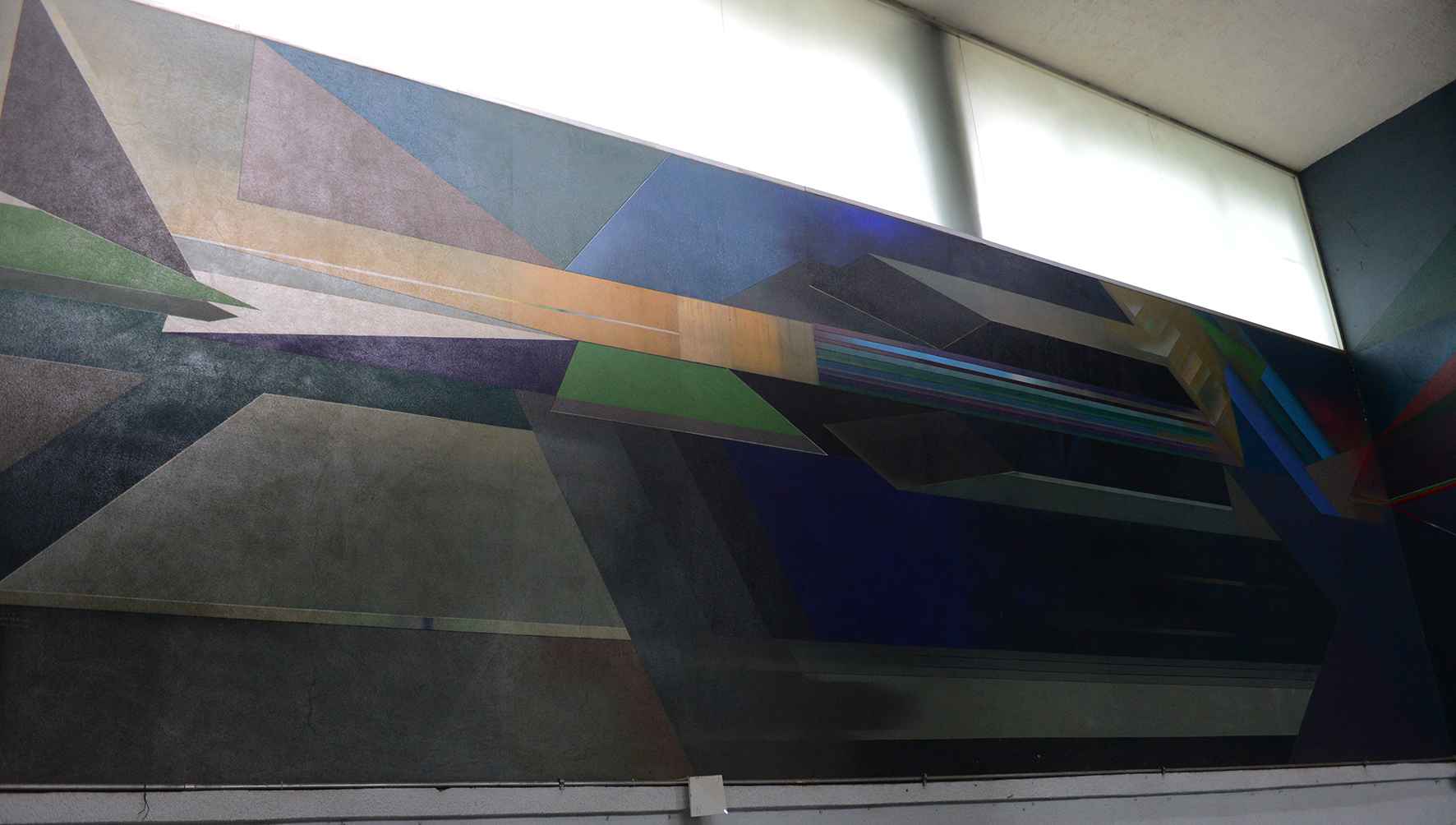
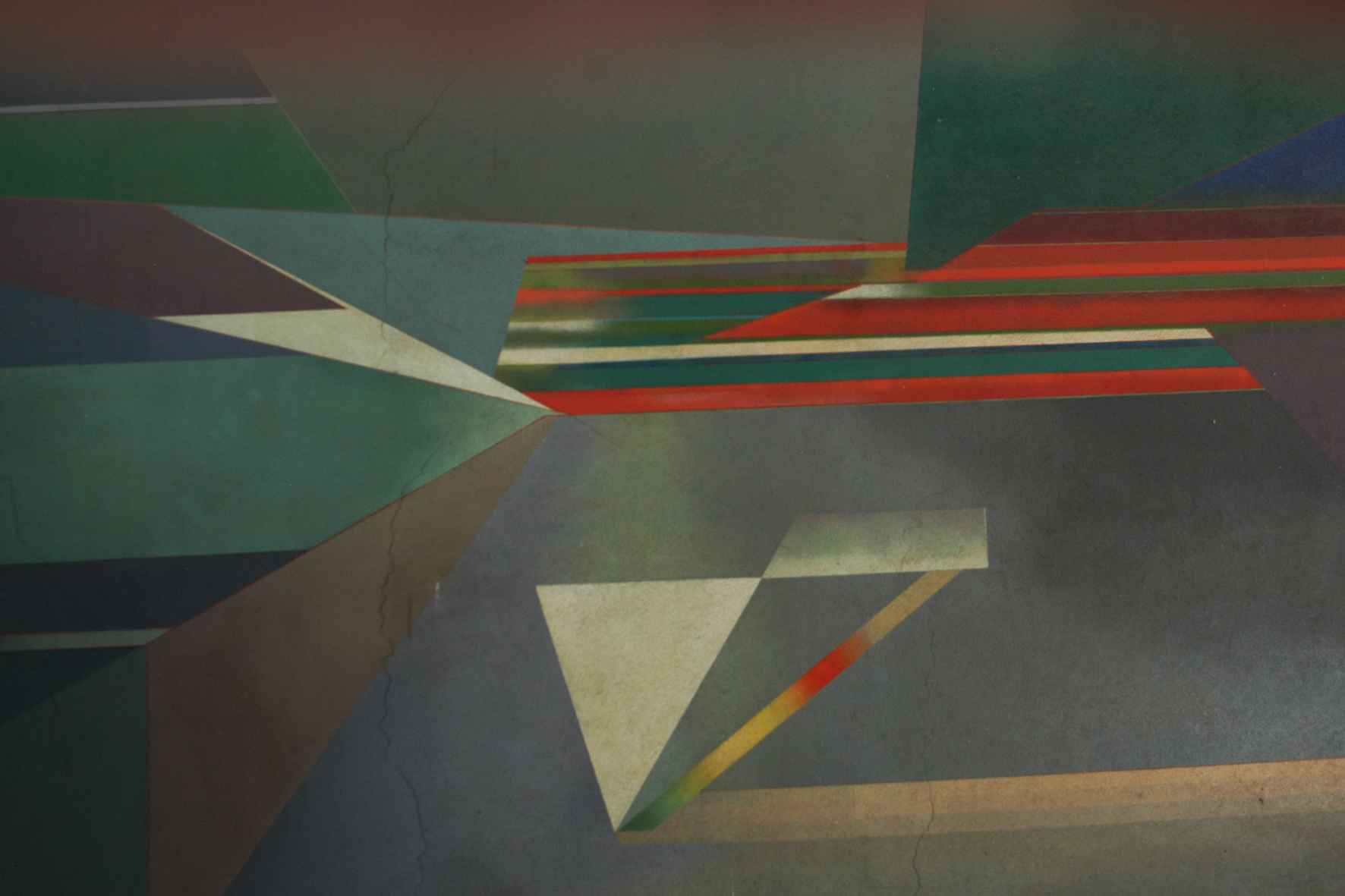
He remained rector until May of 1970, and died one year later.The lobby of the auditorium provides space for a giant 1980 mural work by Federico Silva. Titled Historia de un espacio matemático (History of a Mathematical Space), it's an enormous abstract work. Silva reminded viewers that all mural painting was, in fact, abstract and geometric.But Silva is probably best remembered as a sculptor. In Mexico City, that's especially for his original proposal for the UNAM Sculpture Space, and thereafter for his participation in the same 1979 project. Some of the work there coincided with his painting the mural inside the Auditorio "Javier Barros Sierra."The Sculptural MuralPerhaps more important for those casually visiting the CU, is the outside, southern wall of the auditorium.
Here, you'll find Silva's giant "Mural escultorico." The sculptural mural is a key work for understanding the shift from muralism to monumental public sculpture in Mexico.Silva very famously assisted muralist David Alfaro Siqueiros in the early part of his career. Silva's move from muralism to sculpture in the 1960s coincided with great changes in the landscape of Mexican art.
The intense lobby of the auditorium, and a rear inside wall seldom seen by anyone other than engineering students, offer some of Silva's greatest work. And one needn't enter the auditorium to catch at least some of the work.








-(1)-(1).png)