Comitán Archaeological Museum
Tenam Puente and Chinkultic: Witnesses to the Splendor of the Maya World in Chiapas
This museum tells the pre-Hispanic history of the Chiapas Highlands, showcasing the development of the Maya peoples who flourished in this region and the rise of important centers such as Chinkultic and Tenam Puente.
Inaugurated in 1993, the museum shares its building with a library. The building dates back to 1944 and features a regional interpretation of an Art Deco-style portico. Its interior is arranged around a courtyard with corridors, where a bust of musician Esteban Alfonso García stands out.
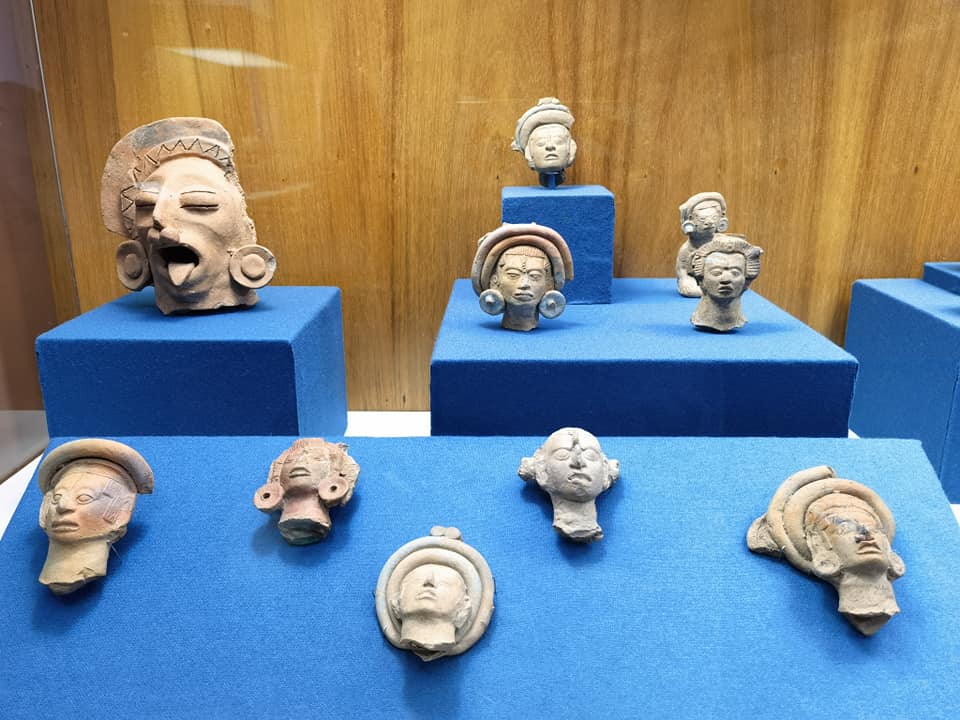
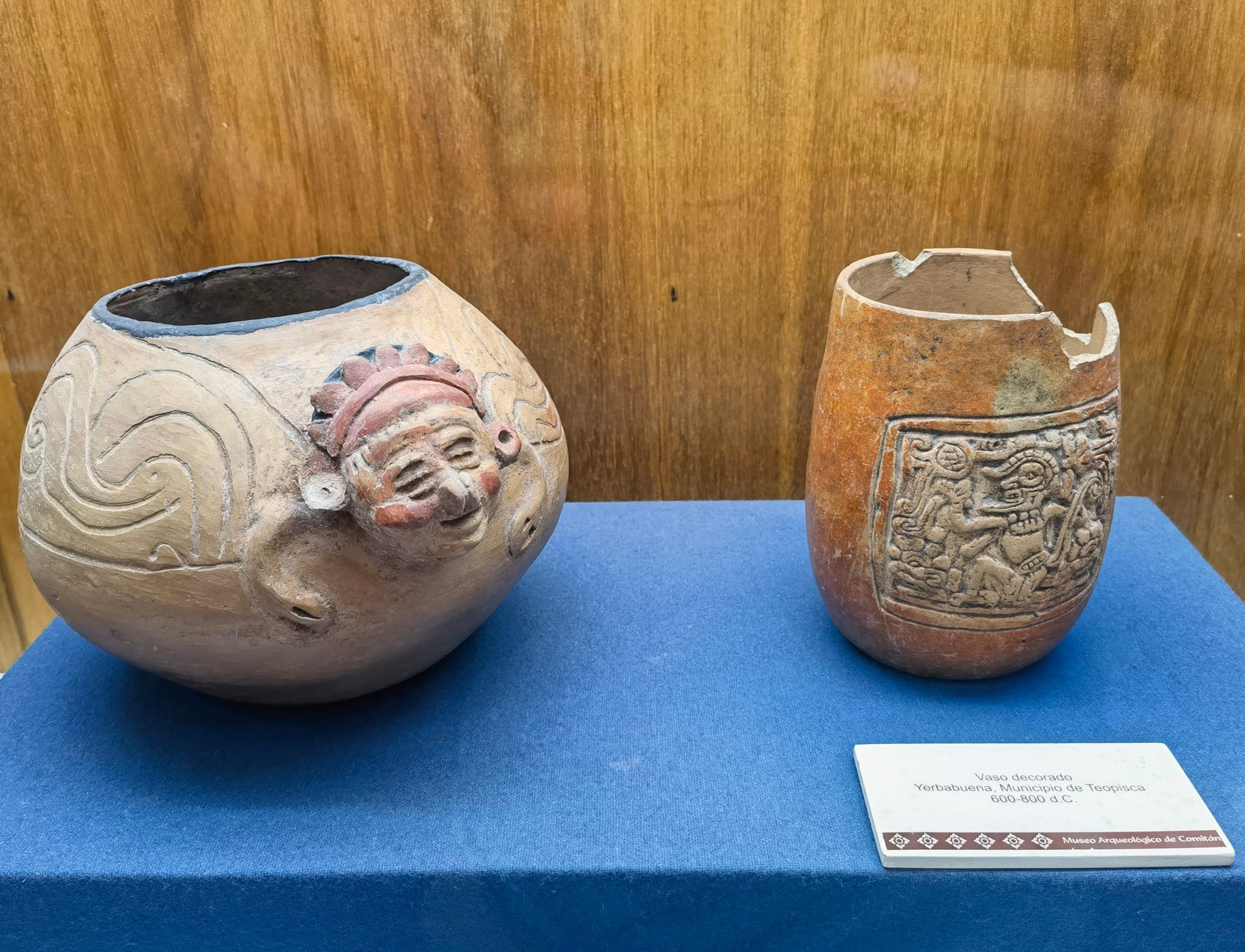
The museum has two permanent galleries and one temporary exhibition gallery. Its exhibits present a comprehensive cultural sequence ranging from the earliest hunter-gatherer groups, documented at sites such as Teopisca, Amatenango, and Aguacatenango (ca. 8000 BC), to the complex Maya societies of the Classic and Postclassic periods (AD 900–1520). The exhibits explore topics such as the beginnings of sedentary life, the development of pottery, the emergence of hierarchical societies, and the consolidation of trade routes controlled by city-states, including the prominent centers of Chinkultic and Tenam Puente.
This gallery presents the cultural evolution of the Eastern Highlands of Chiapas. It includes schematic representations of the region’s earliest human settlements, as well as sections dedicated to the Preclassic and Classic periods, highlighting the social, political, and technological developments of the Maya peoples.
Dedicated to archaeological discoveries from this important Maya site, the gallery displays a valuable collection of objects recovered during excavations conducted in the 1990s. Highlights include artifacts made of ceramic, stone, bone, shell, and alabaster, many of which were found in human burials or provide evidence of exchange networks with regions such as the Gulf Coast of Mexico and Soconusco.