Xcalumkín
One of the most remarkable examples of Puuc architecture and civilization, all set within the green hills and forests of Northern Campeche.
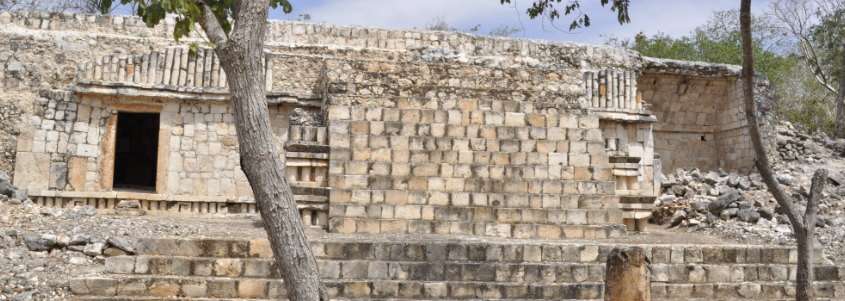
The Xcalumkín archaeological site still stands just outside of the modern town of Hecelchakán among the lush green hills and forests of northern Campeche. The site is an important one in the Puuc region which indicates also something of the architectural styles and characteristics you'll encounter here. The name, in the Maya language, translates to something good soil exposed to the sun." The name was given by modern explorers and archaeologists.
The Austrian explorer, Teoberto Maler, was one of the first to publish a description of the site. It is thought to have reached a peak between rouhgly 700 and 900 CE, but especially between 728 and 761 when the highest construction activities are believed to have taken place. The site does not contain great monumental works, but according to the National Institute of Anthropology and History (INAH), the people here must have received more than enough of the corn, beans, cotton, honey and beeswax that they worked at harvesting. This allowed them to trade for salt, dried fish, shells, snails, and dye woods from the coast some 50 km away. They also traded for cinnabar, jadeite, basalt, and obsidian from even further. The INAH also operates a small visitor center here.
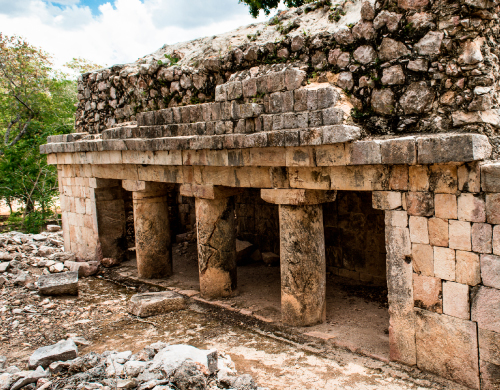
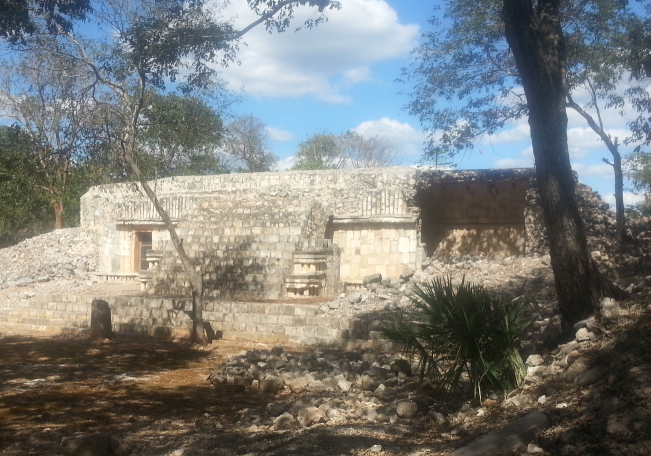
People visit today to see the remarkable Palace of the Cylinders with some ten rooms, and its famous facade. A wide cantilevered staircase still supports an archway that provides access to five interior chambers. Inside, a sculpture called the Stone Woman starts to give just an idea of the place's depth and cultural importance.
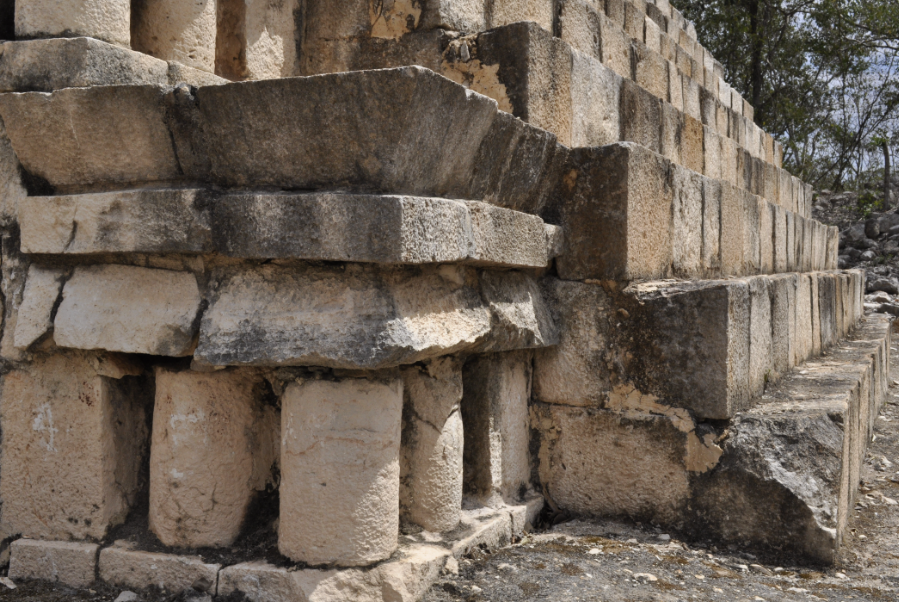
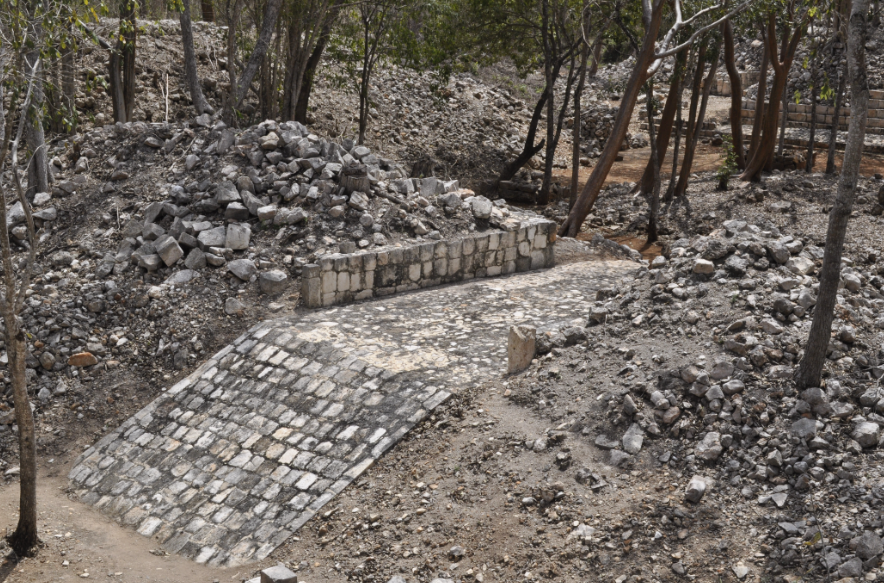
The site is a treasure trove of hidden, weathered and remarkable stone monuments and structures. And it is one of many within a landscape of other similar sites, all of them in varying stages of excavation.
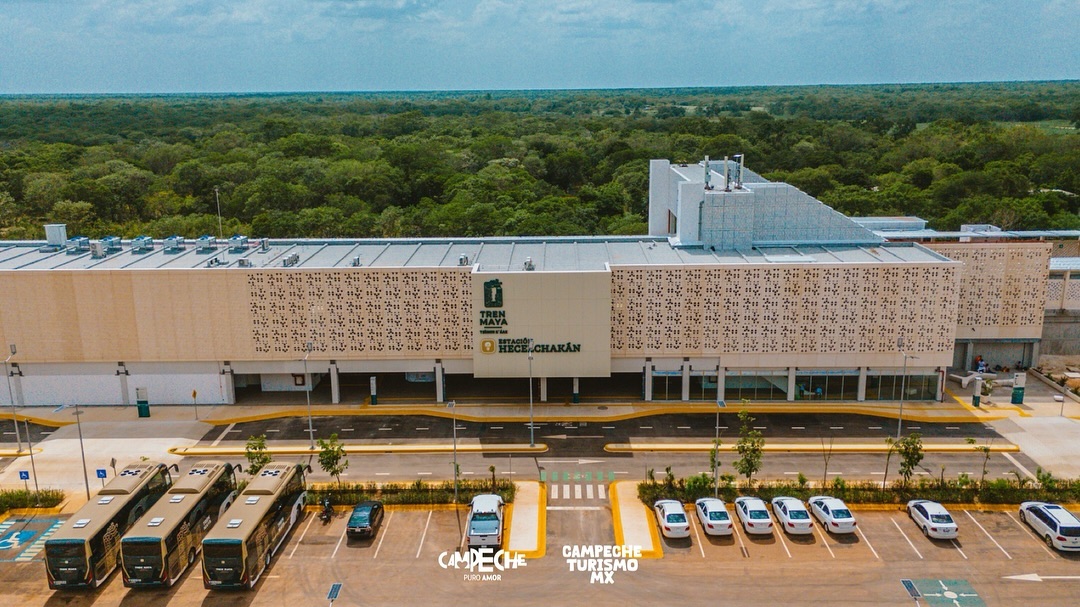
The Xcalumkín site is roughly 20 minutes outside of Hecelchakán and the Maya Tren station there. Visitor groups also arrive from more distant Campeche City, but for the really dedicated visitor, a night or two in Hecelchakán is a must. One gets an incredible insight from a night on the Maya landscape in Campeche.
Hours: Tuesday through Sunday, 8 a.m. to 5 p.m. Admission is free.








-(1)-(1).png)