Izapa Archaeological Site
Where history comes alive among volcanoes and stelae
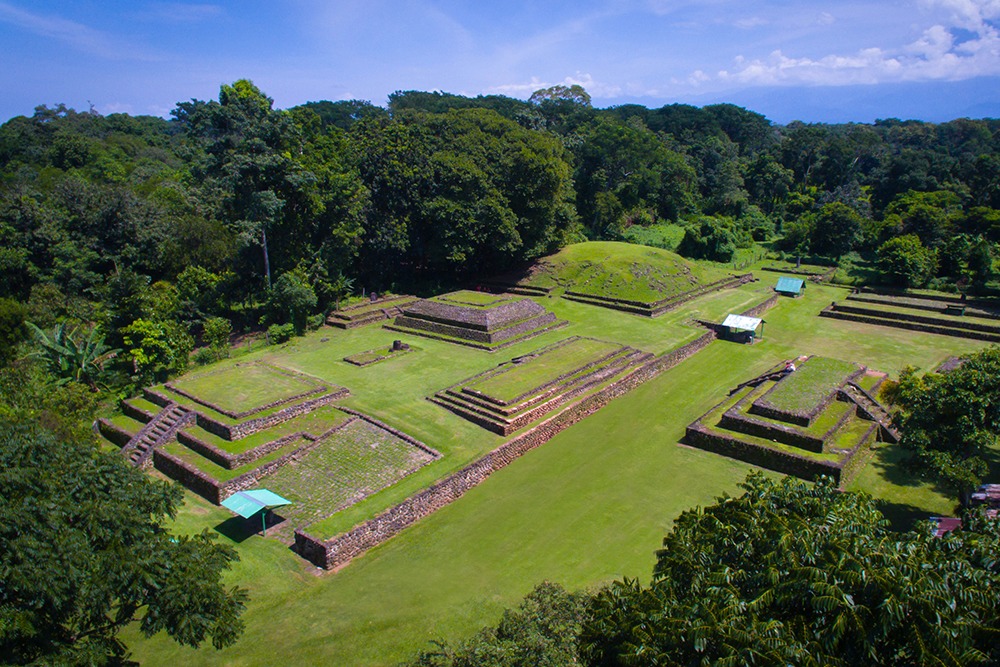
Just 11 km from Tapachula, Chiapas, in the very heart of the Soconusco region, lies one of Mesoamerica’s best-kept secrets: Izapa. This fascinating archaeological site is far more than grassy earthen mounds—it is an ancient city filled with mystery, art, and ancestral wisdom.
Izapa was one of the great Mesoamerican cities of the Preclassic period (more than 2,500 years ago), founded by peoples of Mixe-Zoque origin. Its inhabitants were not only skilled builders, but also master planners. This is evident in its more than 150 structures, which are precisely aligned with the imposing Tacaná Volcano, creating an urban design that is both accurate and awe-inspiring.
The tropical climate, fertile soil, and abundant moisture made Izapa a true agricultural paradise—a green city surrounded by crops, where every space served a purpose.
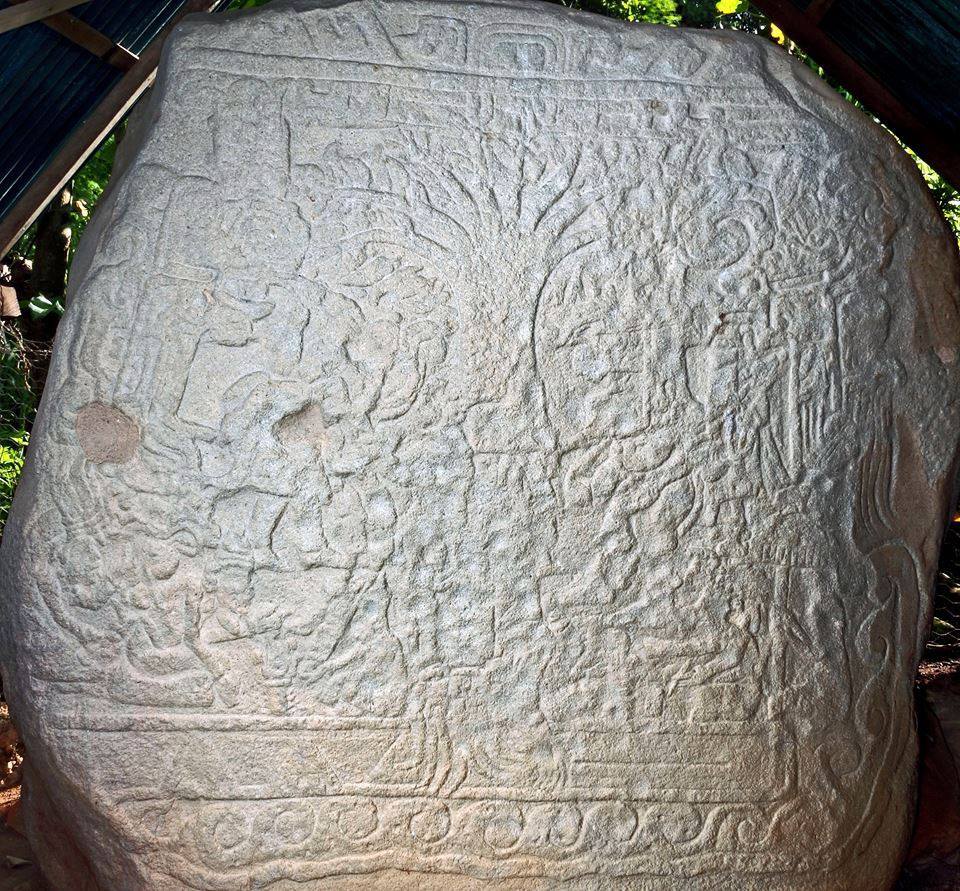
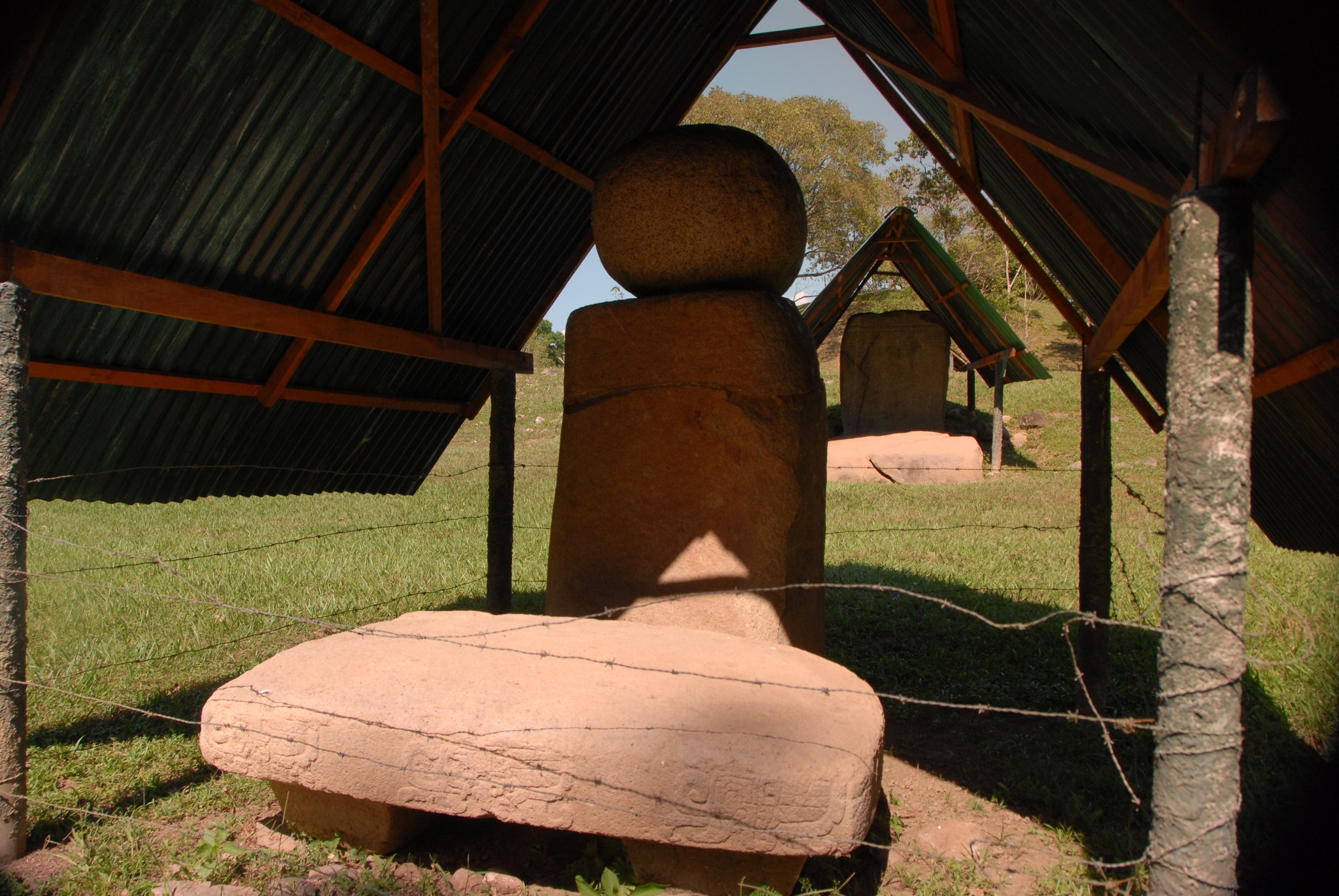
Izapa is especially renowned for its stelae, one of the most fascinating elements of the site and key to understanding the art, religion, and worldview of its ancient inhabitants. Around 250 stelae have been identified, although only about a quarter are currently on display to the public. Carved from volcanic stone—often irregular in shape—the reliefs creatively adapt to the natural contours of each rock.
The carved scenes are rich in symbolism, featuring supernatural beings, mythical animals, and human figures. Many depict rituals, offerings, and deities, while others appear to reference agricultural cycles and astronomical events. Particularly notable is the Tree of Life stela.
Among the most significant stelae are:
Stela 5 (also known as the Tree of Life): one of the most complex and widely interpreted monuments, filled with characters, natural elements, and symbols that have inspired numerous theories.
Stela 2: depicts what appears to be a sacrificial ceremony or offering.
Stela 25: one of the most detailed, possibly representing the Twin Hero myth, a recurring theme in the Maya Popol Vuh.
Izapa also stands out for its monumental sculpture in the round, adding yet another layer of artistic and cultural richness to this extraordinary site.








-(1)-(1).png)