Ixtenco
A magnificent little Otomi town on the plains to the east of the great and towering volcano, it's a trip into some of the best of Tlaxcala, with an eye as much on the distant past as on the never quite reachable horizon.
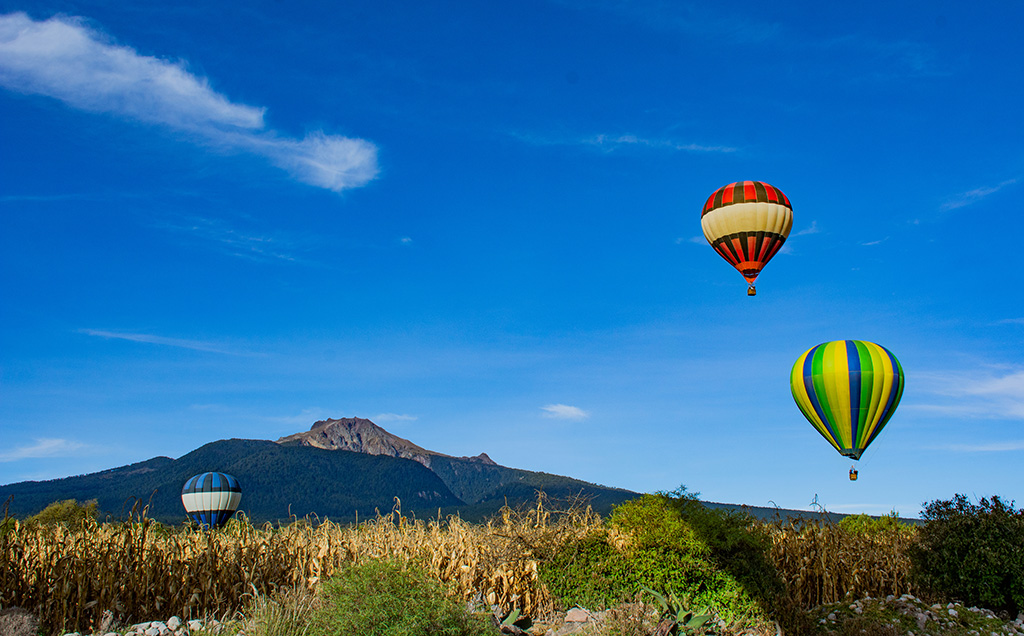
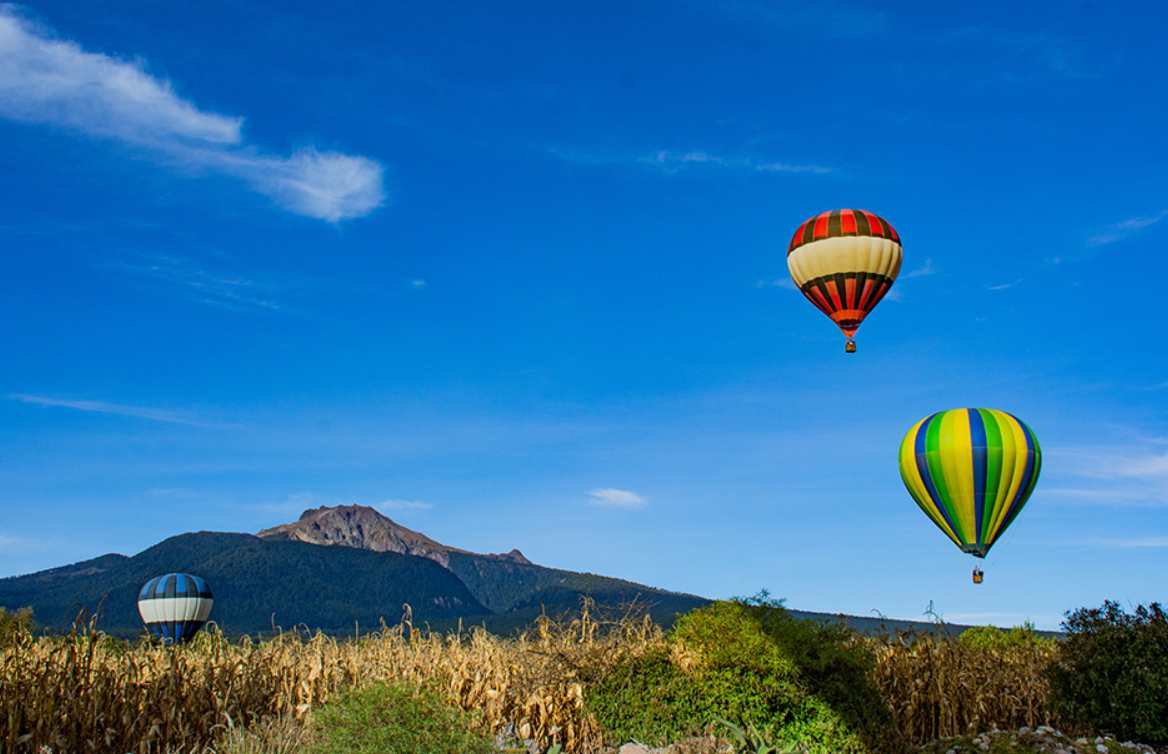
Ixtenco is a magnificent little town in eastern Tlaxcala. Often considered the classic Otomí town with a Náhuatl name, it's the center of a strong local Otomi culture. The striking Malintze volcano is just west of the town, but is often so shrouded in mist and history that it's not always visible and somehow that seems to lend an air of mystery to the entire landscape.
When the Spanish arrived in the 1520s, Nahua people from central Tlaxcala arrived here and their name for the place survived. Most of the 7,500 people of the town still identify as Otomí, and some still speak the language. Otomí is also spoken to the north in nearby (and better-known) Huamantla, further north, although it can be heard in other parts of Tlaxcala and across the border to the east in Puebla. The modern town we see today was founded in 1532. It grew into a center for trade for the surrounding haciendas, San Antonio Cuamanala and San Cristóbal Jalapasco, and for the ranches of San Miguel and Ixtenco.
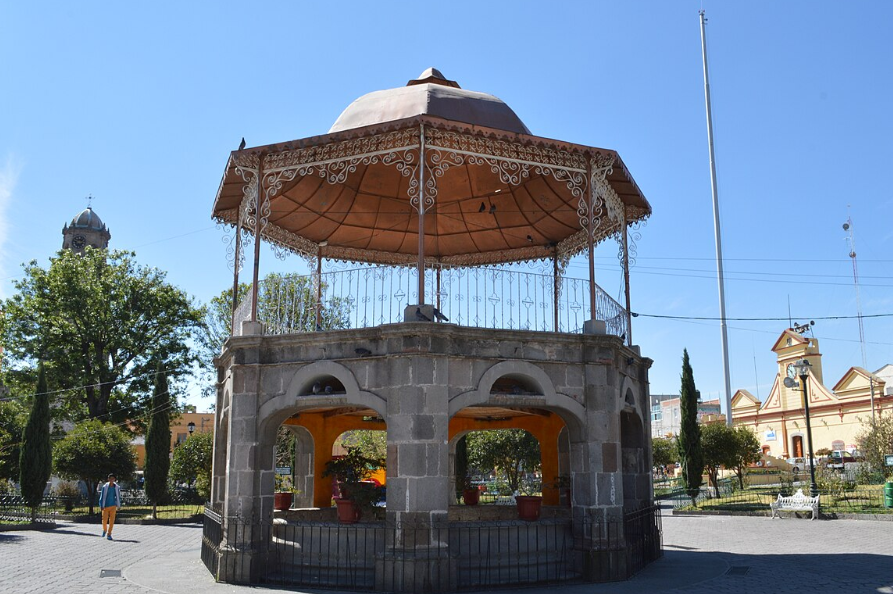
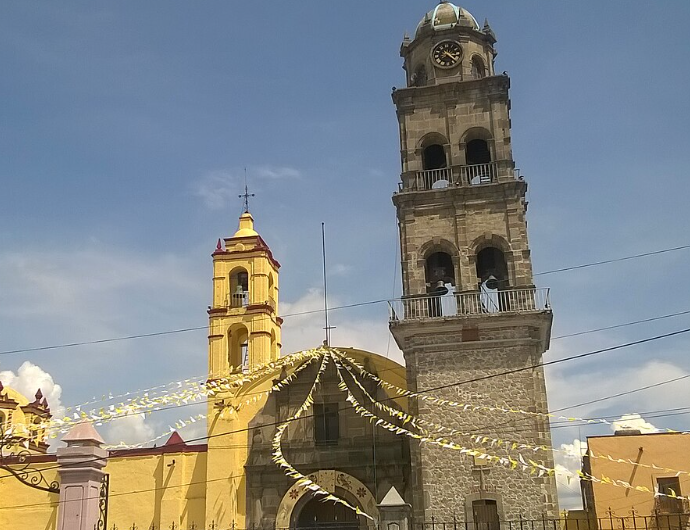
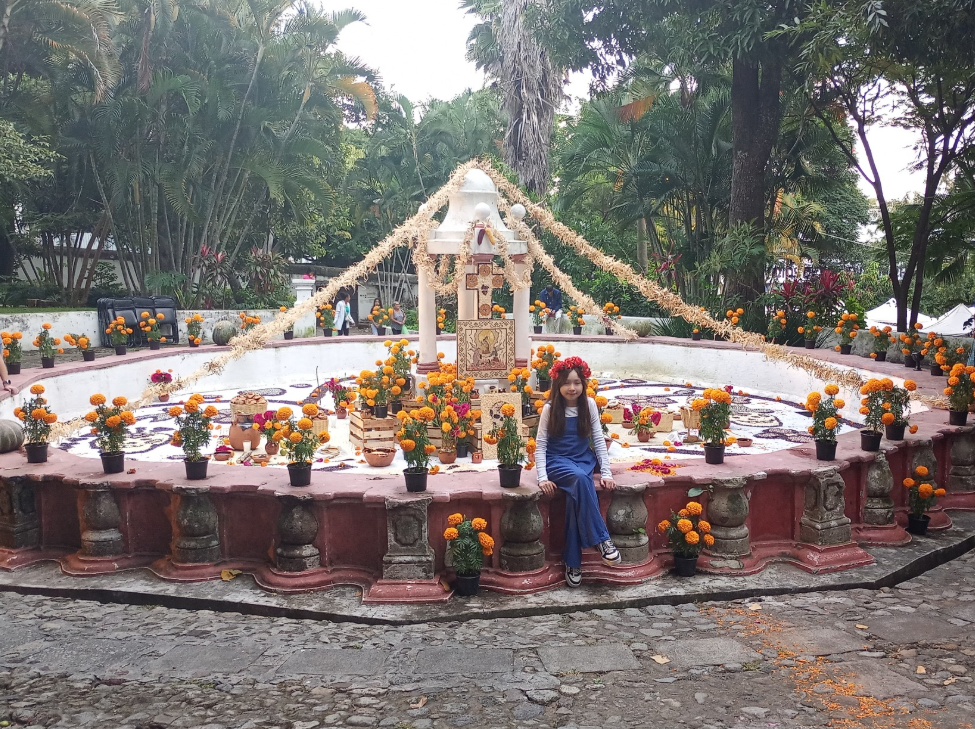
Ixtenco is perhaps most famous for the sawdust and flower carpets used to cover some 3.5 kilometers of central streets every June 23rd. This is the feast of Saint John the Baptist to whom the main church in town is dedicated. The town no longer gets called San Juan Bautista Ixtenco like in the past, but that is just one indicator of the area's long and rich history. The church itself was constructed beginning in 1555. The Chapel of the Virgin of Guadalupe followed soon after and the two both still dominate the central town square. The community is well documented and presented in the regional museum and Casa de Cultura Yumhu here, also.
Local artisans are known for the local stonework and exquisite embroidery is widely available too. Visitors are likely to see residents dressed in traditional conservative attire, especially during Carnival or the festivals during late June which remain the most important all year. A wide variety of lodgings and vacation rentals also make it a fine place to stay for a night or for the long weekend.
Many travelers visit Ixtenco along with Huamantla. Ixtenco, being smaller, is also turning into a first stop for adventure trips into the surrounding outdoors. Climbing Cerro de Xalapasco rewards you with stunning views of the valley and surrounding volcanoes. The trip from Huamantla takes about 20 minutes, and coming from Puebla takes about 45 minutes. Most buses departing from CAPU (in Puebla) only go as far as La Venta, south of Zitlaltépec. From there, a taxi or shared van takes just ten more minutes. Even from the road, the landscapes you’ll see along the way are magnificent.








-(1)-(1).png)