







-(1)-(1).png)


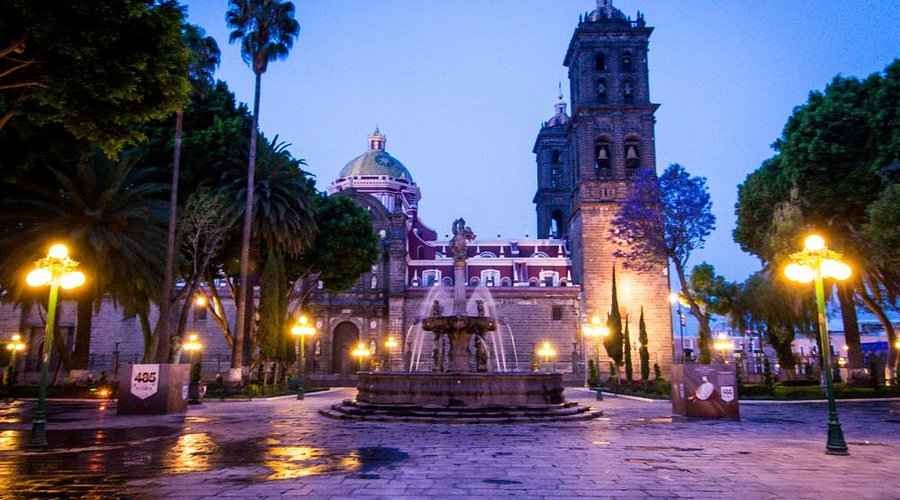
Zócalo de Puebla
The heart of Puebla. History, culture, and local life all in one place.
The heart of Puebla. History, culture, and local life all in one place.
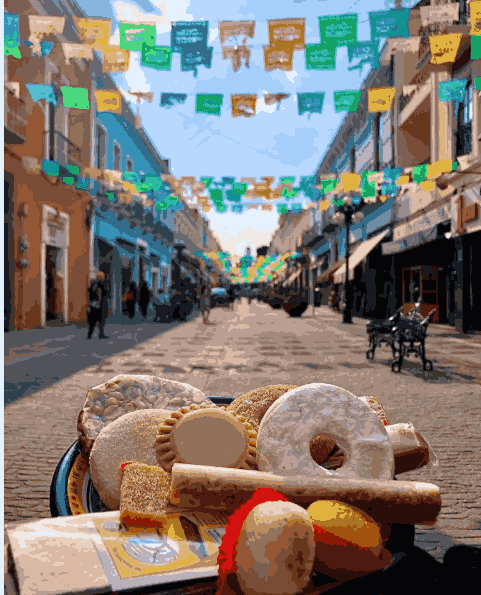
The paradise of Puebla sweets. Tradition and flavor in every display window.
_gmxdot_jpg)
The breathtaking and wild natural sanctuary of the northern sierra, where twin, thunderous waterfalls plunge over a hundred feet down sheer rock walls into emerald-green pools, all wrapped in a dense, misty pine-and-oak forest rich in eco-adventures.
_gmxdot_jpg)
The thrilling and breathtaking glass viewpoint of Tetela de Ocampo, suspended high above a lush mountain canyon where a dramatic structural platform offers an adrenaline-pumping, panoramic look over cascading waterfalls and misty forest horizons.
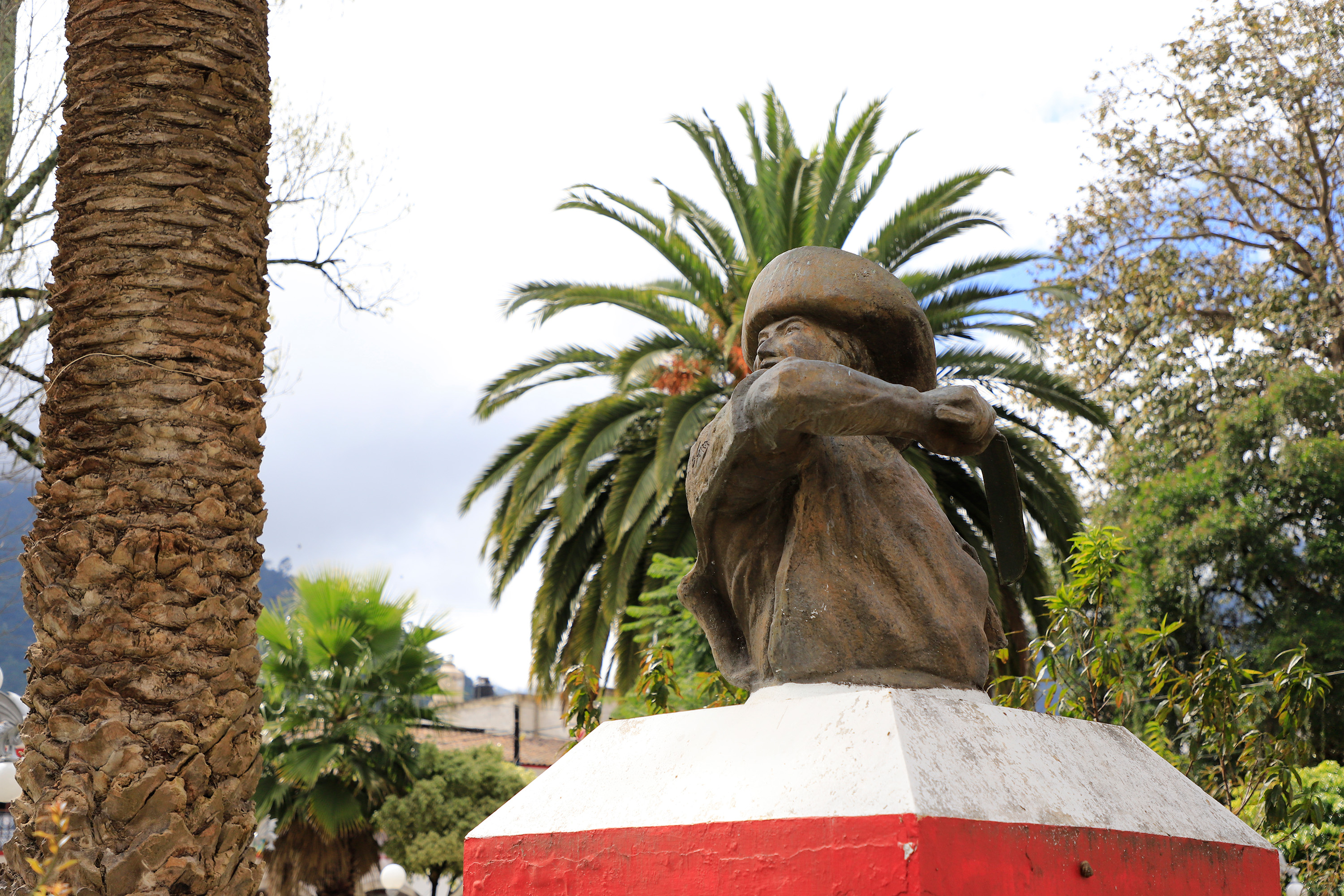
The enchanting and misty mountain refuge of the northern sierra, where steep cobblestone streets, traditional red-tiled roofs, and elegant 19th-century balconies converge around a peaceful, tree-lined plaza framed by majestic green peaks and proud patriotic heritage.
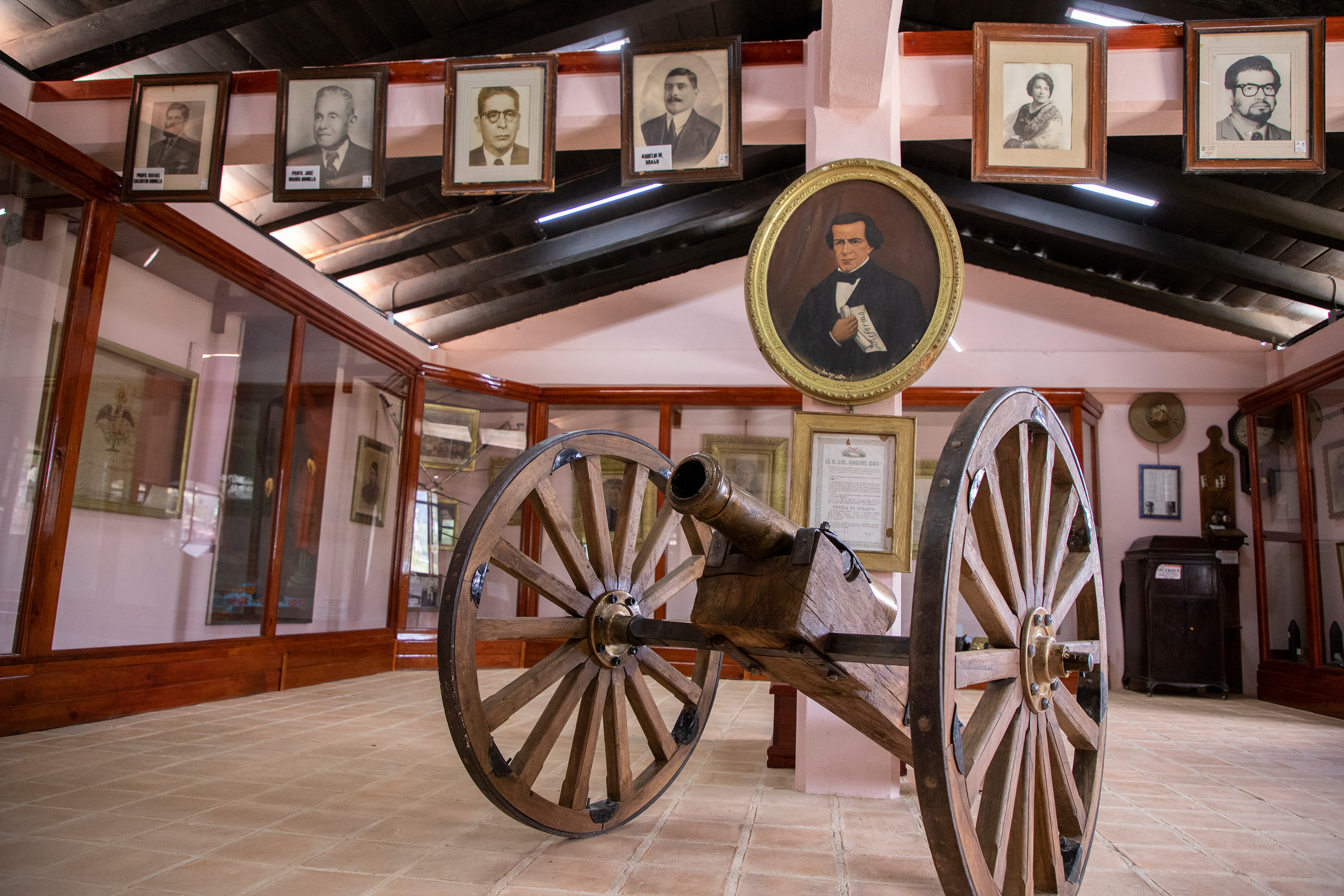
The captivating and historically charged hilltop museum of Tetela de Ocampo, housed within an authentic 19th-century military barracks to honor the three legendary liberal generals—Juan N. Méndez, Juan Crisóstomo Bonilla, and Juan Francisco Lucas—who fiercely defended Mexico’s sovereignty.

The raw and thrilling subterranean labyrinth hidden deep within the northern mountains of Puebla, where an icy, crystal-clear underground river known as "sounding water" cuts through low, pristine white limestone chambers filled with untamed stalactites and mystical hidden pools.
_gmxdot_jpg)
The monumentally scaled and awe-inspiring 16th-century fortress-monastery of Huejotzingo, boasting an imposing gothic-plateresque stone facade, exquisite courtyard corner chapels, and a pristine, soaring gold-leaf altarpiece that stands as a supreme treasure of early colonial architecture.
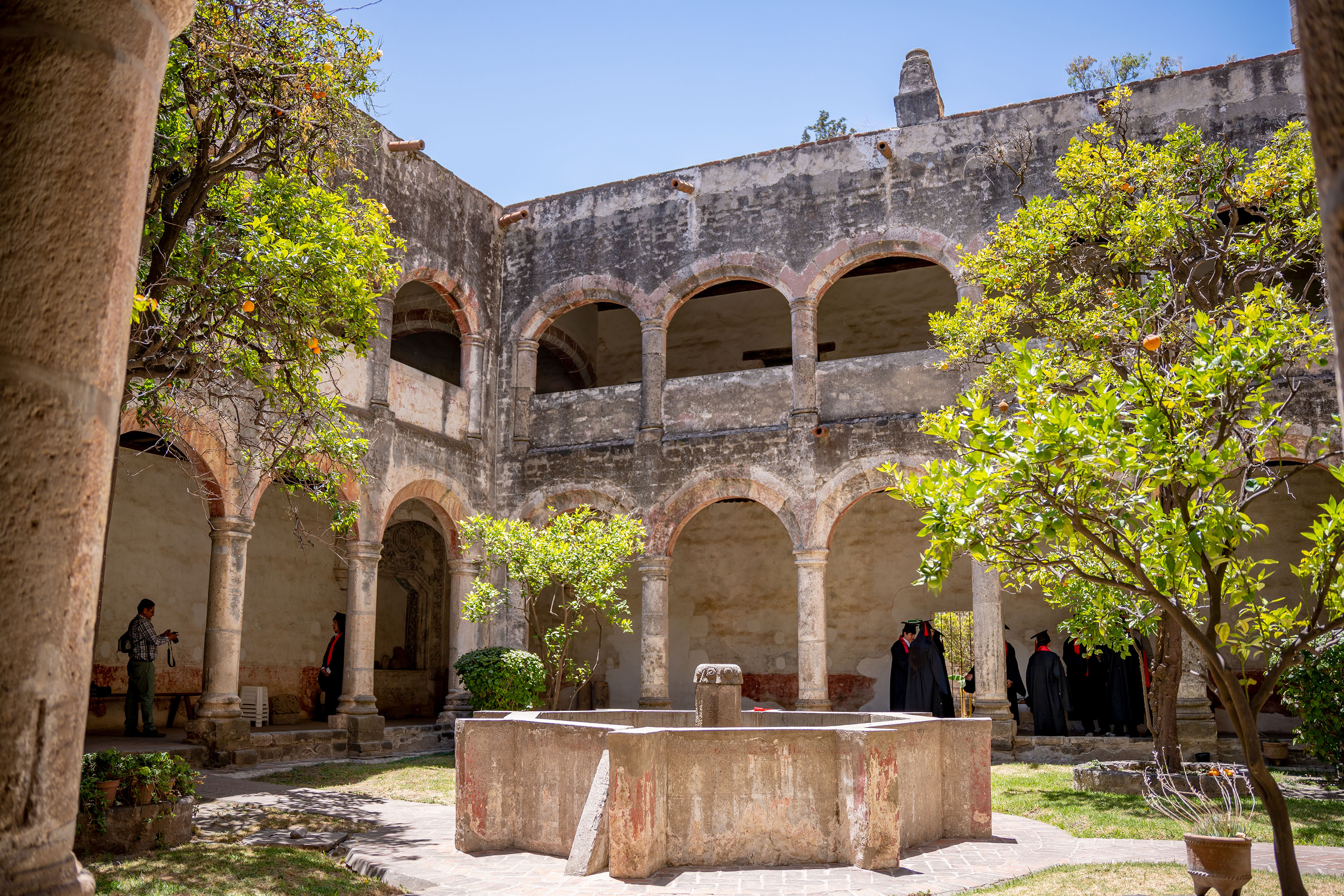
The serene and historically profound museum sanctuary housed inside the majestic 16th-century Franciscan convent of Huejotzingo, displaying invaluable sacred art, rare colonial codices, and original architectural relics that tell the story of the early spiritual and cultural encounter in Puebla.