Handblown Glassware from Jalisco
On your next getaway to Tonalá or Tlaquepaque, discover the beautiful handblown glass pieces crafted in these municipalities from Jalisco. Here’s a closer look at this traditional art form.
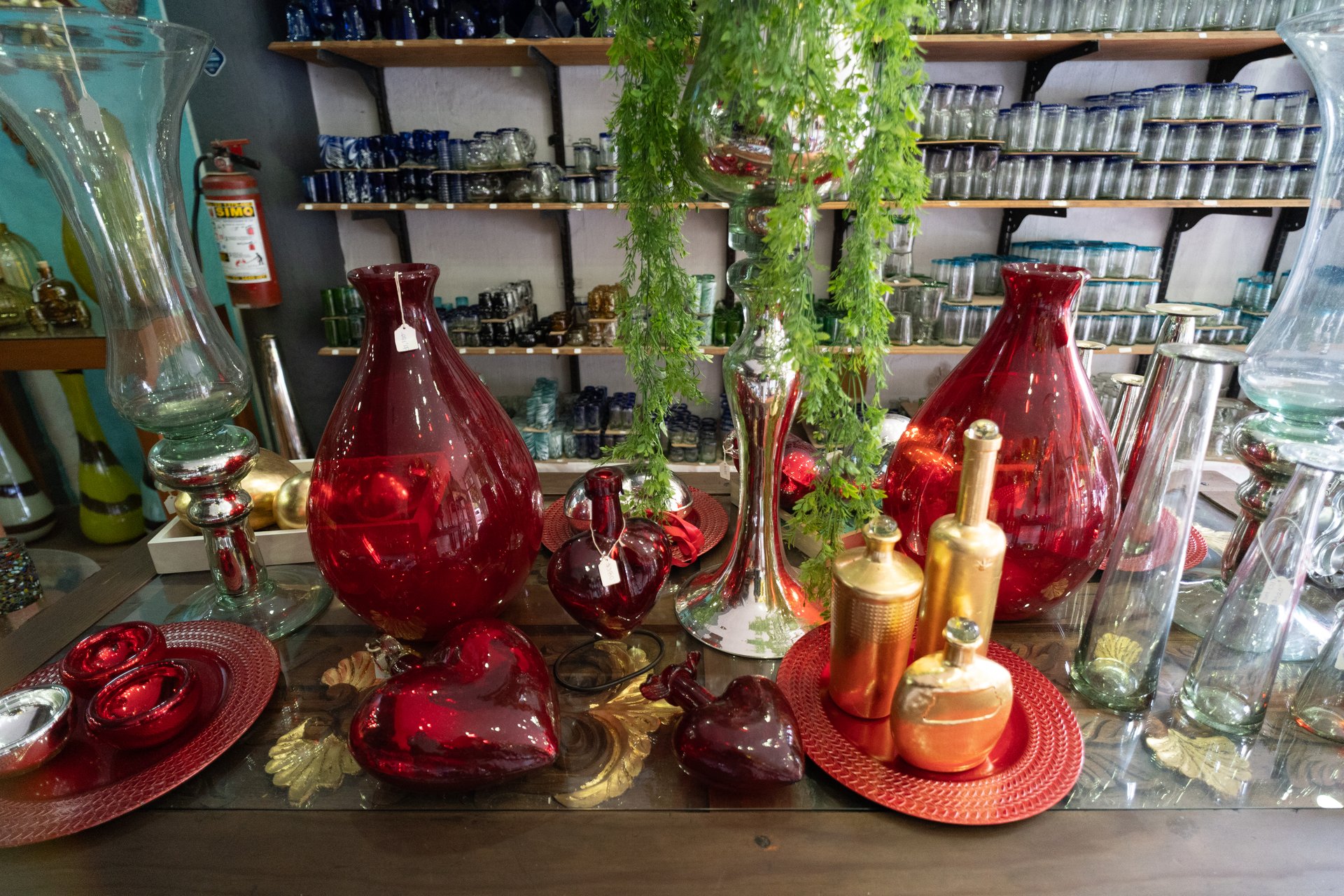
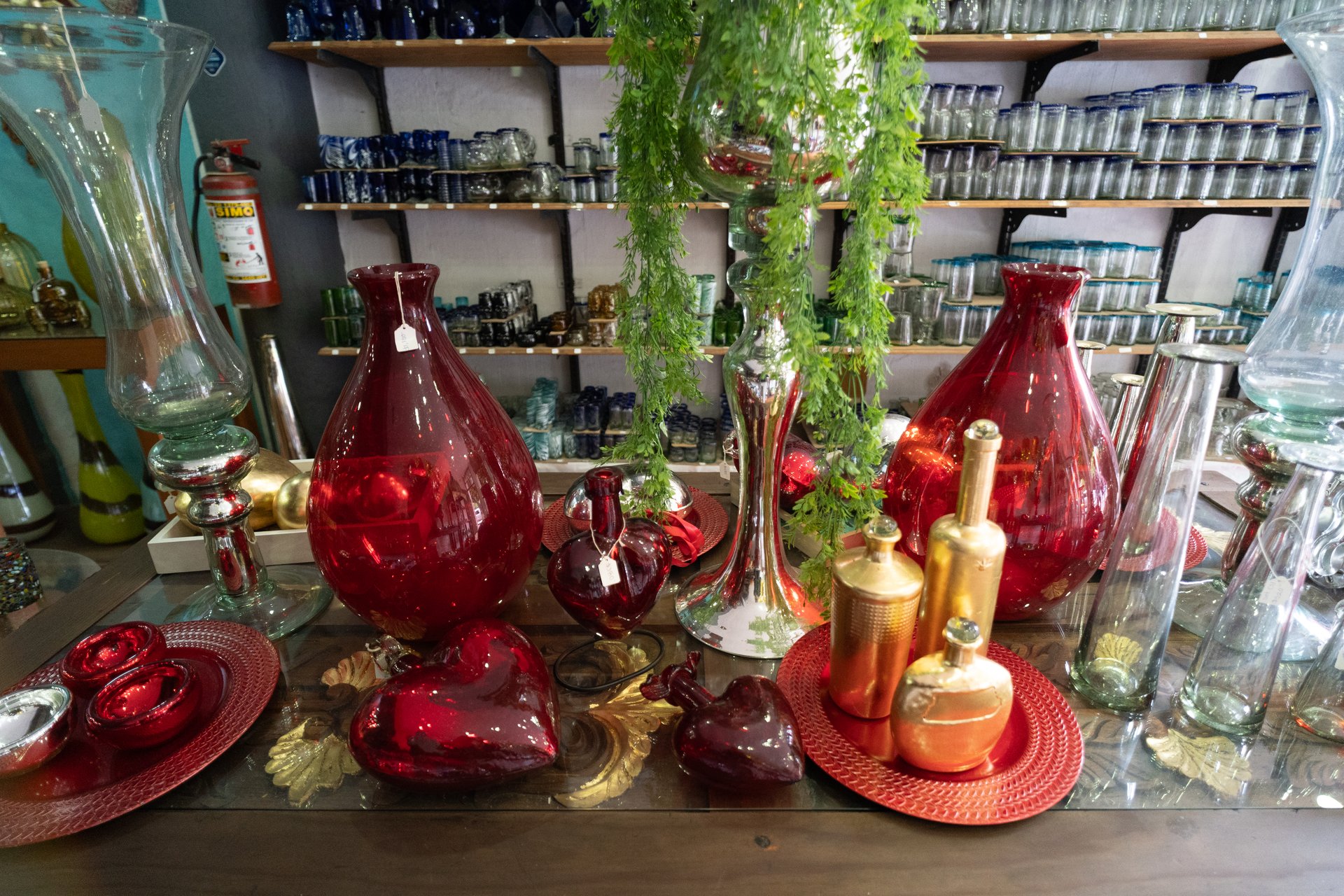
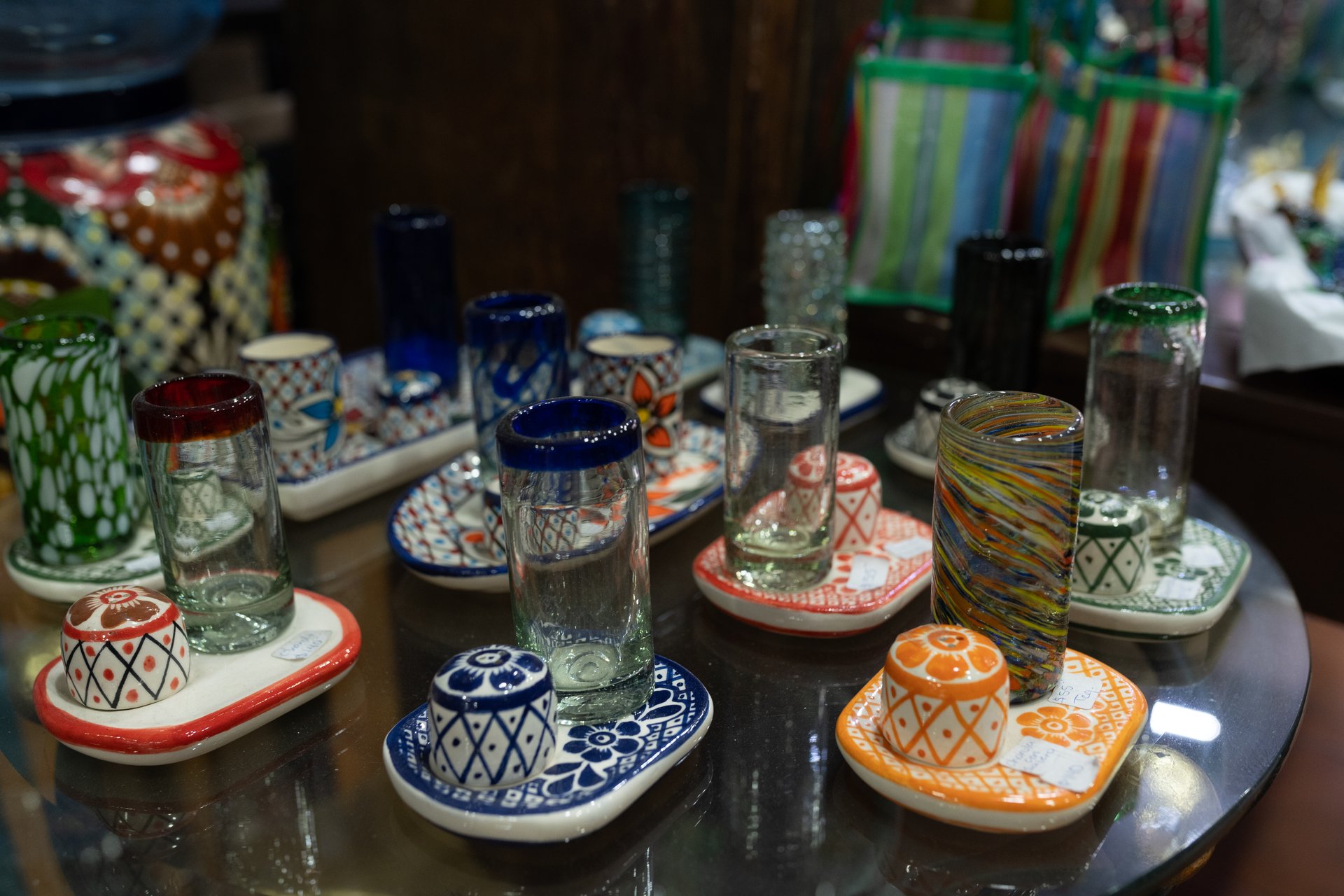
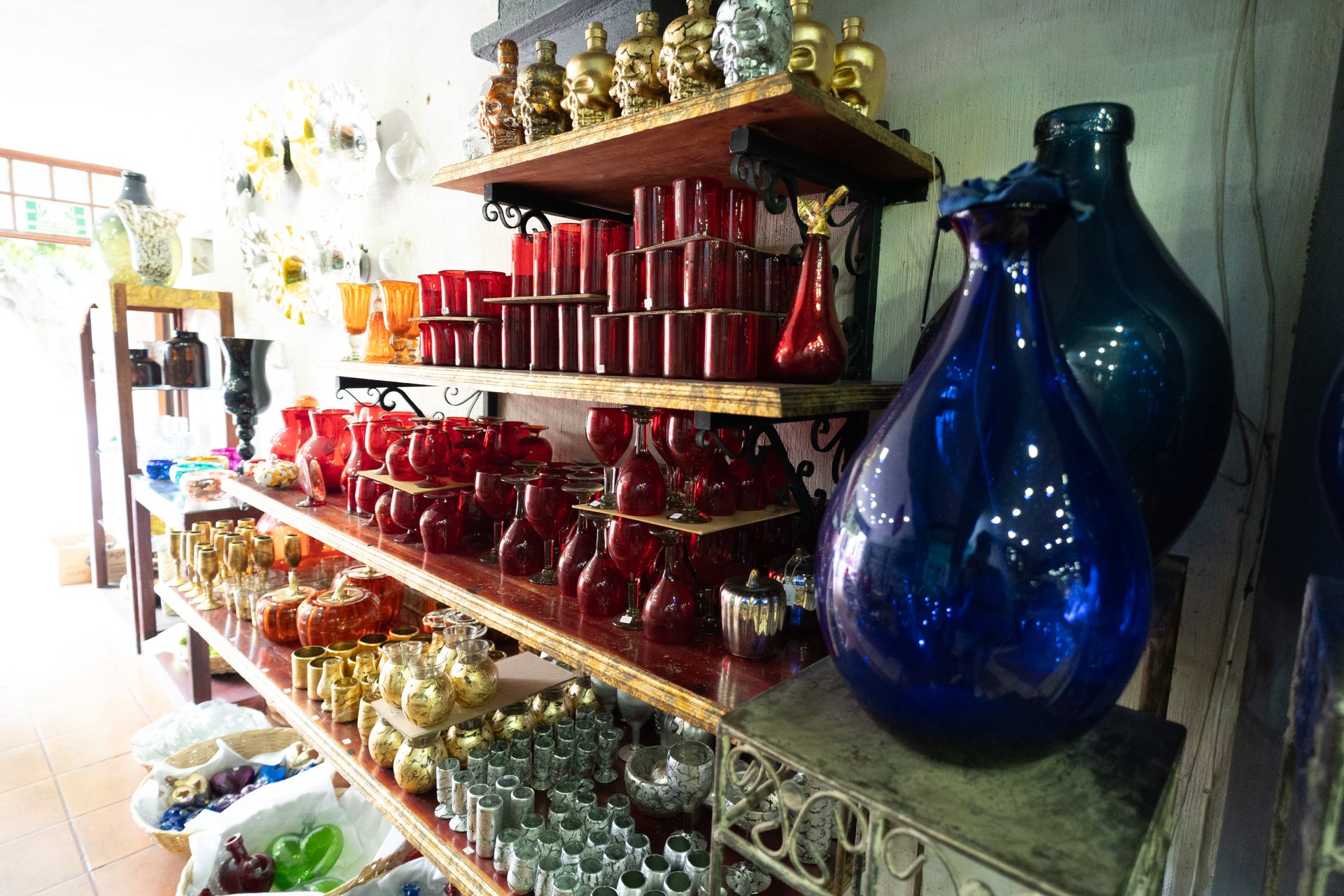
Beyond its gastronomy, landscapes, attractions, music, and architecture, Jalisco is also internationally recognized for its craftsmanship. Among its most distinctive creations are the colorful handblown glass pieces typical of Tonalá and Tlaquepaque. A Brief History of Handblown Glass According to Brenda del Toro, who has spent roughly 30 years involved in the promotion and sale of handblown glass at Del Toro Krystal, this technique dates back to the Phoenicians around 800 B.C. and later it was adopted by the Romans, who helped spread it throughout Europe. The technique arrived in Mexico with the Spanish during the colonial period, and in 1520 the first handblown glass factory was established in the city of Puebla. In Jalisco, it wasn’t until the late 19th century that the first factory dedicated to this craft was built in the Analco area of Guadalajara. The creation of this glass factory—owned by the Ávalos family— was a school for several families whom later established their blown glass workshops, mainly in Tonalá and Tlaquepaque, Jalisco. According to del Toro, there are currently around 30 handblown glass factories in Jalisco. Mexico’s Handblown Glass Unlike handblown glass produced in many other parts of the world—particularly Europe—where silica sand is used to make a completely natural glass, Mexican glassware is distinguished by its use of recycled glass. This means discarded glass pieces such as bottles or jars collected from dumps or recycling centers are melted down and repurposed. Today’s glassblowing technique is very similar to that used in ancient times. The essential tools remain the blowpipe and the tongs used to manipulate the molten glass until it takes shape. The glass is melted in furnaces that reach temperatures of up to 1,200°C (2,192°F). Another hallmark of Jalisco’s and Mexico’s handblown glass is the wide variety of shapes artisans create, including glasses, goblets, vases, pitchers, ashtrays, containers, and figurines such as hearts, hummingbirds, and flowers. These pieces come in colors like cobalt, aquamarine, amber, amethyst, green, red, orange, yellow, and multicolored designs. Crafting a single handblown glass piece requires a team of 8 to 10 people, including glass gatherers, blowers, and the master artisan. The next time you visit Tonalá or Tlaquepaque, take home one of these valuable creations. At Del Toro Krystal (Instagram: @deltorokrystal), they have been dedicated to handblown glasswork for over 30 years. Visit their shop in Tlaquepaque, where you’ll find a wide variety of handblown glass crafts.
An integral part of any visit to Guadalajara, this little town seems to make celebration into a regular way of life, with something always, always going on, in the streets, gardens, parks, museums and churches.








-(1)-(1).png)