484 Years of Guadalajara: Celebrate the City in Its Most Traditional Neighborhoods
484 Years of Guadalajara: Celebrate the City in Its Most Traditional Neighborhoods
Guadalajara marks 484 years of history, reflected in the neighborhoods that shaped the Perla Tapatía. Walking through them is a way to discover the origins, culture, daily life, and identity of the capital of Mexico’s most Mexican state.
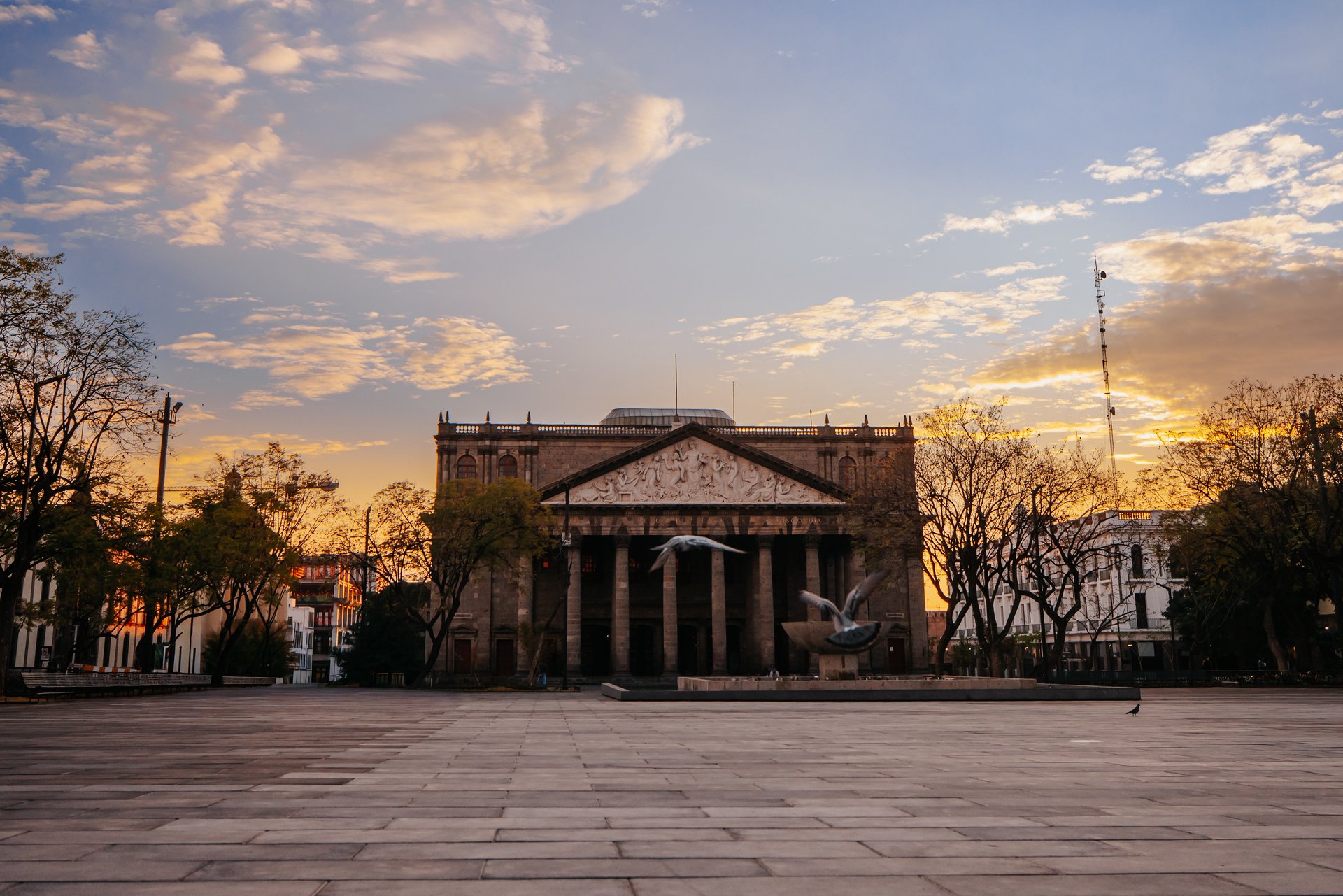
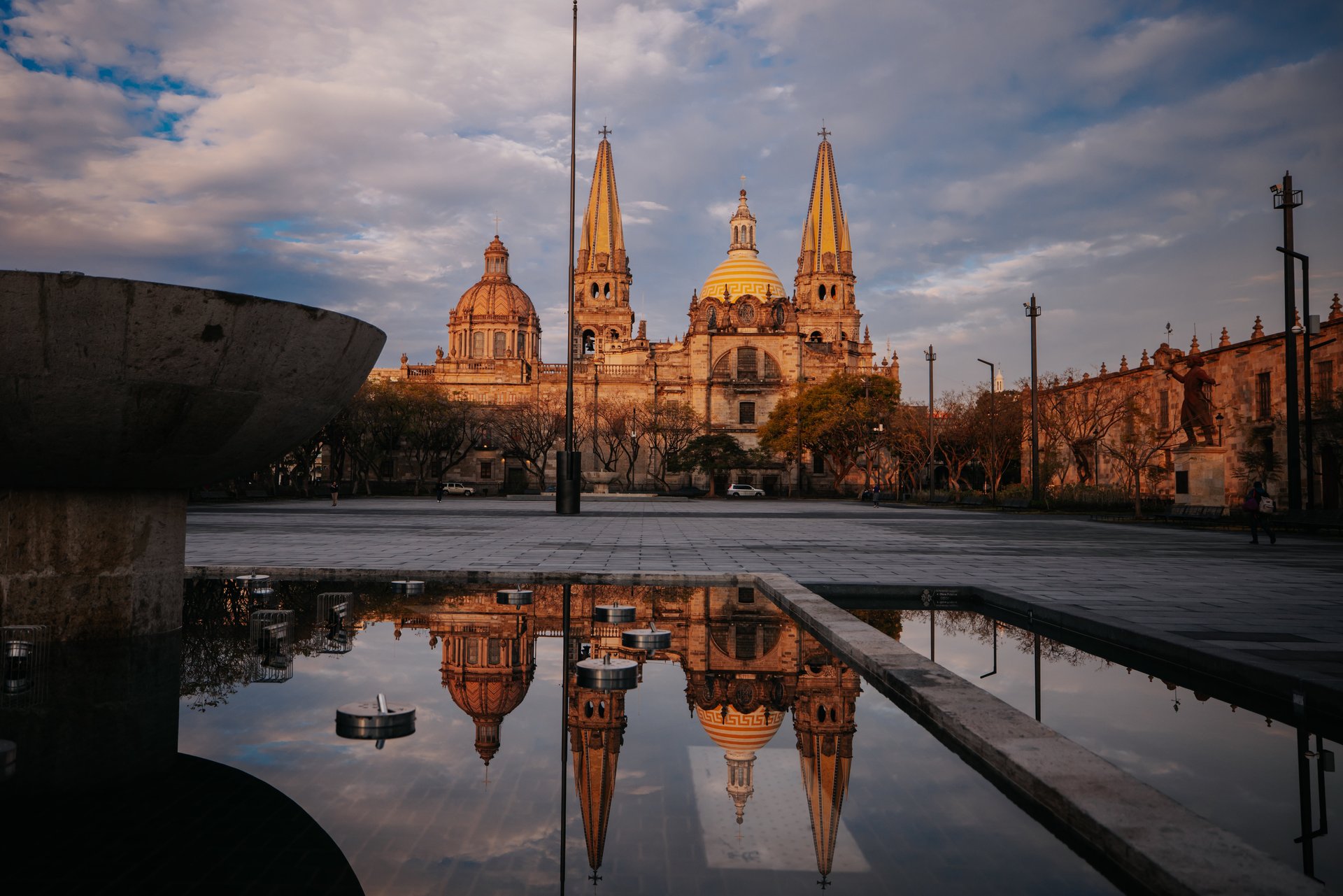
Founded on February 14, 1542, in the Atemajac Valley, Guadalajara has expanded and evolved from its oldest and most traditional neighborhoods. These areas were once important religious, commercial, artisanal, and Indigenous population centers—some of them existing even before the arrival of the Spanish. Today, Guadalajara’s most traditional neighborhoods represent the city at its most authentic. Through striking architecture, they bring together historic sites, traditional markets, temples, public squares, and living traditions that transport visitors to the very core of Tapatío identity. Oldest and Most Traditional Neighborhoods of Guadalajara Centro Born alongside Guadalajara itself, this is where the colonial layout of the city—still preserved today—was first established. It is home to the historic heart and the area with the highest concentration of tourism in the Perla Tapatía. Its main attractions include the Metropolitan Cathedral, the Government Palace, the Degollado Theater, and the Cruz de Plazas, a modern complex built in the city’s historic center between 1947 and 1959. Its name comes from the fact that Plaza de Armas, Plaza Guadalajara, Plaza de la Liberación, and the Rotonda of Illustrious Jaliscienses together form a Latin cross. Analco Considered the oldest neighborhood in the city, Analco was once an Indigenous settlement prior to Spanish foundation. Its name means “on the other side of the river.” The area is home to two of the city’s earliest temples: San José and San Sebastián de Analco. It is also where Arena Coliseo is located, one of Mexico’s most iconic venues for enjoying lucha libre. San Juan de Dios A historic neighborhood closely linked to the former San Juan de Dios River and to the city’s commercial development. Notable landmarks include Mercado Libertad (also known as San Juan de Dios Market), one of the city’s icons of modern architecture; Plaza de los Mariachis; and the Cabañas Museum, a UNESCO World Heritage Site and a major cultural reference in Guadalajara, which houses the most representative works of Jalisco-born muralist José Clemente Orozco. El Santuario A neighborhood that grew around the Sanctuary of Our Lady of Guadalupe, from which it takes its name and which is one of the city’s most emblematic temples. It is recognized for its religious architecture and for Paseo Fray Antonio Alcalde, named after a key figure in Guadalajara’s history and the development of this area. Important sites here include the Civil Hospital, the Belén Cemetery, and Mercado Alcalde. Another highlight is its rich gastronomy, including buñuelos sold outside the Sanctuary, Santuario-style tortas, traditional bread, and a wide variety of antojitos offered in its cenadurías. Mexicaltzingo Originally an Indigenous town that was gradually incorporated into Guadalajara. Its main attractions include Jardín Mexicaltzingo, its market, the Parish of San Juan Bautista, and Las 9 Esquinas. The area is also famous for its food scene, hosting some of the city’s favorite tortas ahogadas, such as those from El Príncipe Heredero, as well as birria spots, traditional nieve de garrafa, and places to end the day like the iconic Morelias Bar. Mezquitán This neighborhood stands out for the Temple of San Miguel de Mezquitán, the Mezquitán Cemetery, the Flower Market, and its historical value as one of the city’s oldest neighborhoods. Along with Mexicaltzingo and Analco, Mezquitán was also an Indigenous settlement. Capilla de Jesús Although its history is more recent—founded after Mexico’s Independence—it is another neighborhood that fills Guadalajara with life and color. At Mercado IV Centenario you’ll find one of the city’s most refreshing tejuinos, Tejuino Marcelino, as well as the restaurant Yunaites, where you can sample cuisine from different towns across Jalisco. The area also features cenadurías, traditional bakeries, and the Parish of the Sweet Name of Jesus. Santa Tere Its origins date back to the late 19th and early 20th centuries. Santa Tere is a traditional neighborhood with a strong cultural and commercial identity. Along its streets you’ll find everything from tostadas raspadas and birote salado to cafés, restaurants serving traditional dishes, the Santa Tere Market—one of the city’s most famous—and the Temple of Saint Teresa of Jesus. Every Sunday, a tianguis is set up along the main streets, selling everything from antojitos and clothing to plants, perfumes, and more. Facts About Guadalajara Year founded: February 14, 1542 Current population of Guadalajara: approximately 1.38 million inhabitants Guadalajara Metropolitan Area: around 5.6 million inhabitants What are people from Guadalajara called? Tapatíos, a word that comes from the Nahuatl tapatiotl, meaning “worth three.” The term originally referred to a unit of exchange used in pre-Hispanic and colonial trade, which over time became popular and began to be associated with the inhabitants of this region. Thus, tapatío came to refer to a person of great value. It was not until the 19th century that the word tapatío was officially accepted by the government as the demonym for the people of this city. On its 484th anniversary, Guadalajara invites national and international travelers to walk its streets, markets, and temples to discover the origins of Tapatío culture through its most emblematic neighborhoods.

One of the great jewels of 19th-century architecture, with the work of Jalisco muralist José Clemente Orozco.








-(1)-(1).png)