A Festival of Faith, Dance, and Living Heritage
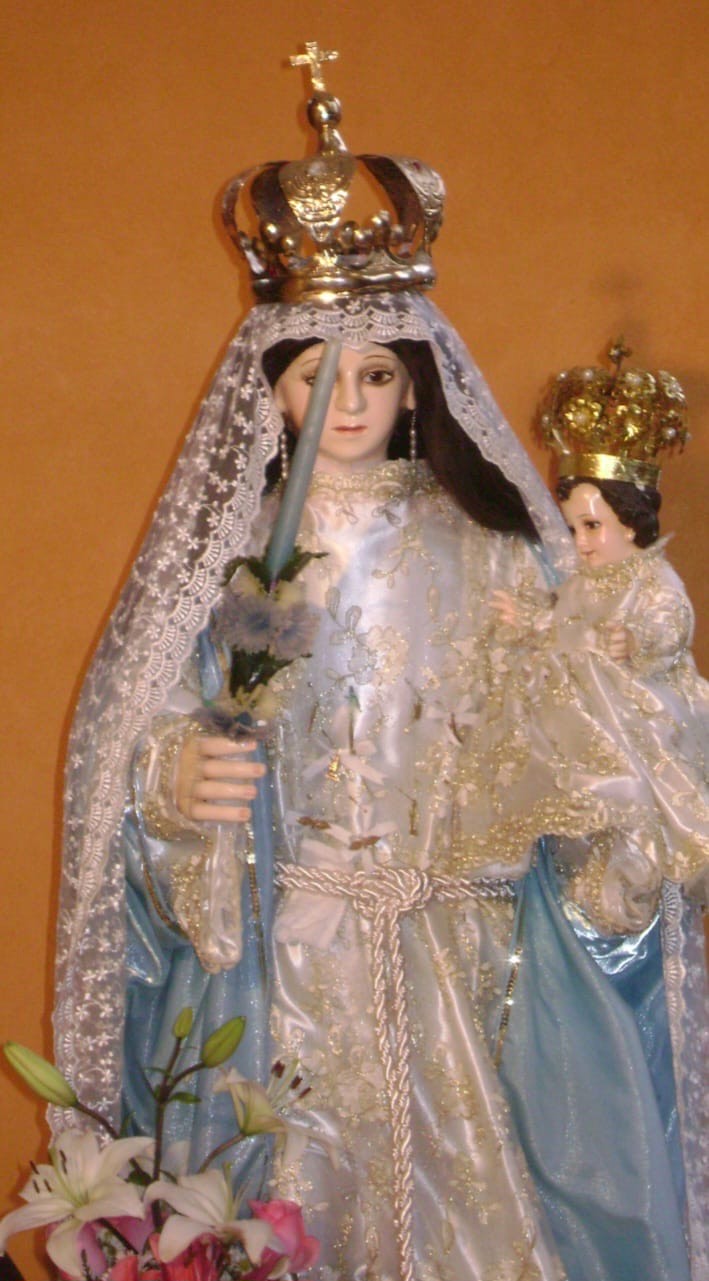
In Acapetahua, the celebration of Candelaria Day begins in the first days of January, with prayers dedicated to the Virgin Mary. The madrinas—key figures in this festivity—arrive at the church accompanied by their guests and traditional music, bringing flowers as an offering on their assigned day.
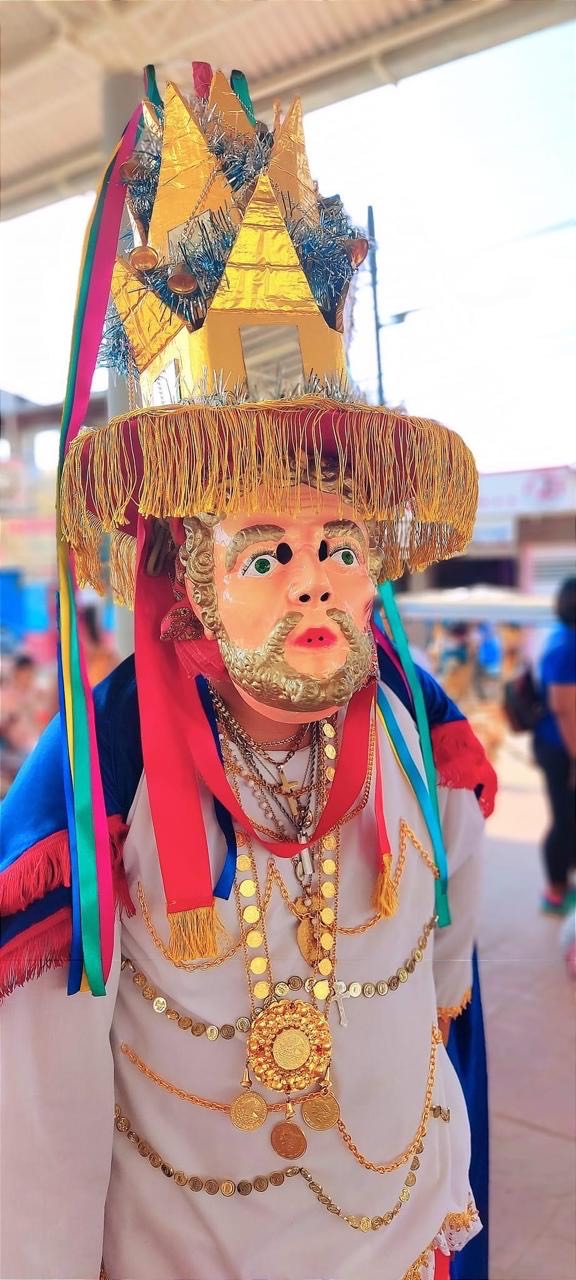
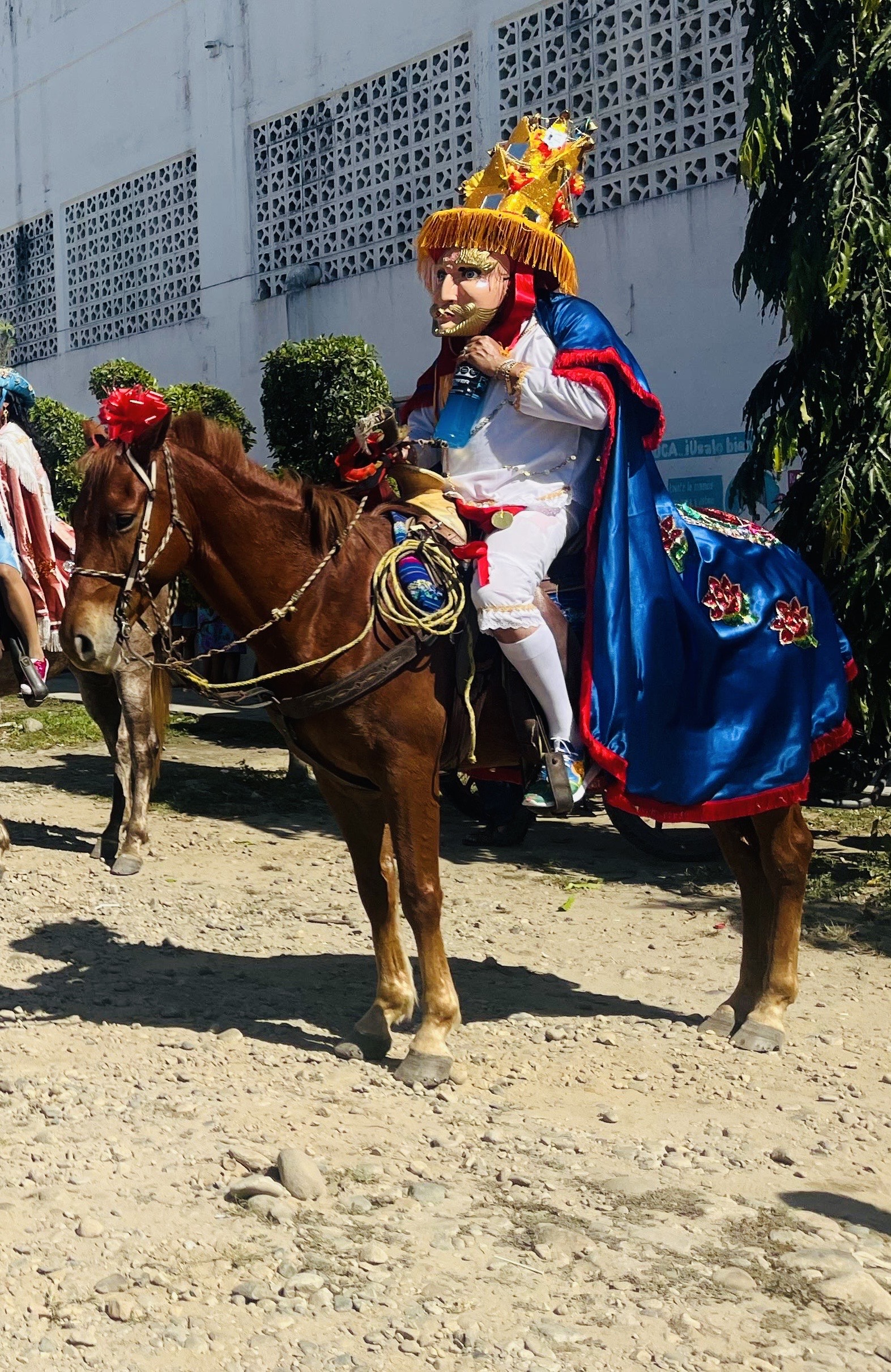
Meanwhile, participants in the emblematic dance of “Moors and Christians” begin rehearsals at the start of the year. This dance is much more than a stage performance: it is a ritual full of symbolism, in which each character must memorize historical and theatrical narratives passed down through oral tradition. The most experienced dancers guide the newcomers, teaching them how to perform in front of the audience.
Before the presentations, each character chooses a trusted woman who will be his companion throughout the entire festivity. She escorts him by the arm to the place where he will dance, looks after his costume, and always has a chair ready for him after each performance.
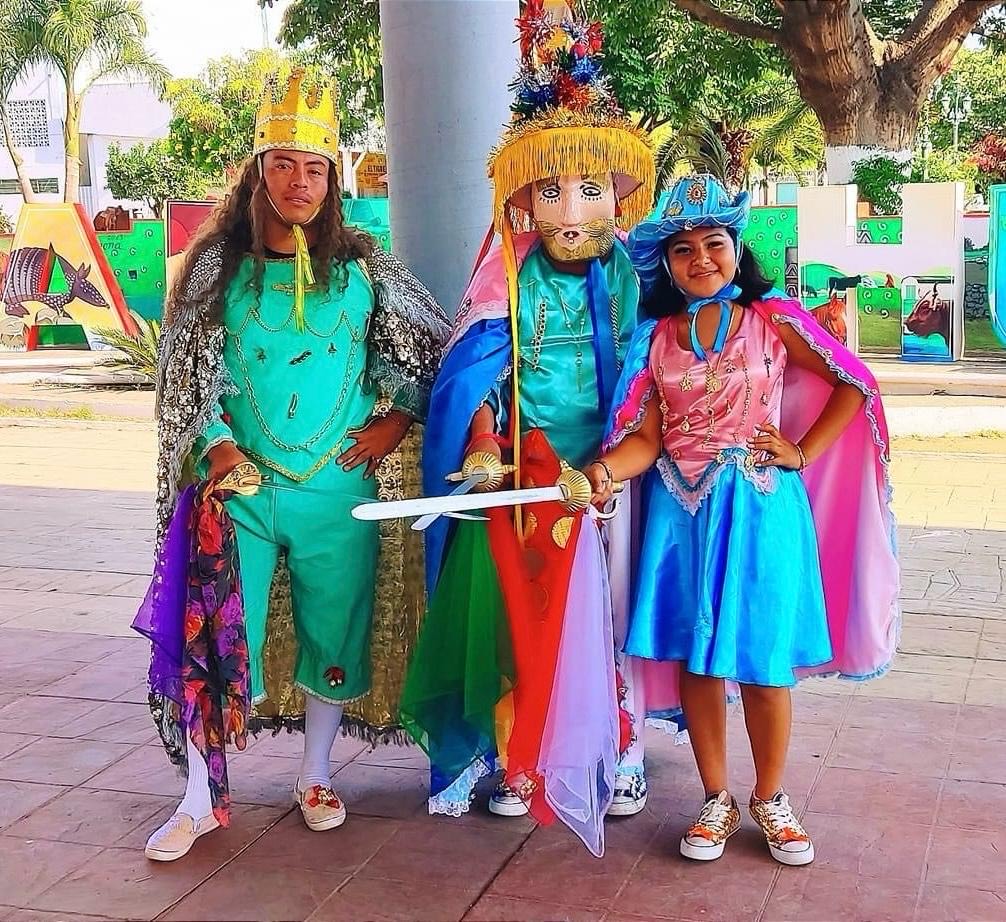
According to local chronicler Armando Palacios Vázquez, this dance has two versions: one featuring Princess Florhipe, daughter of the Moorish king, and another centered on the figure of Roland, a knight in the Christian army.
On the Christian side:
King Charlemagne
Captain Oliveros
Count Reiner
Roland, the Ambassador
Guide Gorgonia
Ricarte of Normandy
The Little Drummer, the king’s jester (popularly known as Chavarico)
On the Moorish side:
Admiral Balan
Prince Fierabrás
Princess Florhipe
King Balan
King Clarion
King Sortibrán
King Audalá
Brulante, the king’s jester
The Candlemas Festival unfolds over two or three days, during which the dance is performed in different locations:
First performance: in the church, as an offering to the Virgin.
Second: at the home of the festival’s mayordomo.
Later performances: in places where they are invited.
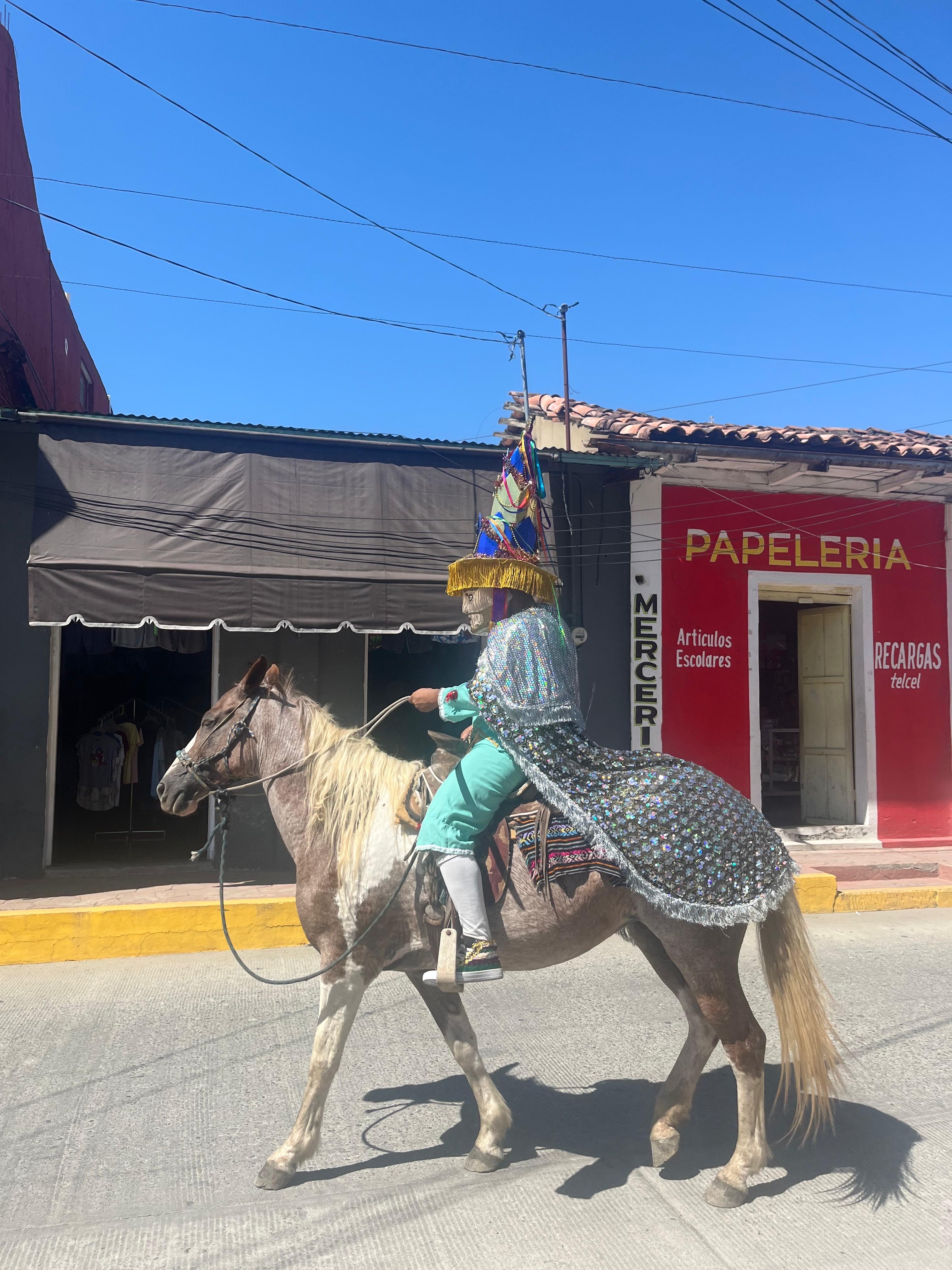
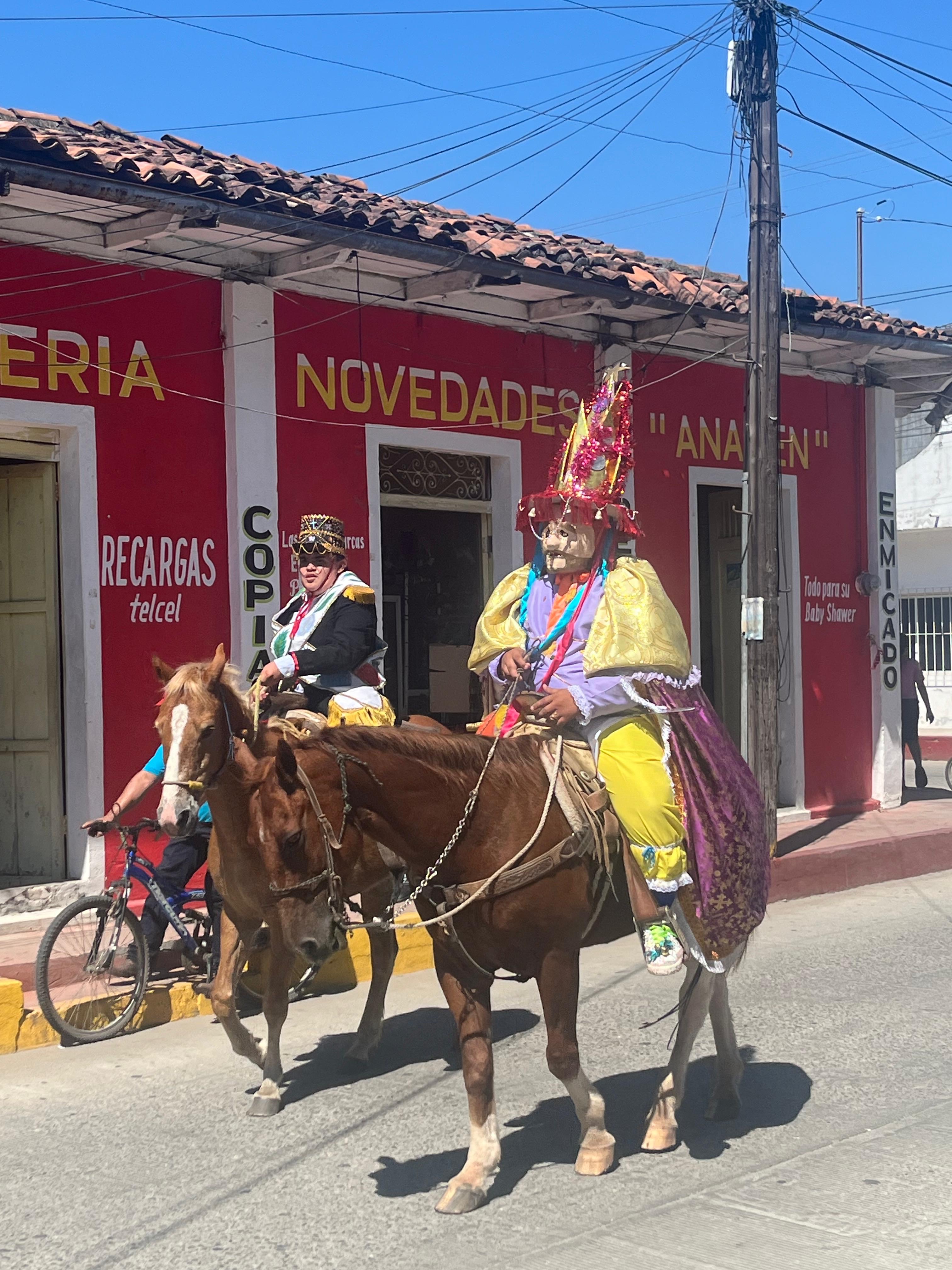
On the first day, the characters ride on horseback for the challenge; the following day, they walk on foot to the symbolic battlefield. Finally, eight days later, the farewell dance known as “el ochavario” takes place.
The performance lasts around two hours, since each character has a special dialogue or intervention, making it a vivid and immersive theatrical experience.
This tradition arrived in Acapetahua around 1937, introduced by the Ruiz brothers, who began performing it on February 1st and 2nd. Since then, the festivity has grown strong thanks to the community’s commitment.
One of the pillars of the organization is the mayordomos, chosen annually at the end of the celebration. Although it is a popular Catholic-rooted festival, the Church does not directly take part in the organization, making it an example of living religiosity managed by the people themselves.







-(1)-(1).png)