El Ángel - Monument to Independence
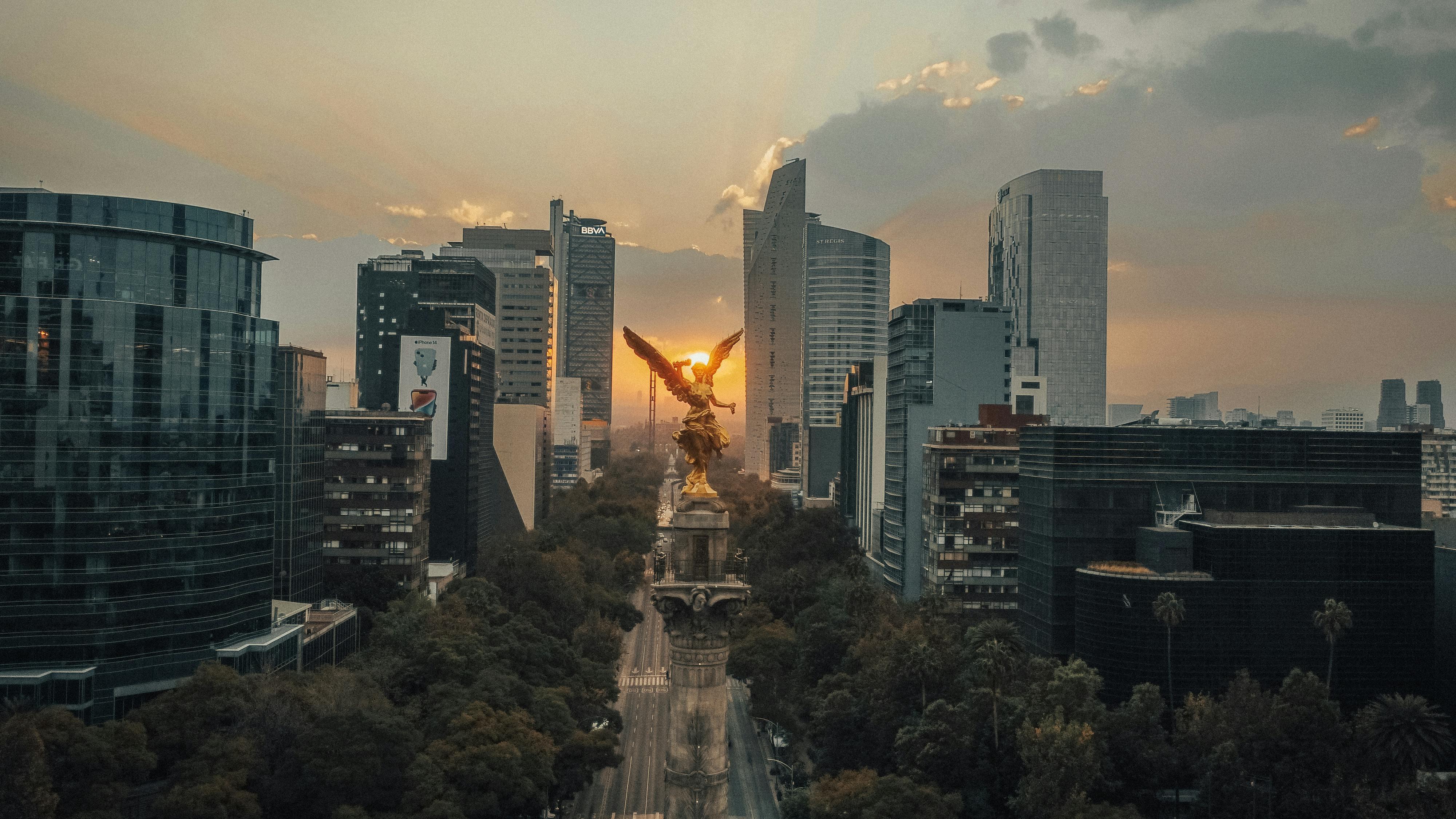
Likely the most prominent symbol of Mexico City, El Ángel is always at the center of things.
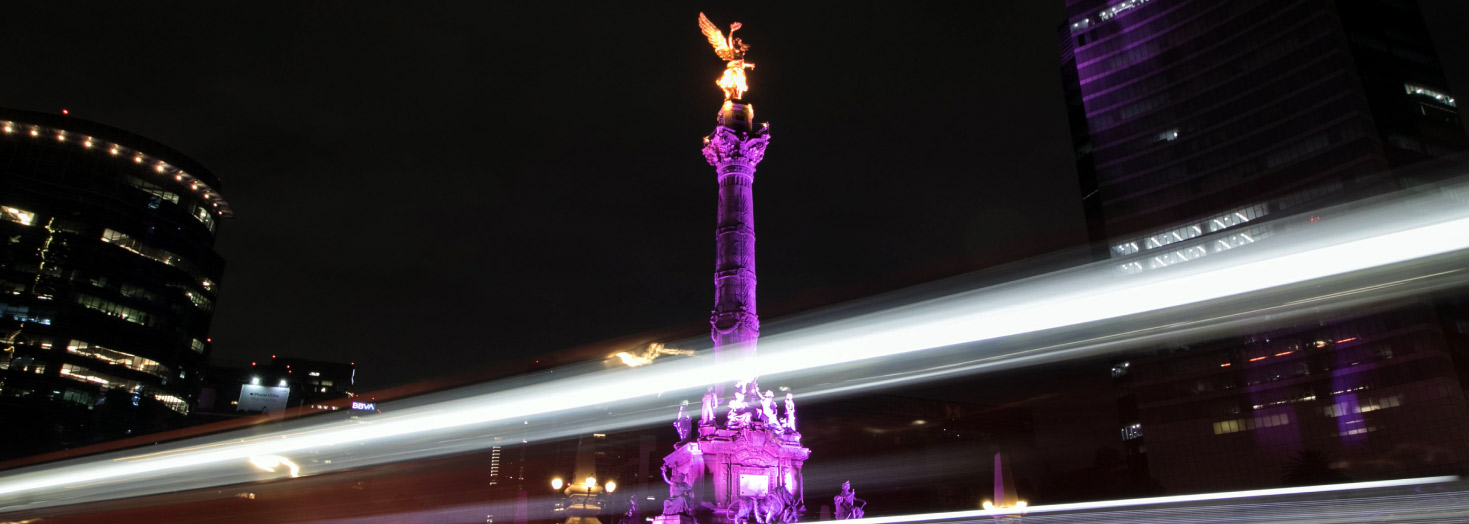
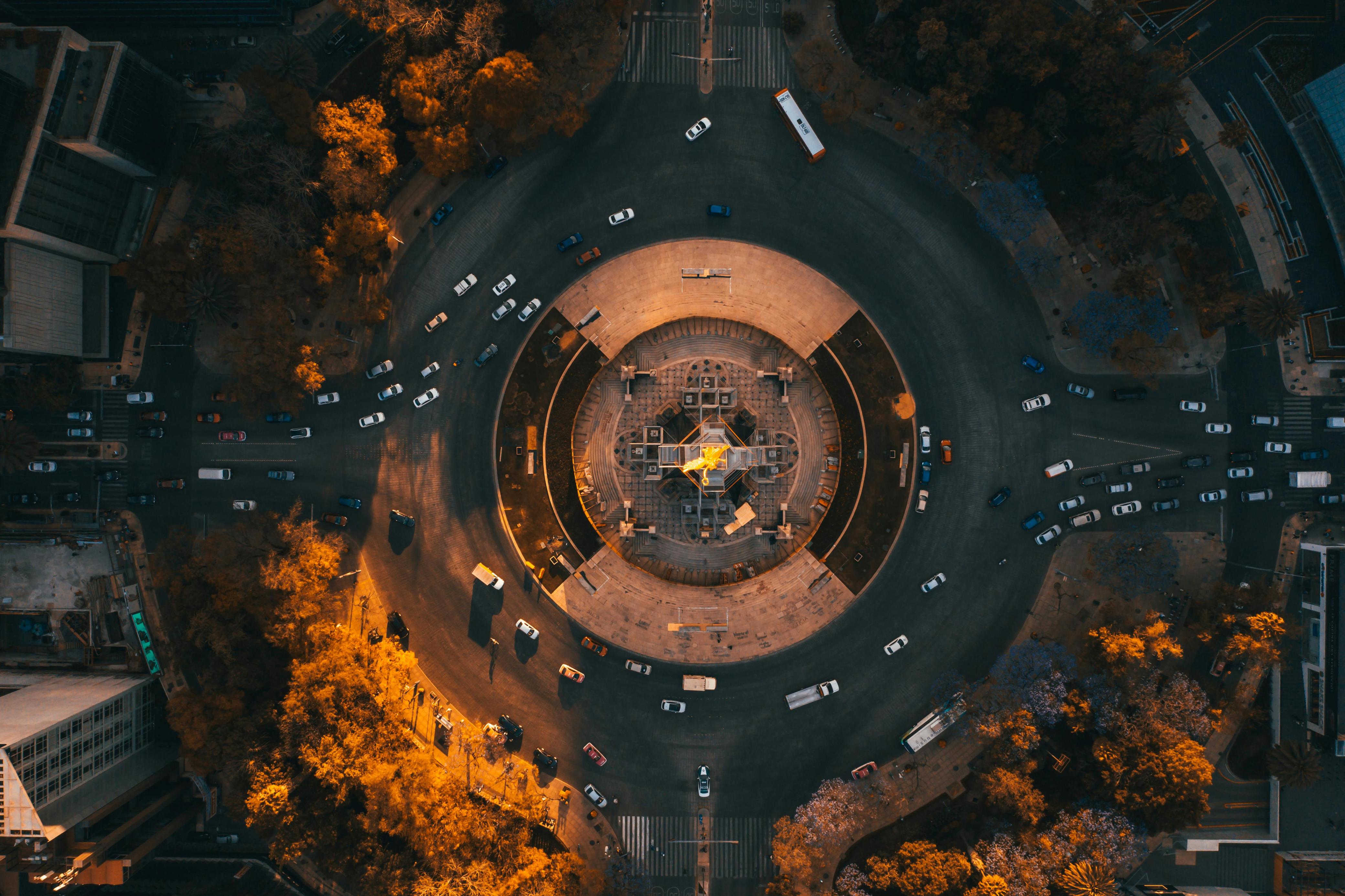
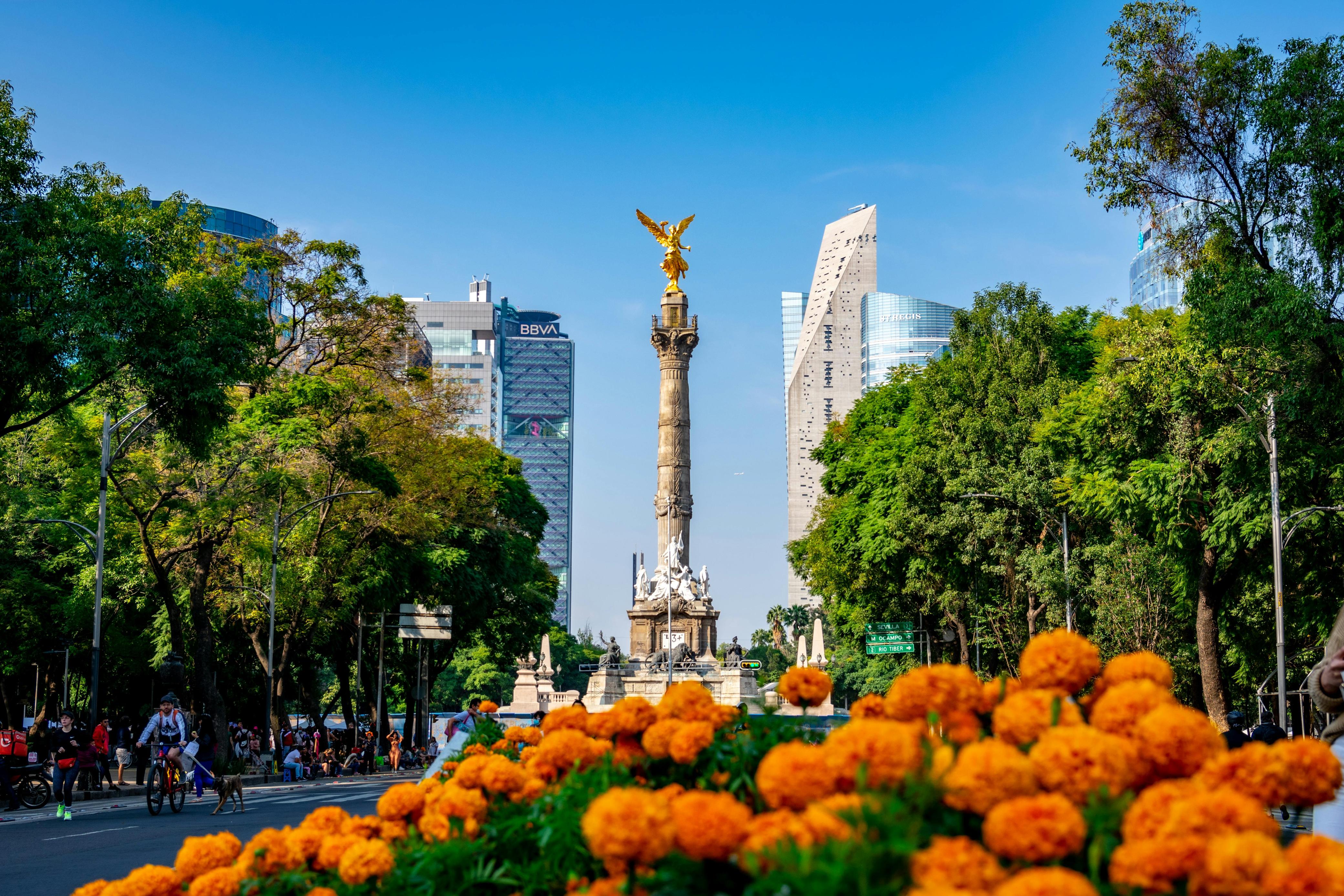
The Angel of Independence, located in Mexico City, is perhaps the most iconic monument in the capital. Ask almost any local which symbol best represents the city, and nine out of ten will point to this landmark. Officially named the Monument to Independence, it has stood at its roundabout on Paseo de la Reforma since the 1910 Centennial celebrations.
Among Reforma’s ten major roundabouts, it is a must-see, even if its story is not always widely known.
At the base, bronze sculptures symbolize law, war, justice, and peace. Another notable piece is a lion with a child, symbolizing the Mexican people: “strong in war and gentle in peace.”
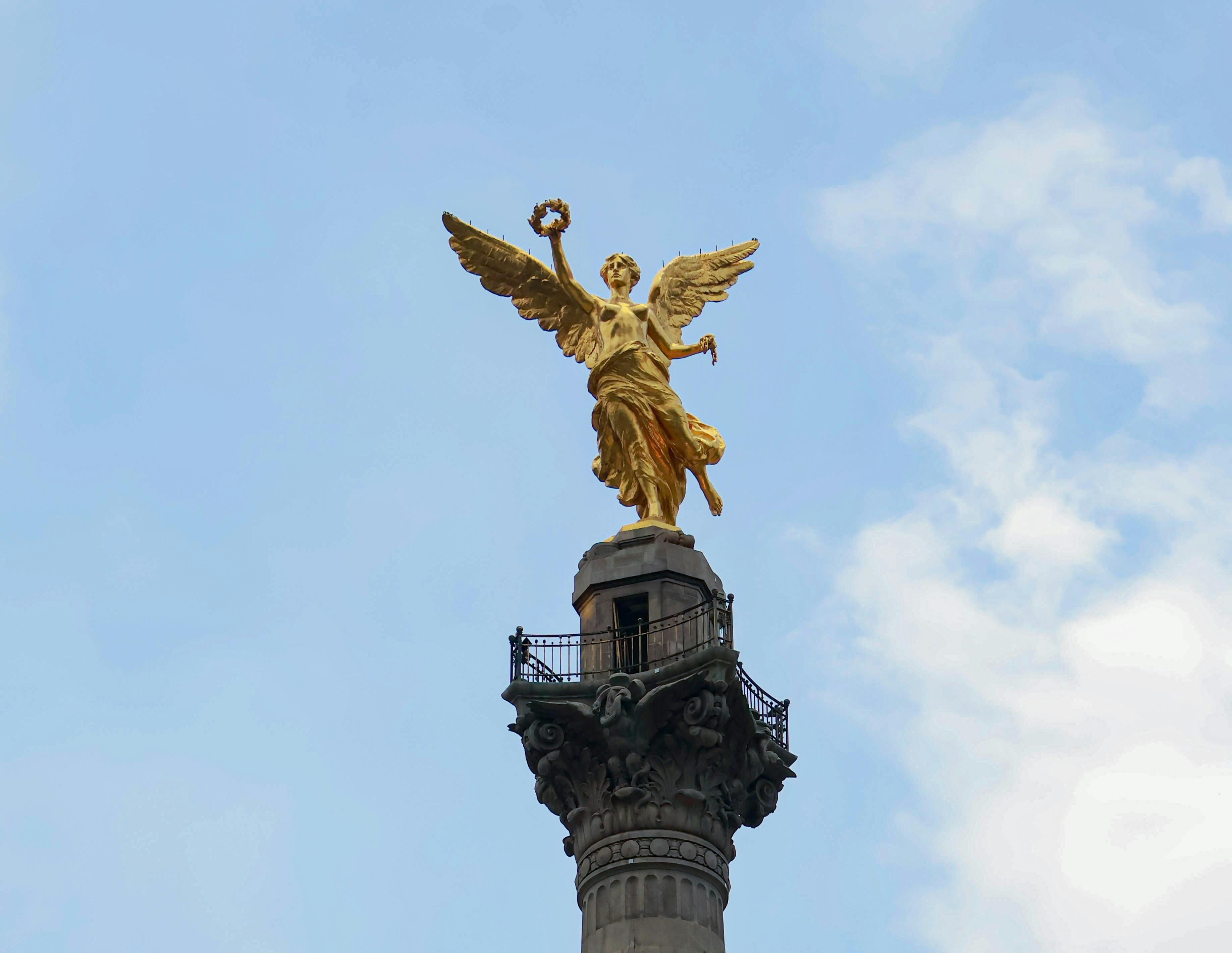
At the top stands the famous Winged Victory, inspired by the Greek goddess Nike. Standing 6.7 meters tall and weighing seven tons, the sculpture was created by Franco-Italian artist Enrique Alciati. The laurel wreath honors Miguel Hidalgo, while the three-link chain represents the end of Spanish rule after 300 years.
The first stone was laid in 1902. After the 1957 earthquake, the statue fell and broke, requiring over a year of restoration. The original head is preserved in the Historical Archive of Mexico City.
Next to the monument stands the statue of Guillén de Lampart, an Irish revolutionary executed in 1659. Inside the Angel lie the remains of 14 heroes of the Independence, including:
Miguel Hidalgo y Costilla
José María Morelos y Pavón
Ignacio Allende
Juan Aldama
Guadalupe Victoria
Vicente Guerrero
Nicolás Bravo
Mariano Matamoros
Leona Vicario
Francisco Javier Mina, among others.
On select weekends, visitors can climb to the top between 10:00 and 13:00 —a demanding ascent.
Turibús – Historic Center Circuit:
Stops at the northwest and southeast quadrants.
Turibús – Coyoacán Circuit (south):
Stop at the northwest quadrant.
Capital Bus – Center–Polanco Route:
Stop at the southeast quadrant; buses head east toward the Historic Center.






-(1)-(1).png)