Torre de los Vientos: Gonzalo Fonseca
One of the most architectural of works in the Route of Friendship.
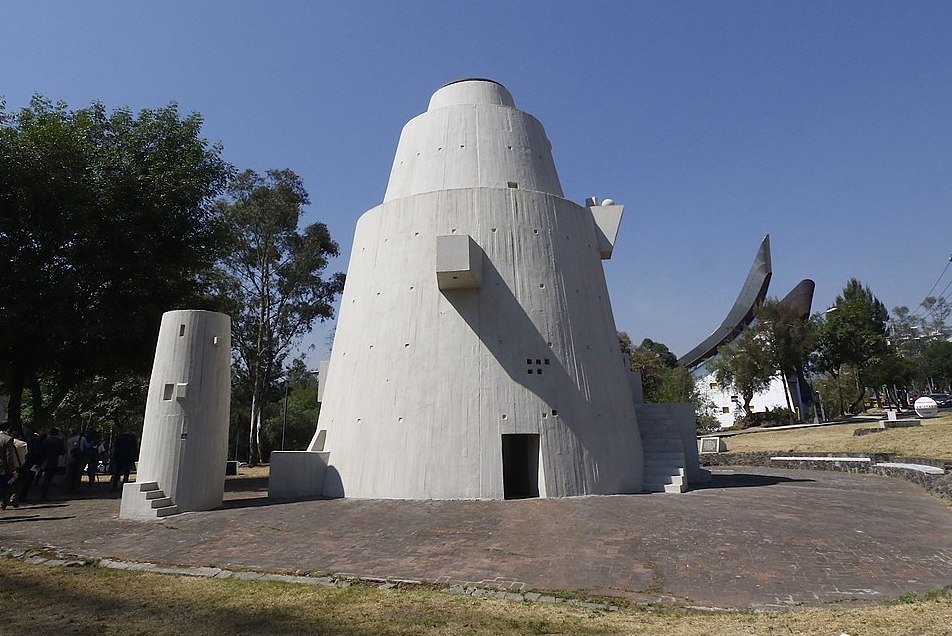
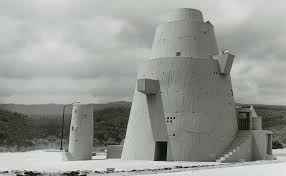
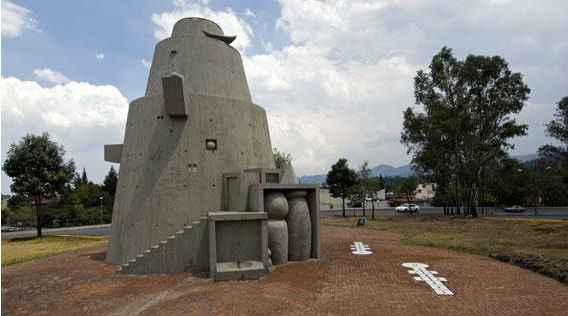
The Torre de los Vientos (Tower of the Winds) is one of the most photographed and perhaps even the most visited of sculptures of the Ruta de la Amistad in Mexico City. Totally rehabilitated in 1996, the work is also unique in constituting something of a visitable destination as opposed to a drive-by curiosity.
The tower dates from 1968 with the rest of the Friendship Route. Conceived and created by Uruguayan architect Gonzalo Fonseca, it's 13 meters high. Made from hollow steel tubes, these are covered in cast concrete. It's the only work in the series to have an interior as well as an exterior, although many of the artists along the way have at least some connection to architecture. Fonseca's work dates, though, from the early years of the "civic military dictatorship" in Uruguay. Mexico would come to host hundreds of Uruguayan refugees and expats in the years to come. This is , today, chiefly remembered in the Plaza Uruguay in Polanco. Fonseca intended his tower as a refuge, at least a symbolic refuge, for anyone who might need it.
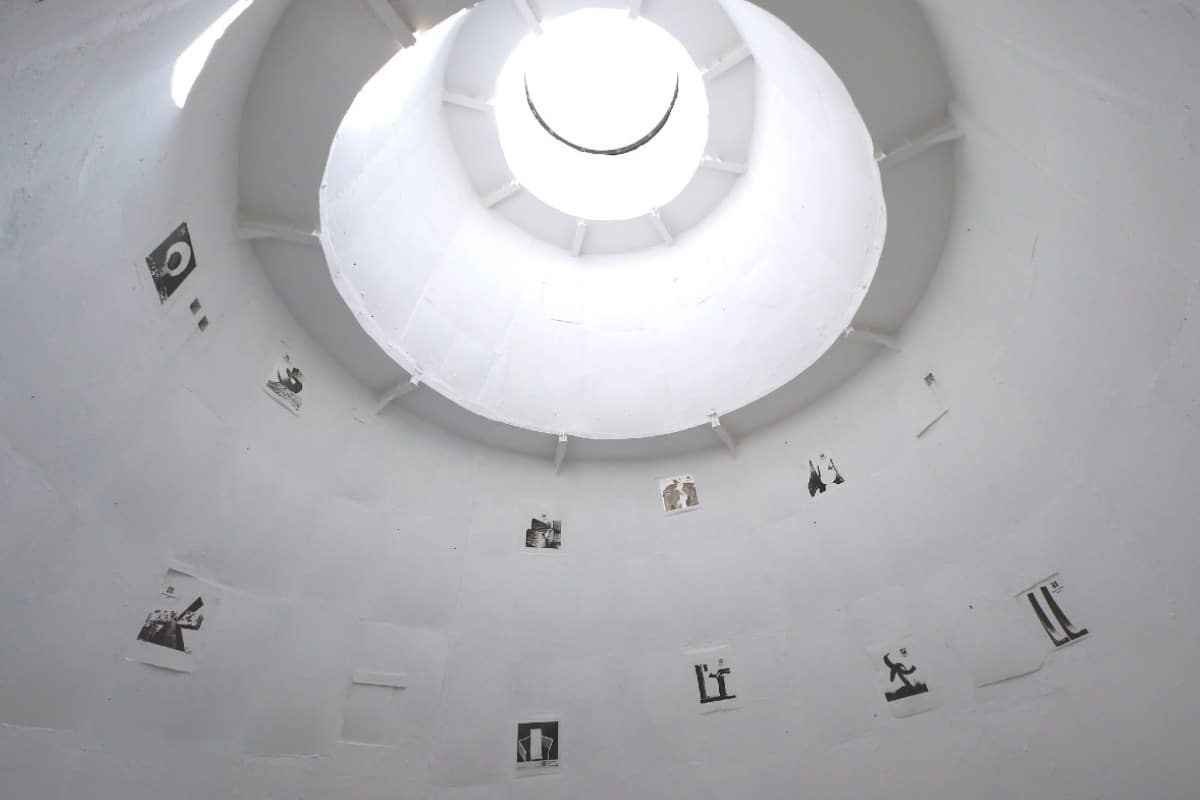
The interior is lit by a circular skylight. This floods the 80 square meters of space with light. Simple concrete furniture makes it almost cozy and the artist had even included a small refrigerator and water supply. Gonzalo Fonseca (1922–1997), an Uruguayan artist, originally trained as an architect. His sculpture in stone gained him early praise and recognition. Usually associated with the Universal Constructivism movement, his work strove for universal identity rather than for mere nationality. Fascinated with history and cultures, his early training as an architect helped him realize and formulate sculpture with a sense of mystery, and often deeper and more humane meaning.
The Torre de los Vientos fell into considerable neglect for nearly three decades, rehabilitation work was carried out by the World Monuments Fund in 1996. Support also came from some local embassies. Today, it's sometimes used as a contemporary art space. Some 75 art projects have taken shape over the past 25 years.








-(1)-(1).png)