Museo de las Culturas de Oaxaca, Santo Domingo
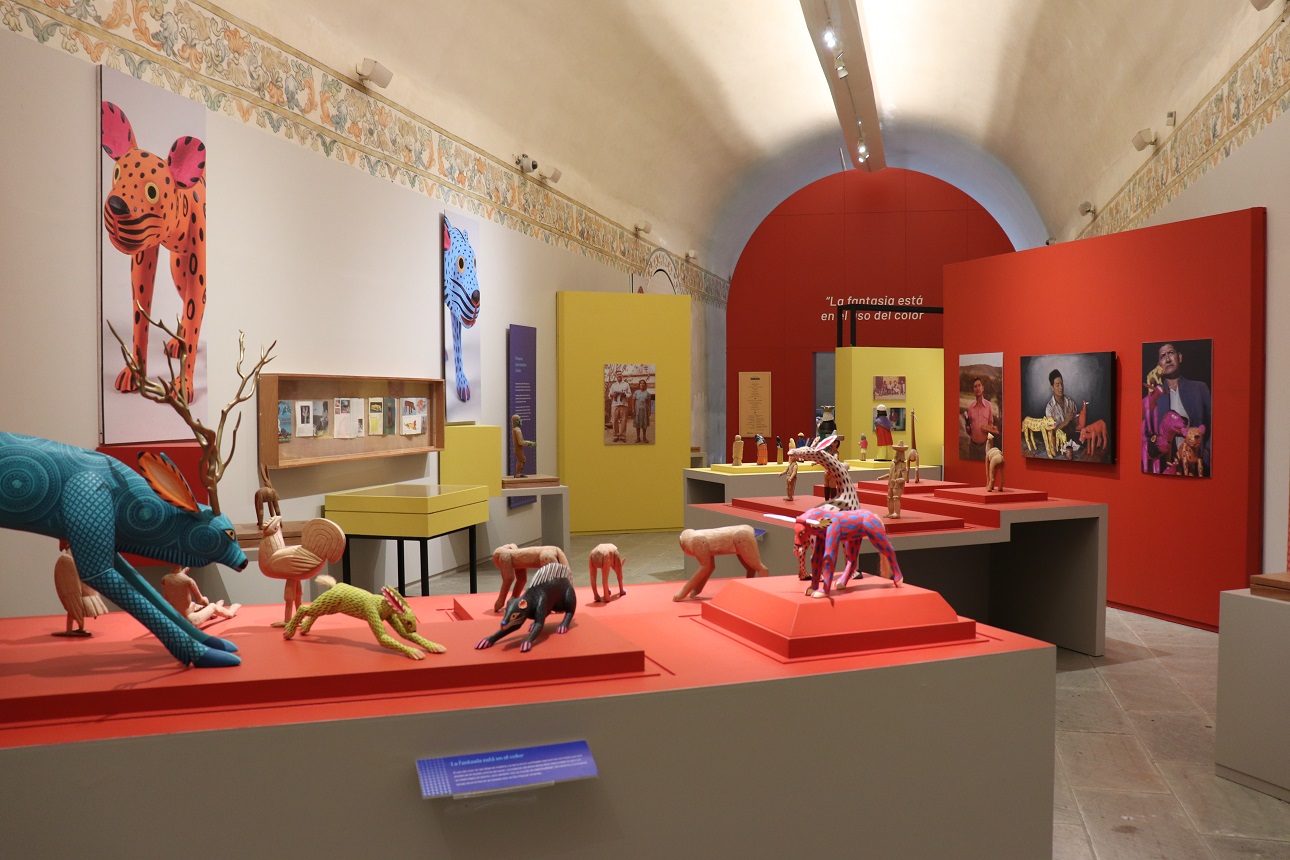
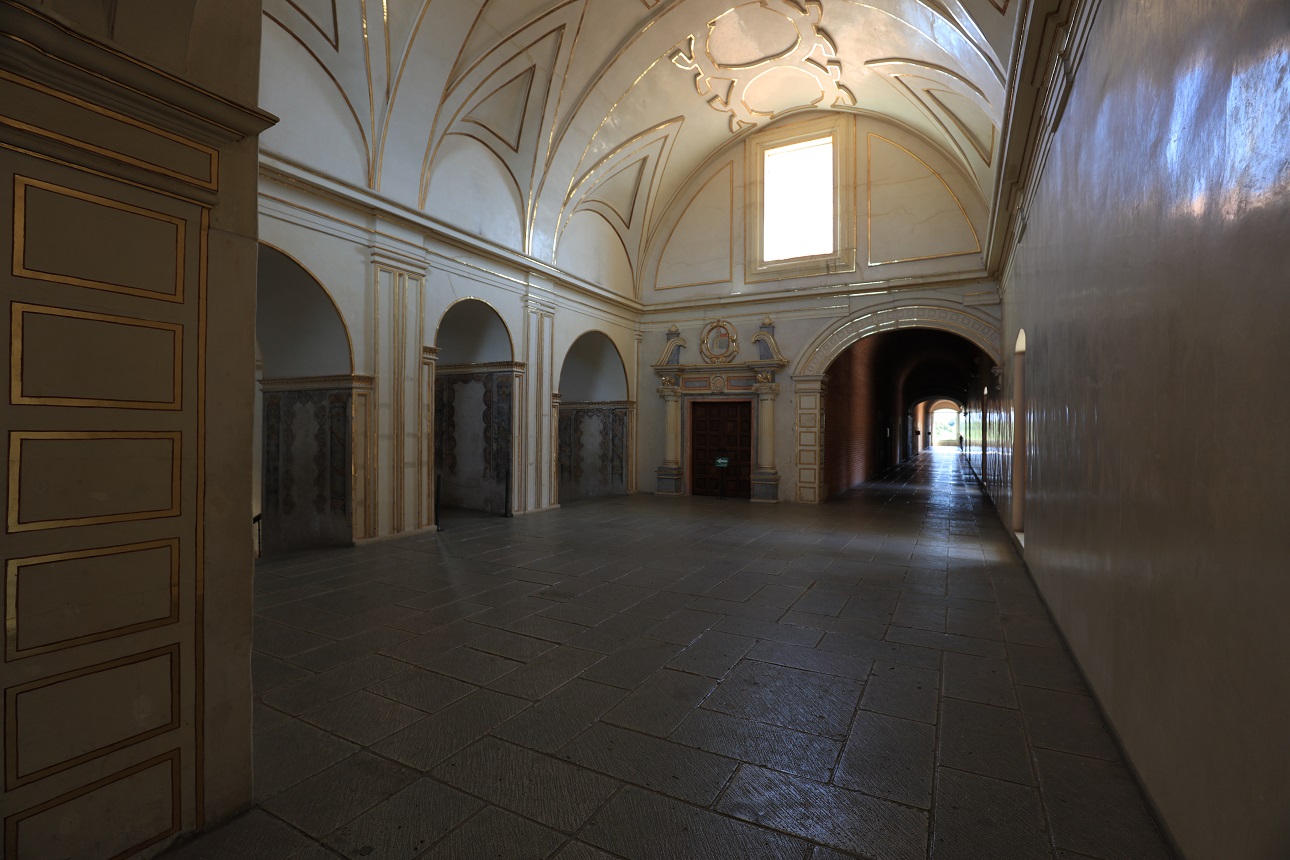
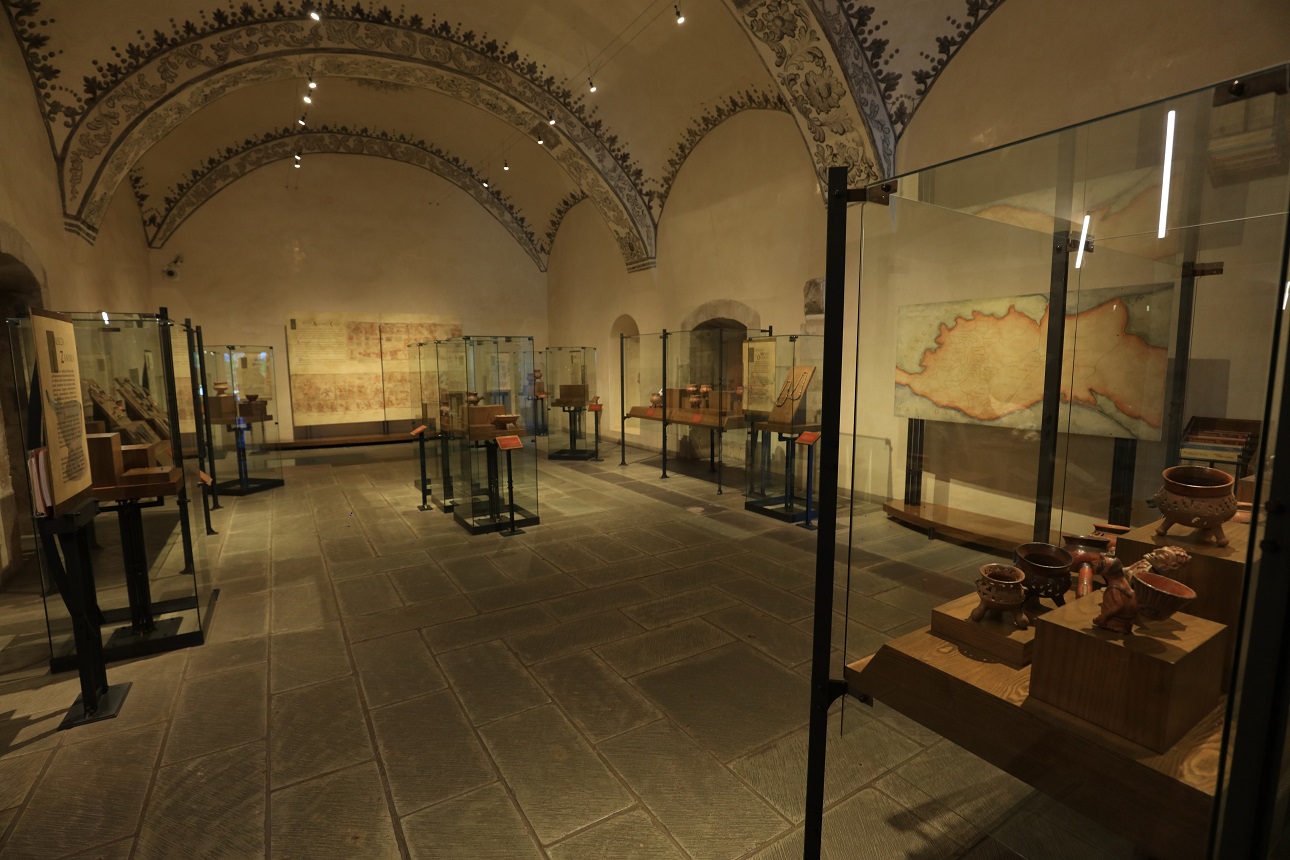
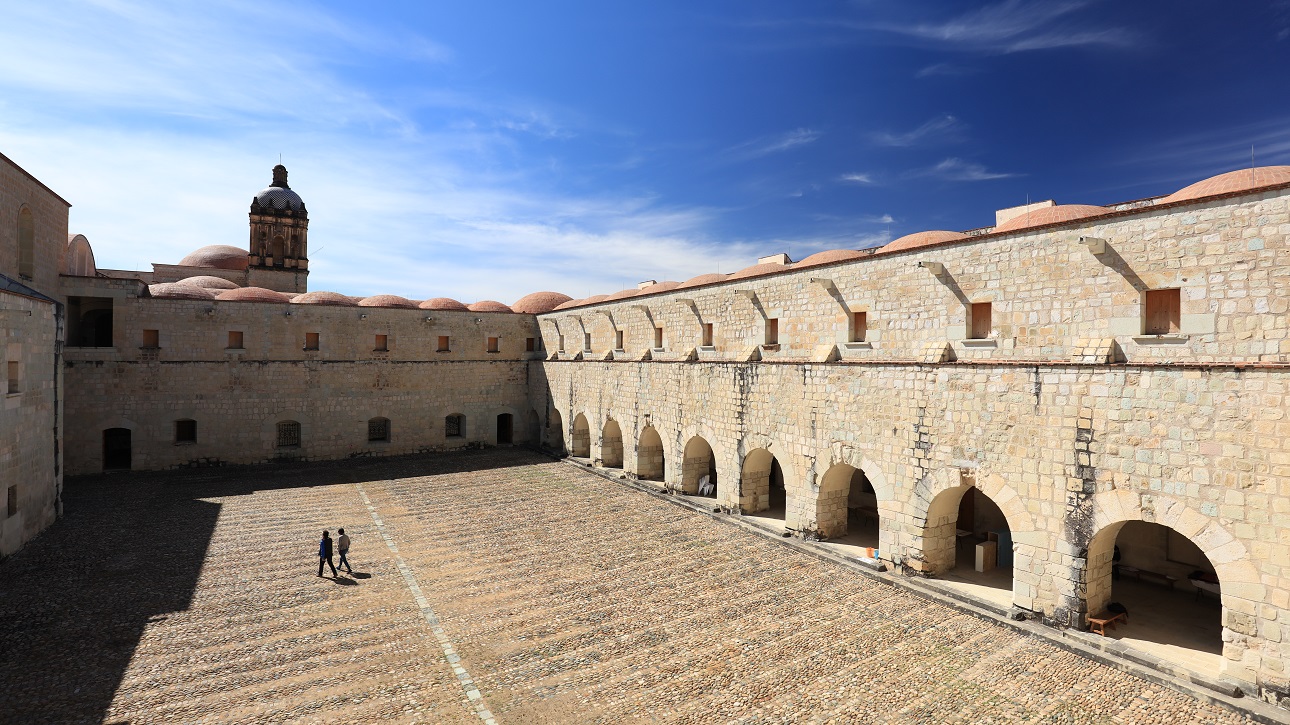
The unparalleled Museum of Oaxacan Cultures is located beside the Church of Santo Domingo de Guzmán, on Macedonio Alcalá Street. It is perhaps the largest and most important standing viceregal structure in Mexico—and likely in all of the Americas—due to its monumental scale, artistic value, and its role as a center for evangelization and cultural promotion in what is now the state of Oaxaca. Moreover, it is a space to feel, reflect, and connect with the soul of a vibrant people; the building itself is a work of art, a baroque jewel that envelops visitors in an atmosphere of peace and beauty.The Museum of Oaxacan Cultures (formerly the Regional Museum of Oaxaca) is part of the former Convent of Santo Domingo de Guzmán—one of the country’s most significant historical monuments due to its architecture and history (sic.gob.mx, 2025)—and is under the administration of the National Institute of Anthropology and History (INAH). It was officially recognized as the Regional Museum of Oaxaca on December 20, 1972, and between 1994 and 1998, underwent a comprehensive restoration project, after which it was given its current name.From the ancient Zapotec and Mixtec civilizations to the arrival of the Spanish and the formation of a new society, this museum houses archaeological pieces that tell stories of kings, warriors, and gods. Among its treasures is the famous Tomb 7 treasure from Monte Albán, discovered by archaeologist Alfonso Caso on January 9, 1932—a landmark moment in Mexican archaeology—and an impressive collection of gold and silver jewelry that transports visitors to a time of splendor.The museum features 14 permanent exhibition halls and holds a significant archaeological collection, the result of explorations conducted by INAH personnel throughout Oaxaca. It also includes nine thematic rooms where visitors can explore a broad overview of traditional Oaxacan activities such as pottery, goldsmithing, leatherwork, and gastronomy, among others. These exhibition halls provide an archaeological, historical, and ethnographic panorama of Oaxacan cultures. They reveal the resilience of Indigenous peoples in the face of conquest—their identity, their determination to revive their economy, restore demographic vitality, adopt new cultural patterns, and remain organized according to their traditions and wisdom. The archaeological halls display collections of objects unearthed during various explorations carried out by the National Institute of Anthropology and History.This cultural venue is open from Tuesday to Sunday, from 10:00 a.m. to 5:00 p.m., and is part of a broader cultural complex that includes the Church of Santo Domingo de Guzmán (still in use for worship), the Historic Ethnobotanical Garden, the Fray Francisco de Burgoa Library, and the Néstor Sánchez Public Newspaper Archive of Oaxaca.








-(1)-(1).png)