Tumilco
A corner of the Veracruzan Huasteca with ancestral essence, among mangroves and estuaries
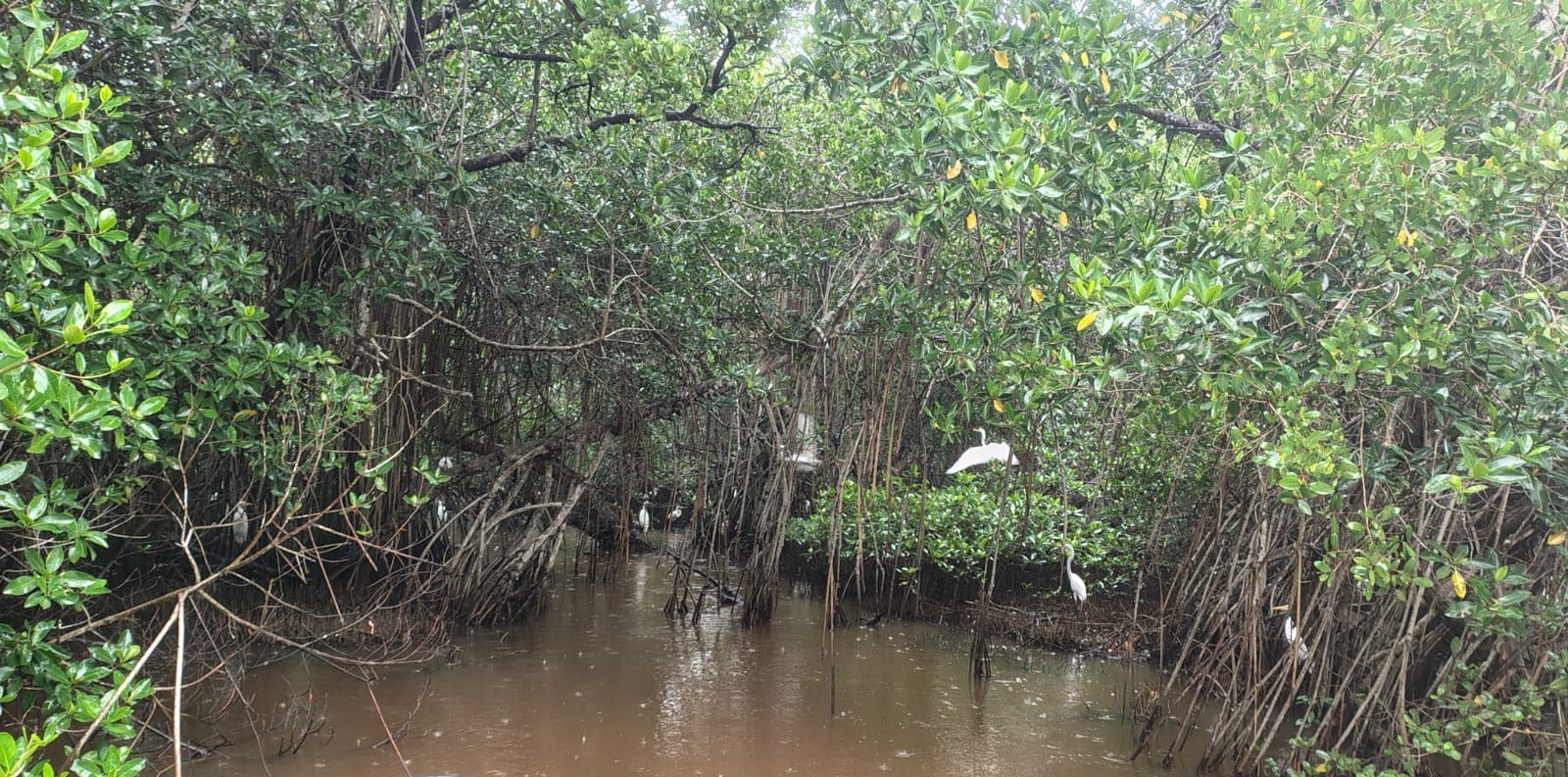
South of the municipality of Tuxpan, in the Huasteca Baja region, I invite you to discover Tumilco, a small rural community surrounded by mangroves, estures and a natural wealth that defines its identity. Here, the practically intact environment allows biodiversity and tranquility to set the rhythm of daily life.
Tumilco, "place of incense", evokes the ancient copal forests, whose resin was essential in pre-Hispanic ceremonial rituals.
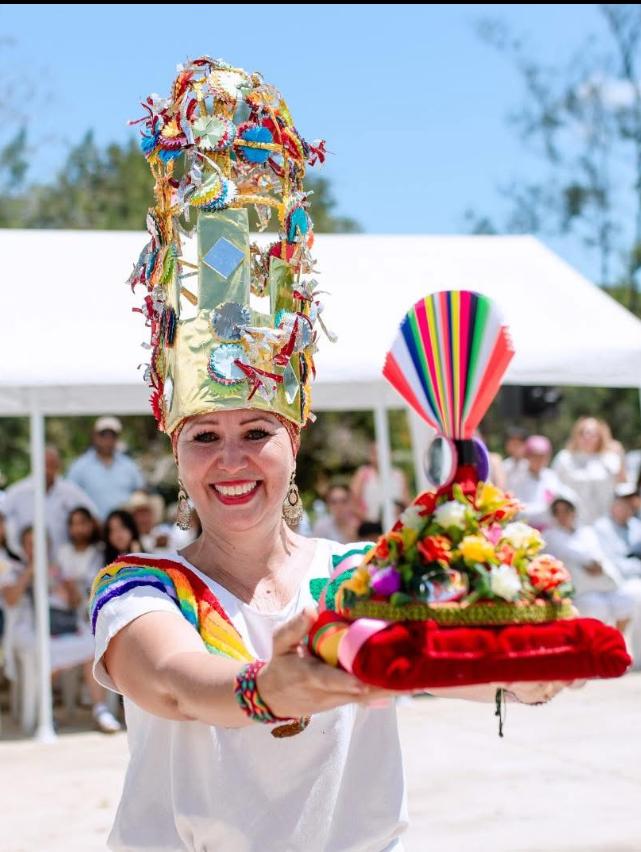
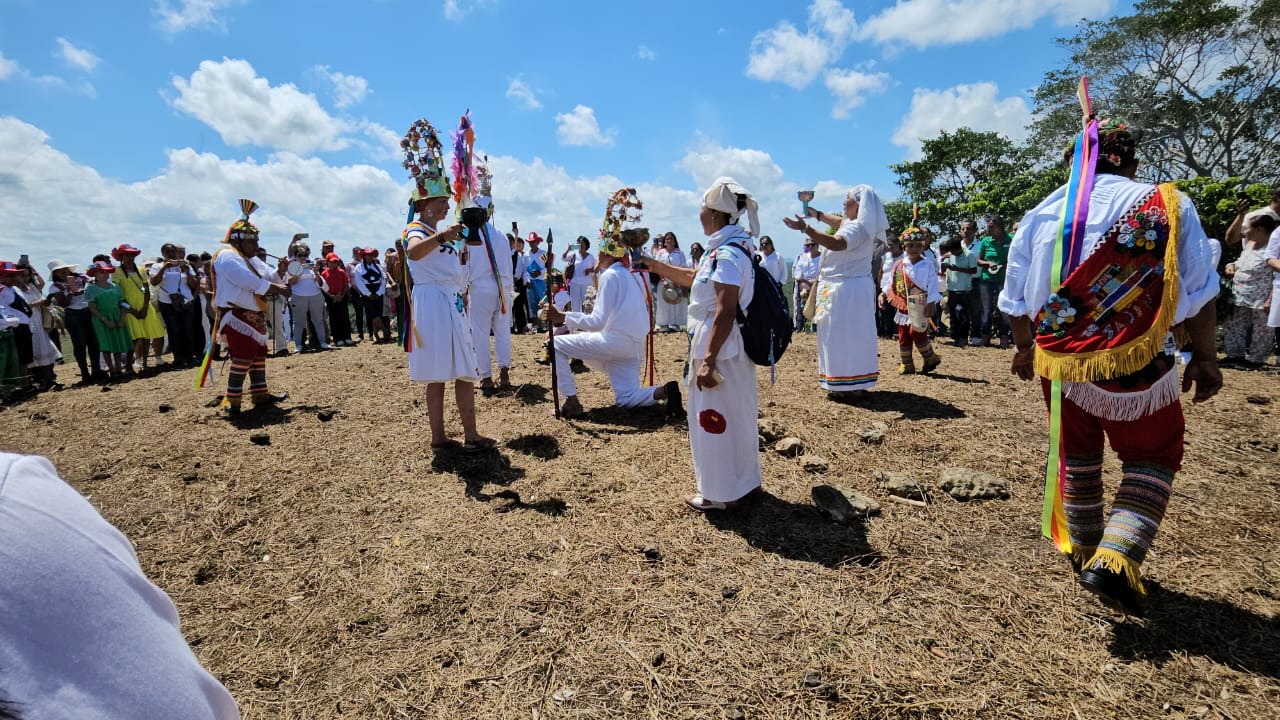
Upon your arrival, you will enter an area considered a cultural border between the Huasteca and the Totonacapan, a space of great historical value, where the Teenek legacy is still alive in its traditions, stories and in the collective memory of its people.
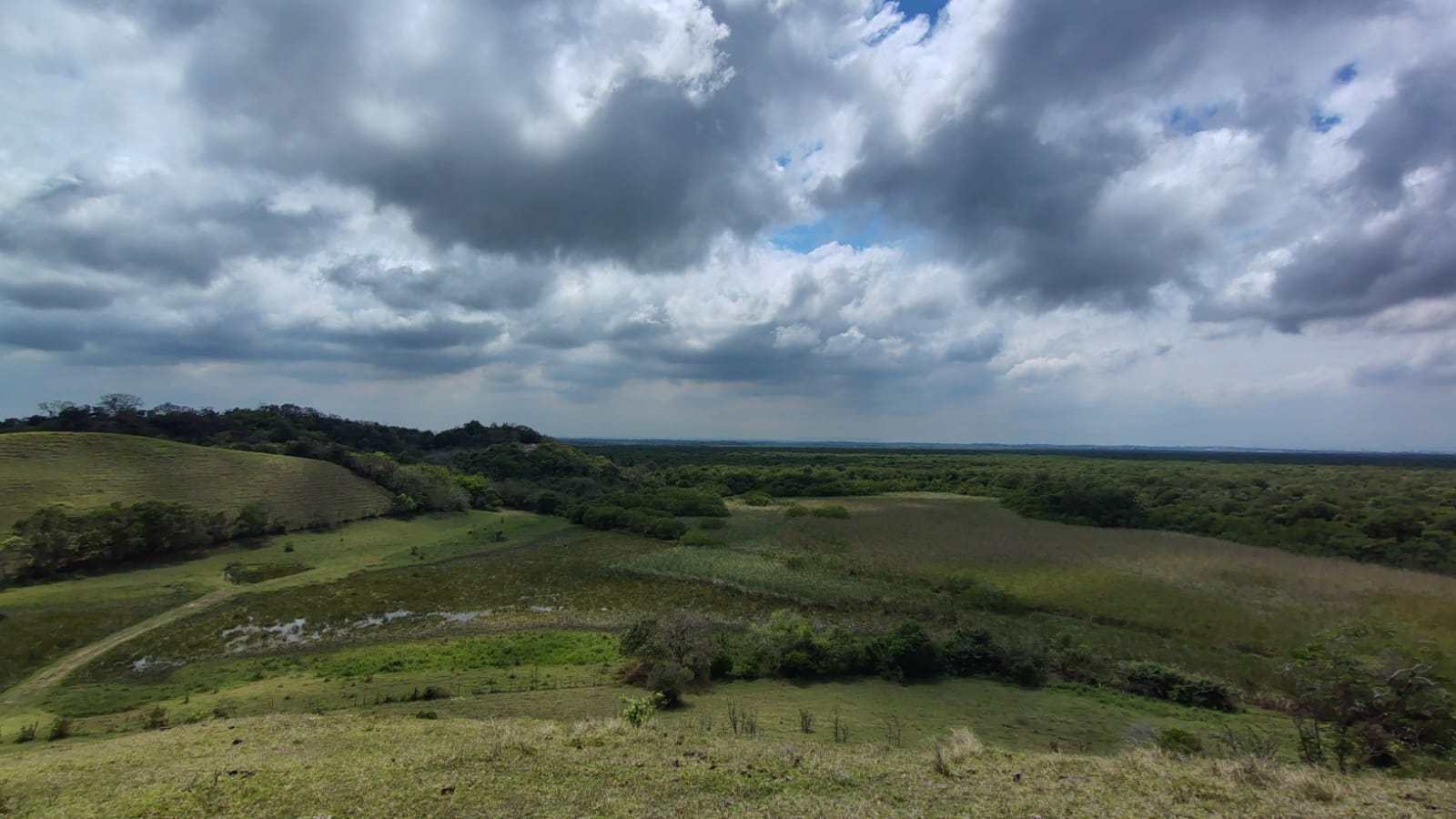
The landscape envelops you between mangroves, tropical oak forests and large areas of pastures. Its estues create an ecosystem full of life that invites you to observe the diversity of species, travel its waters by boat or simply walk in silence, connecting with nature.
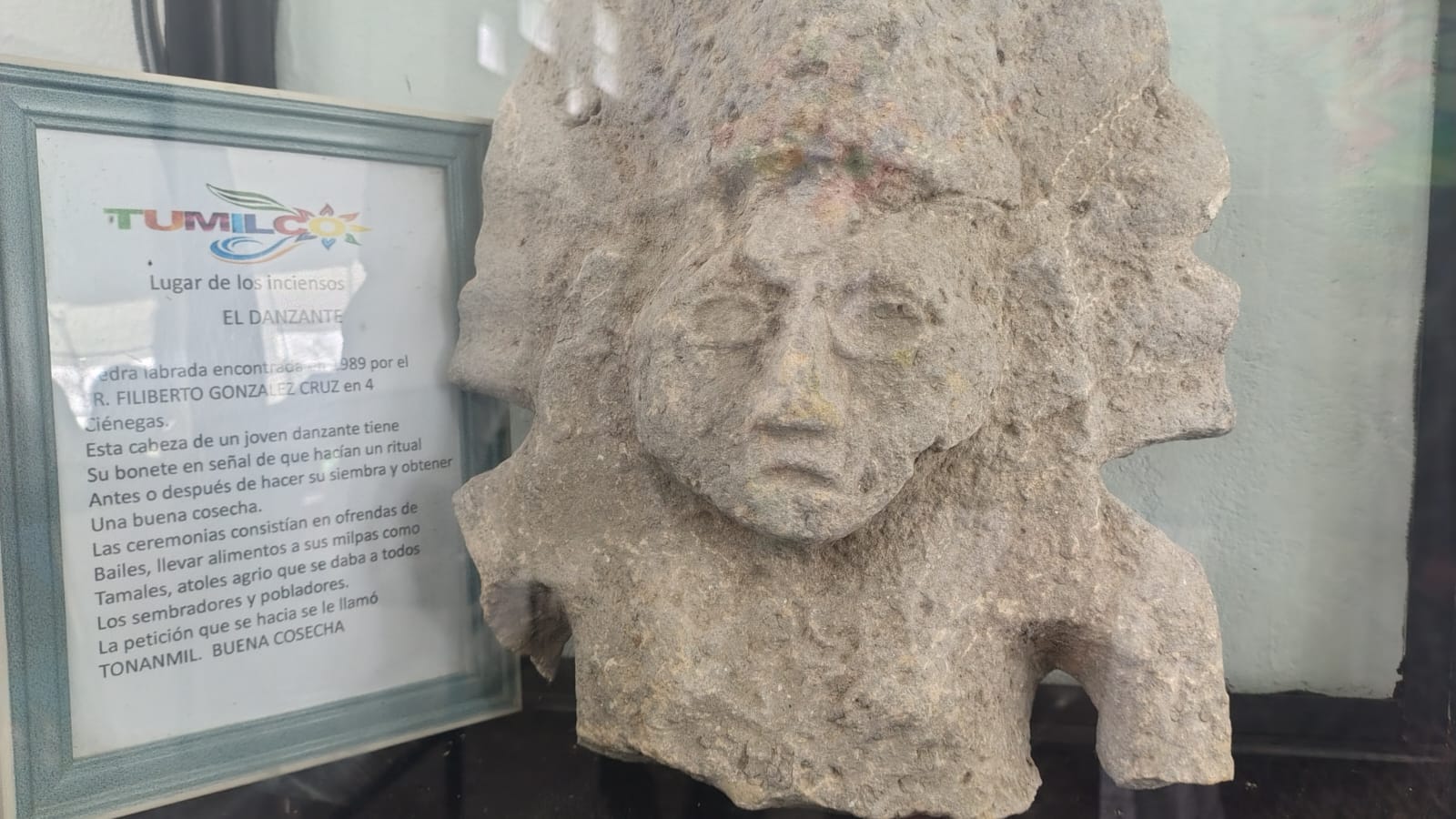
Get to know the community museum, testimony of the pre-Hispanic heritage of the region where elements of Huaste's worldview are represented, such as the figure of Pijchal, related to the sacred snake present in various Mesoamerican cultures.
The pieces that make up its community museum, found in the surroundings, have an invaluable value and are complemented by the identity mural, which reinforces the importance of this territory as part of an old settlement linked to sites such as Tabuco.
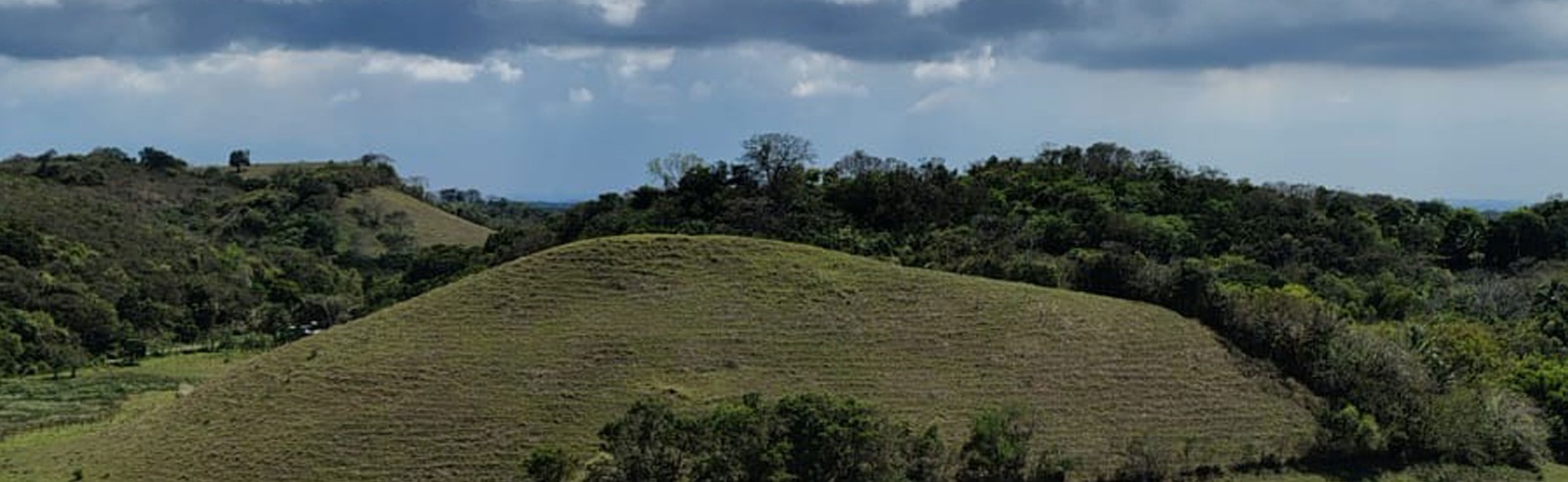
During your visit, you can not stop climbing Cerro del Farallón, a natural viewpoint from where you can contemplate the immensity of the mangroves and you can perceive the breeze coming from the Golfo of Mexico. It is a place that, beyond its beauty, transmits a special energy, as if it still protected the ancestral knowledge of the region.
If you are looking for a deeper experience, I recommend visiting Tumilco during the spring equinox. At this time, when day and night are balanced, Cerro del Farallón becomes a privileged point to observe the path of the sun, evoking ancient Huastec worldviews linked to the cycles of the earth.
It is a corner where nature, history and spirituality still dialogue in a low voice, like the smoke of the copal that once rose to the sky.








-(1)-(1).png)