Jtatik Samuel Museum
Jtatik Samuel Museum: History, Memory, and the Legacy of a Man of Peace Who Transformed Chiapas and the Continent
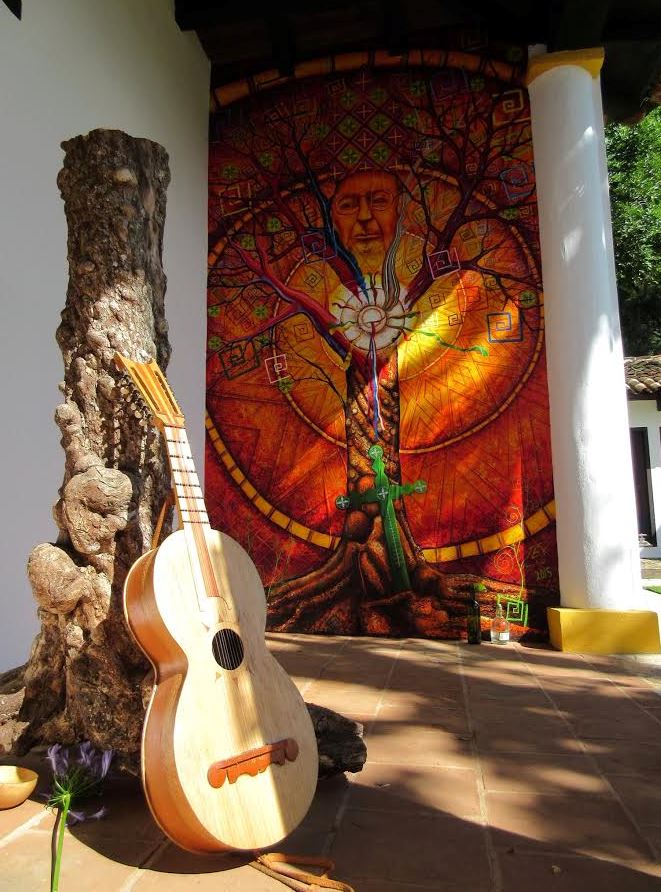
The building that houses the Jtatik Samuel Museum is itself a historic landmark, as it was the site where the Treaty of Esquipulas was signed in 1869, following the Caste Rebellion. Today, this historic setting preserves the living memory of a man of peace who became an important figure in the history of Mexico and the continent: Samuel Ruiz García (Jtatik Samuel), the last Bishop of Chiapas and the first Bishop of San Cristóbal de Las Casas.
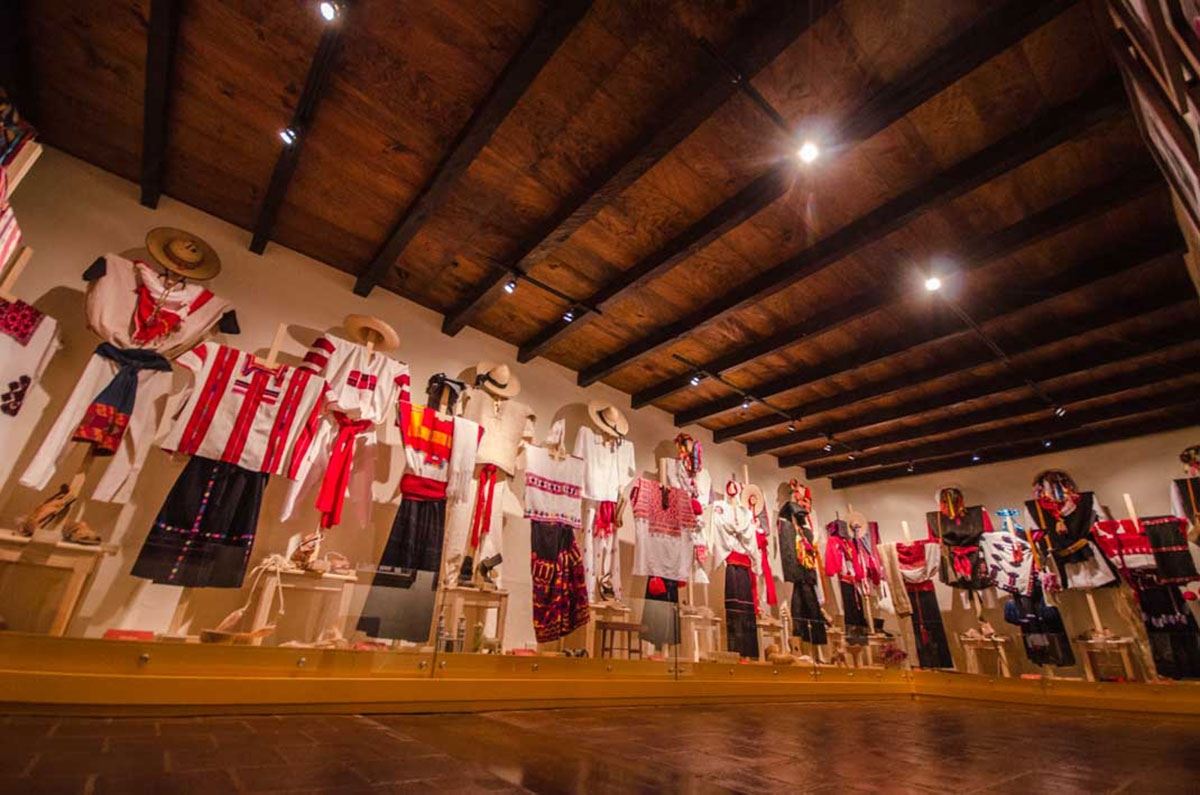
The museum’s exhibits explore topics related to the region’s early Maya inhabitants, the Spanish conquest, the history of the Diocese of San Cristóbal, and the life and work of Samuel Ruiz García. Two galleries showcase the diversity of Chiapas textiles, featuring works from 15 communities. Another gallery is dedicated to casta paintings, displaying reproductions inspired by one of the world’s most important collections of Mexican casta paintings. The museum also has an auditorium that hosts lectures, book presentations, and other cultural events.
The museum features six permanent galleries:
Under the Chiapas Sun
The traditions, values, customs, and linguistic diversity of the Maya and Olmec peoples have contributed to the extraordinary cultural heritage represented by today’s Indigenous communities of Chiapas.
Utopia of Faith
The Spanish invasion profoundly transformed Mesoamerica, affecting its peoples, cultures, customs, and traditions. Chiapas was no exception and became a witness to subjugation, exploitation, and dispossession.
The Source of the Apostle
This gallery presents the life of Samuel Ruiz and some of the most challenging moments of his journey, as well as the profound personal and spiritual formation that prepared him to undertake his episcopal ministry in a region that was initially unfamiliar to him: Chiapas.
The Strength of the Shepherd and Prophet
With the guidance of Jtatik Samuel, Indigenous communities began a new chapter in their history, actively participating in meetings and congresses, sharing their own experiences, and seeking peaceful and reflective ways to address their challenges.
An Apostolate to Continue
Jtatik Samuel’s legacy among Indigenous peoples is extensive and enduring. His commitment to accompanying their communities marked an important chapter in Mexican history and contributed to processes of reflection, participation, and self-awareness.
The Castas
Eighteenth-century casta painting provides an important visual representation of colonial society. This gallery features reproductions of significant examples of this artistic tradition, allowing visitors to explore an important chapter in the social and cultural history of New Spain.