Museum of the Highlands of Chiapas
Living History of San Cristóbal: From Archaeology and Evangelization to Its Colonial Heritage
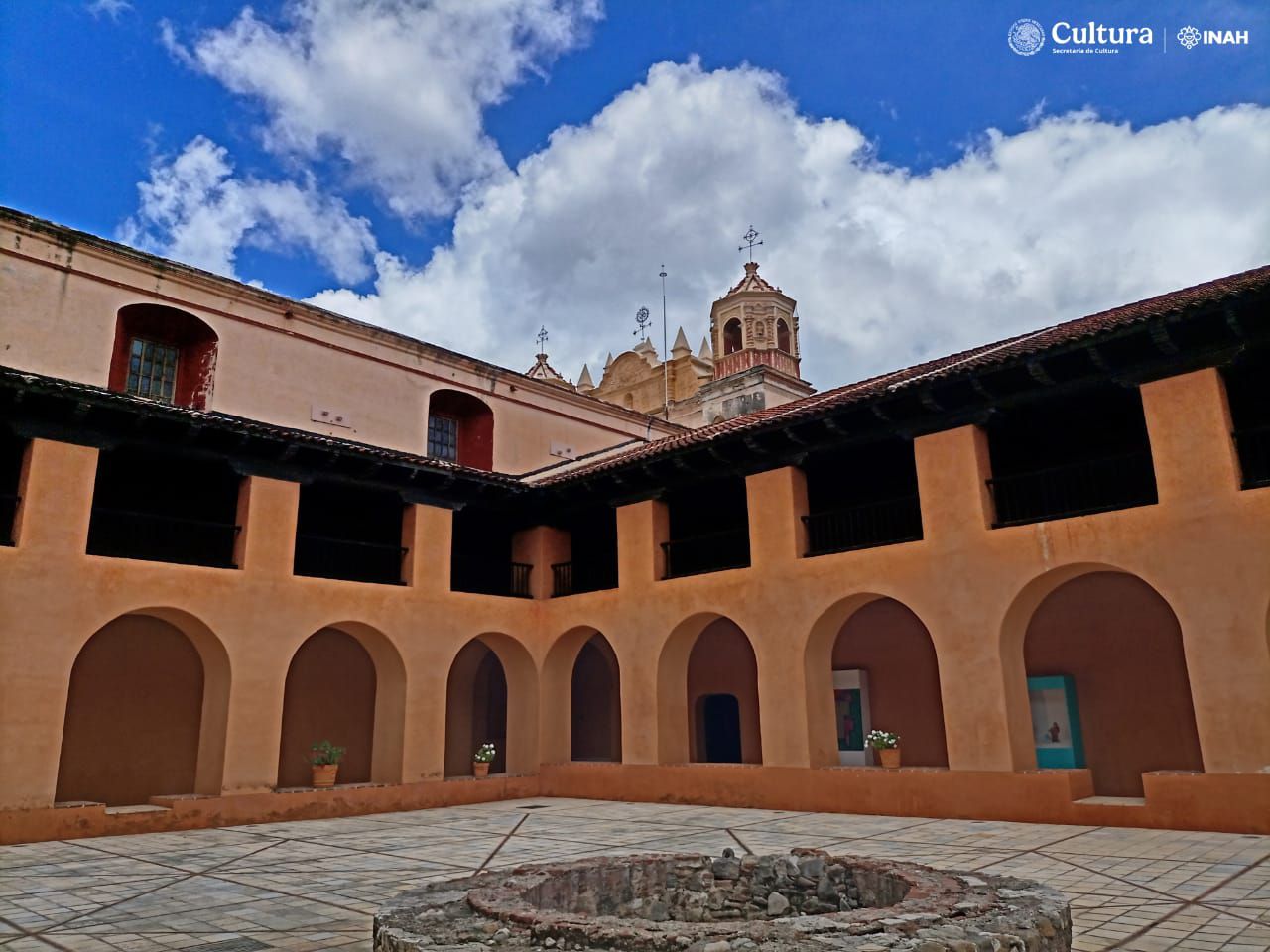
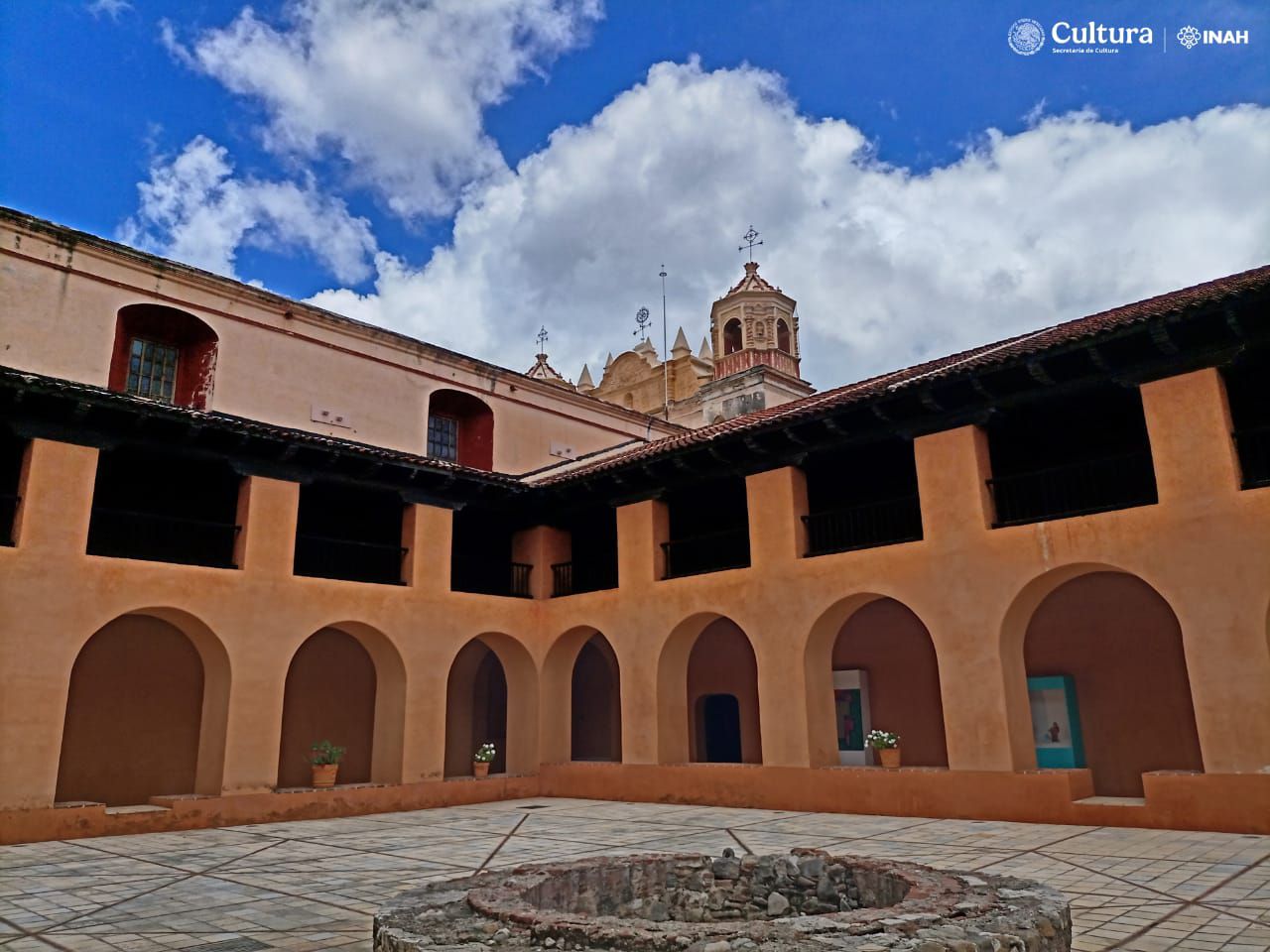
Adjacent to the Temple of Santo Domingo, this colonial building once served as a military barracks during the government of Venustiano Carranza and played an important role during the Cristero period. Founded on July 1, 1984, it was consolidated as a museum in 1988 and, after remaining closed for some time, reopened to the public on October 31, 2012.
The museum’s curatorial narrative explores the historical development of the region through archaeological and colonial collections, 19th-century artifacts, and religious art. It also highlights the historical significance of the building within the society of San Cristóbal de Las Casas.
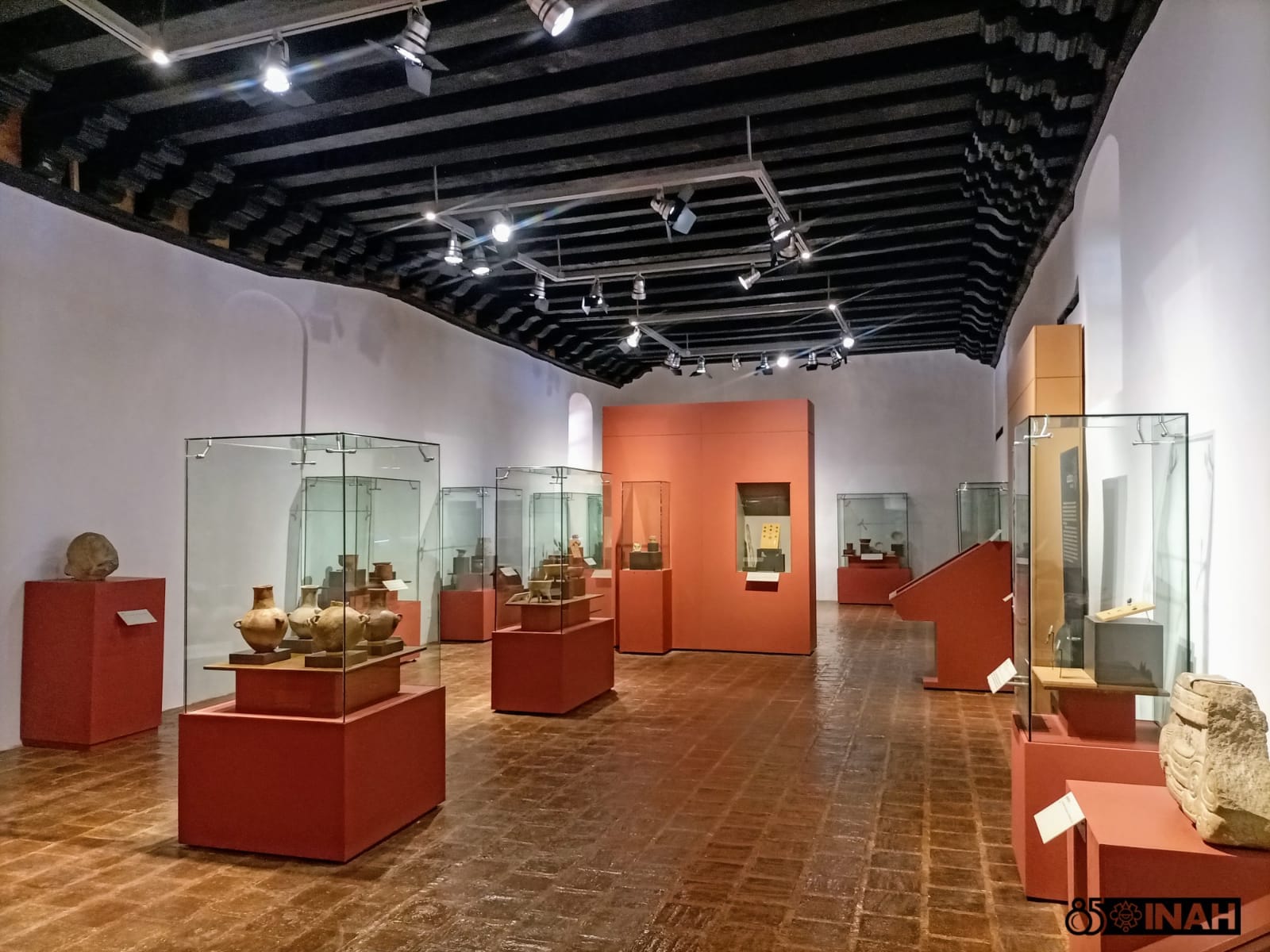
On the ground floor, three spacious permanent exhibition galleries present a scientific and evocative journey through the construction and recovery of the historical memory of San Cristóbal de Las Casas. The exhibition is organized around six major themes.
The galleries begin with the geography of the Maya world and the archaeology of the Chiapas Highlands, followed by objects related to the region’s pre-Hispanic textile traditions. The exhibition then explores the arrival of the Spanish and the founding of Villa Real, along with other aspects of the colonial period experienced throughout the region.
The third gallery focuses on evangelization, the establishment of the Dominican Order and other religious orders, and the role of the Virgin Mary during the evangelization process. It also examines how the Dominican Order gradually gained influence and became an important center of power in Chiapas.
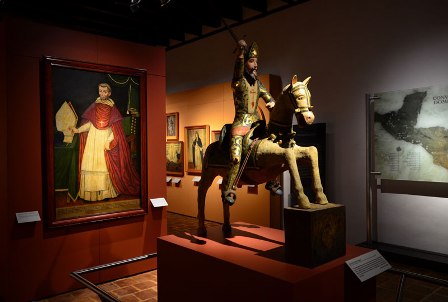
This section highlights the establishment of the Diocese of Chiapas and the figure of Bishop Fray Bartolomé de las Casas, as well as his renowned work, History of the Indies. It also explores the presence of other religious orders that settled in the Province of Chiapas.
Among the museum’s notable holdings is a collection of silverwork from the diocese, associated with Bishop Rodrigo Aguilar Martínez of San Cristóbal de Las Casas, as well as an important collection of paintings from the museum’s own holdings and the Regional Museum of Chiapas.
The final section briefly explores the founding of the city, its architecture, and its urban development. The museum’s curatorial work was carried out by the National Coordination of Museums and Exhibitions, with the support of the General Directorate of Mexico’s National Institute of Anthropology and History (INAH) and the INAH Center in Chiapas.