National Museum of Metalwork
The Shapes and Colors of Iron
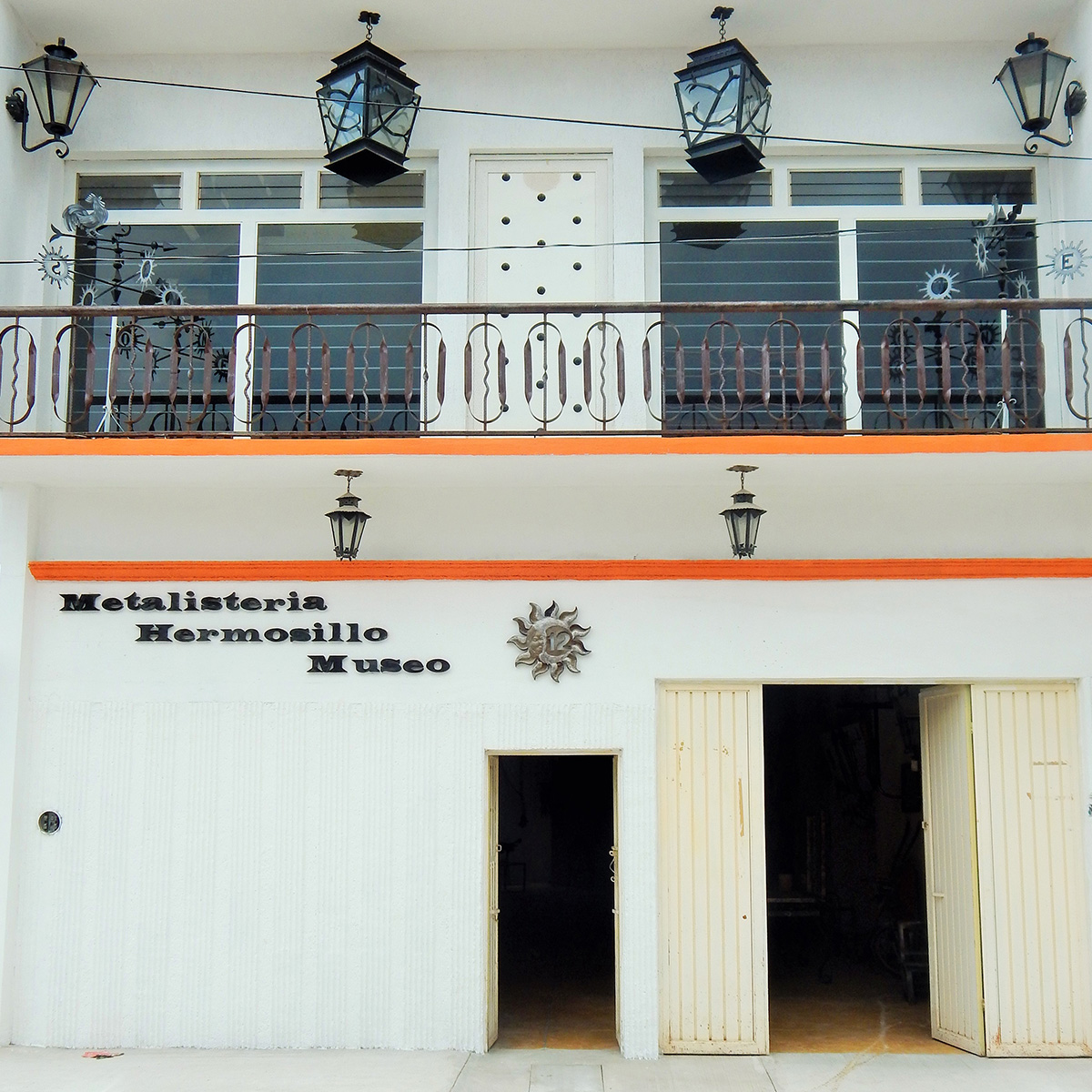
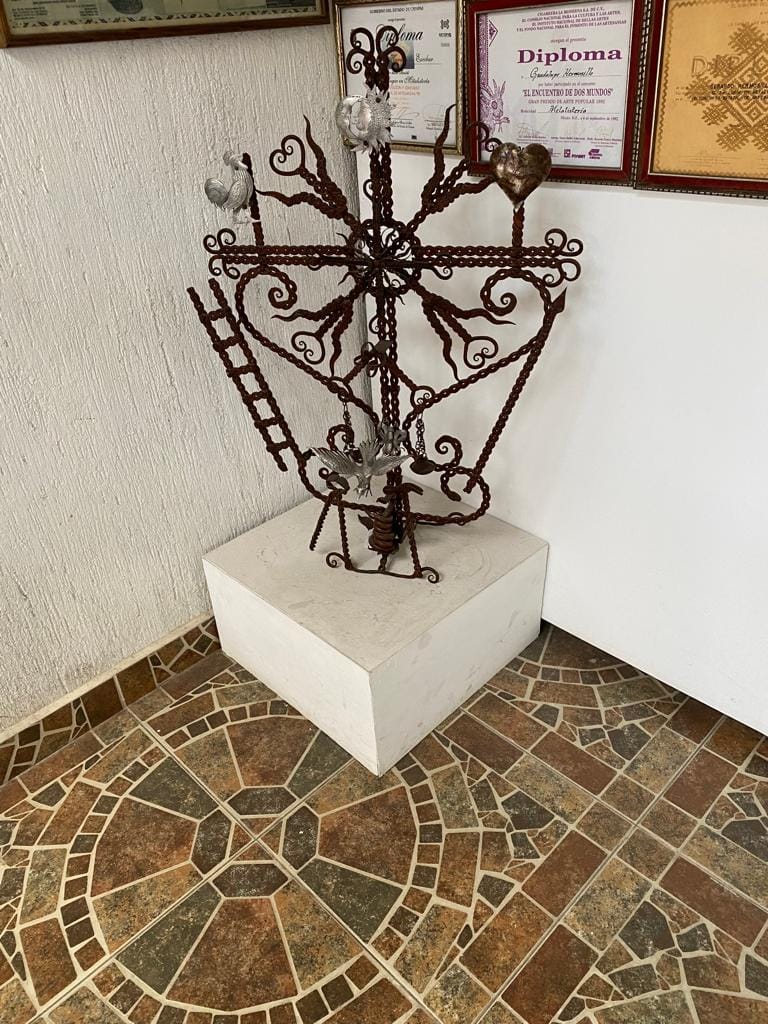
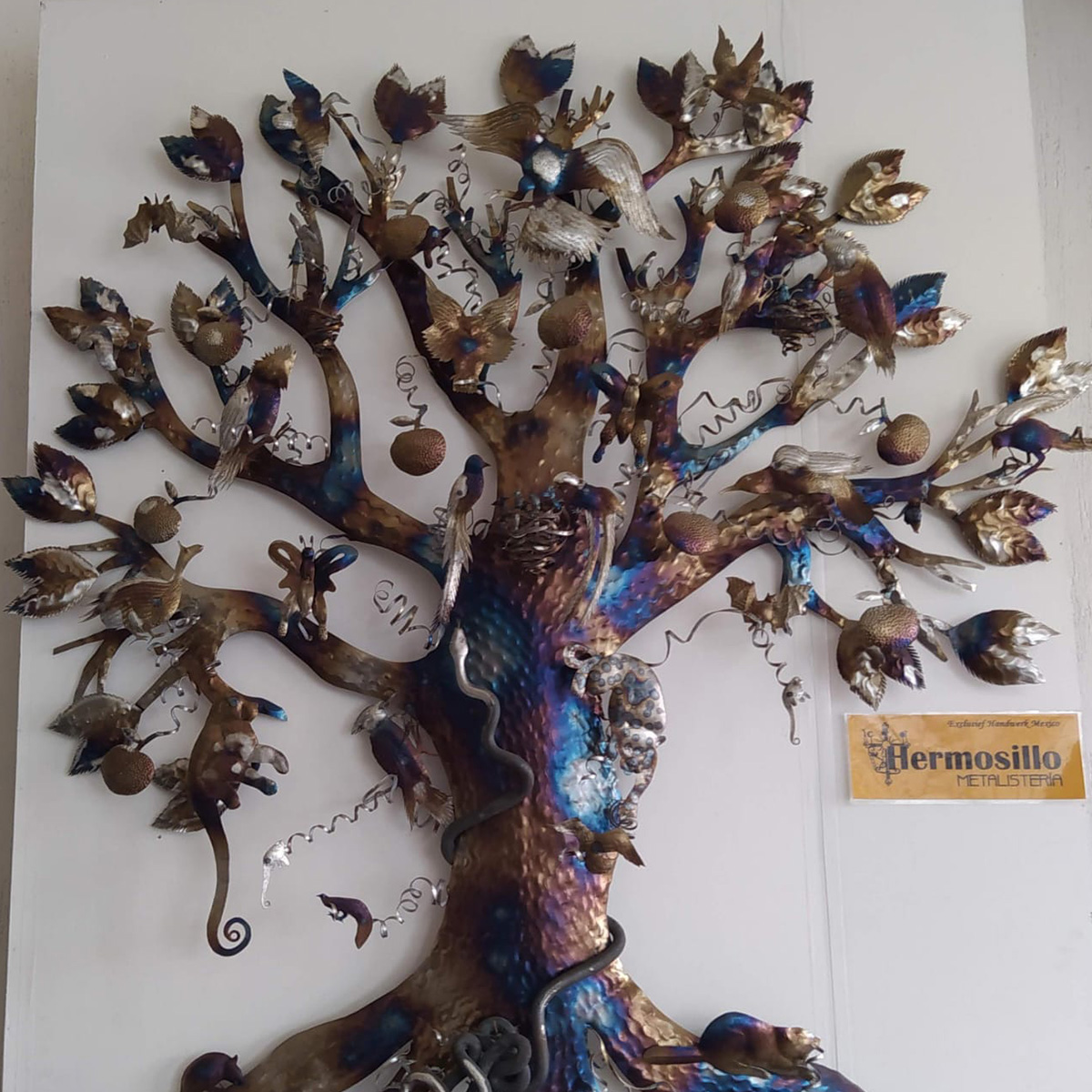
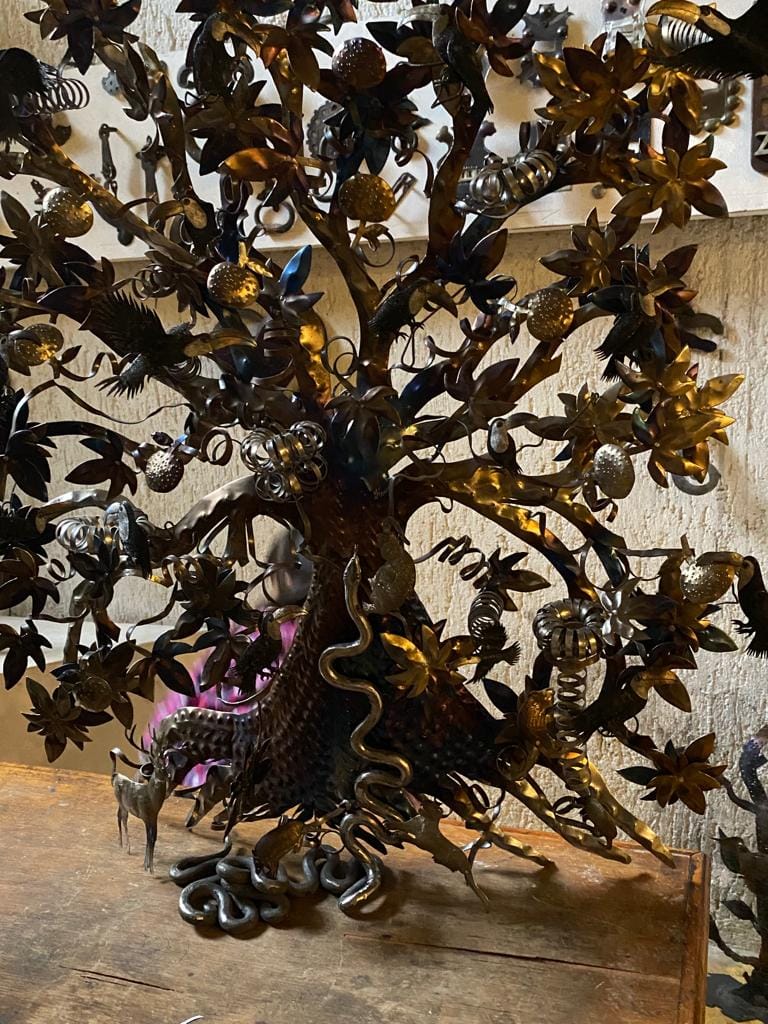
The National Museum of Metalwork seeks to promote and preserve an art form that has gradually declined over the years: metalworking. Inside the museum, visitors can discover a variety of works crafted in metal, including “The Cross of the Passion of Christ,” “The Tree of Life,” antique locks and padlocks, and the largest metal Catrina created to date, along with many other remarkable pieces that form an important part of the museum’s collection.
These works were created by master artisan Guadalupe Hermosillo, who uses different techniques to give the metal a variety of tones, transforming each piece into a true work of art.
In San Cristóbal de Las Casas, Chiapas, metalworking developed as an important traditional craft in El Cerrillo, one of the city’s oldest neighborhoods. Located on a small hill with natural springs, the neighborhood is also known for its emblematic street, “La Cola del Diablo” (“The Devil’s Tail”).
It was here that, to the rhythm of hammer and chisel, artisans shaped door knockers, decorative hardware, and elaborate crosses that crowned the town’s red-tiled rooftops and were traditionally believed to offer protection from strong winds.
Guadalupe Hermosillo Escobar has dedicated himself to metalworking for more than 20 years. Originally from Tapachula, he has lived for many years in San Cristóbal de Las Casas, a city he considers his adopted hometown.
Through years of dedication and experimentation, Master Hermosillo has learned to use fire to give iron a remarkable range of colors, including deep blue, silvery white, gold, and red, among others.
Using these techniques, he has created metalwork pieces of significant artistic value and has participated in major competitions, earning numerous awards and distinctions throughout his career.
Among these recognitions is the “Fray Bartolomé de Las Casas” Award, one of the highest honors granted by the Government of the State of Chiapas to outstanding artisans.
His work has also been recognized by Fomento Cultural Banamex, which included him in its publication Great Masters of Mexican Folk Art, among other distinctions.
The museum also houses the artisan’s workshop, where visitors can learn more about the process behind each piece, discover the techniques and tools used in metalworking, and gain a better understanding of the time, skill, and dedication required to create each work of art.