







-(1)-(1).png)


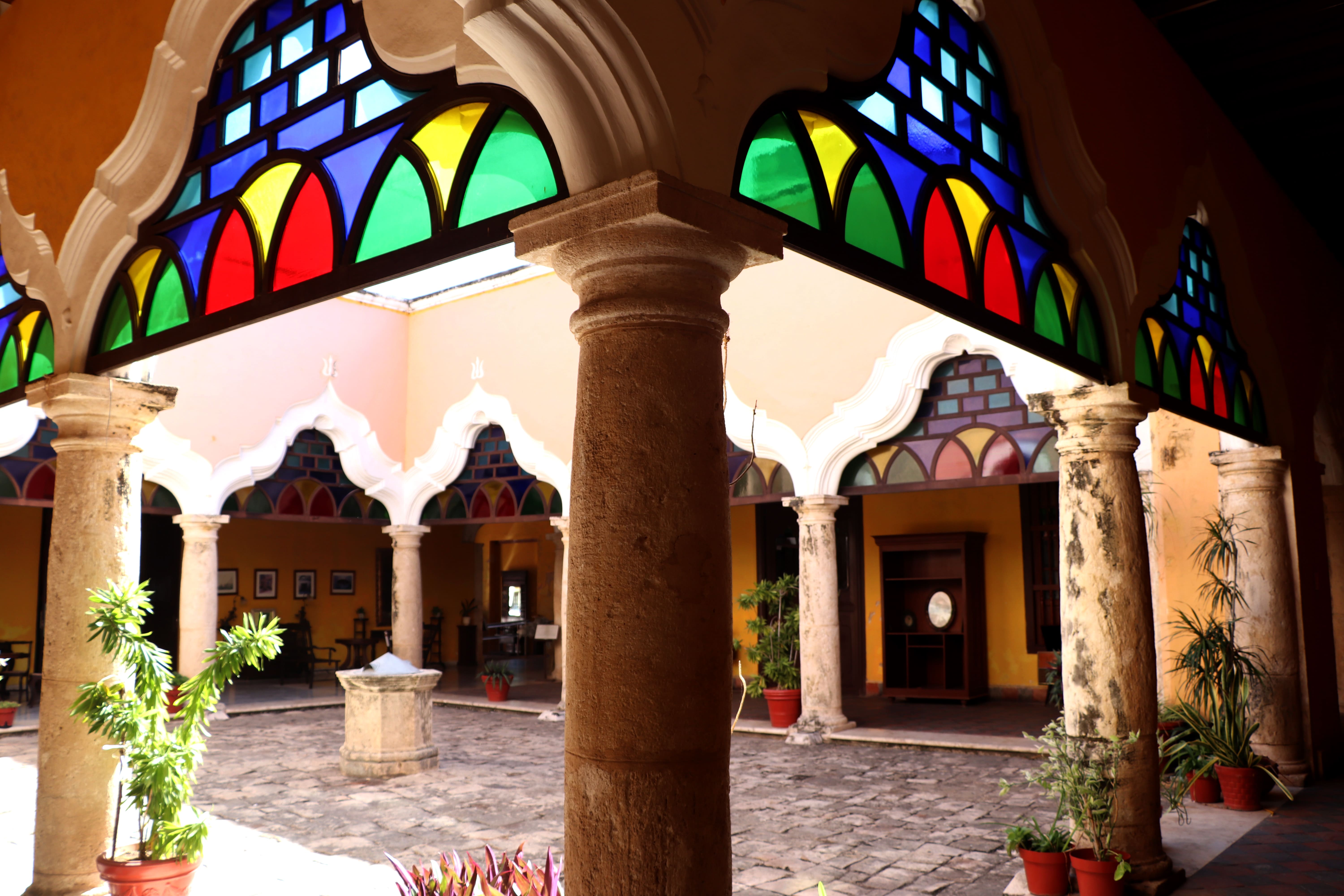
Centro Cultural Casa No. 6
La Casa No. 6 es una elegante residencia virreinal del siglo XVIII que te sumerge en la vida cotidiana de la alta sociedad campechana colonial.
La Casa No. 6 es una elegante residencia virreinal del siglo XVIII que te sumerge en la vida cotidiana de la alta sociedad campechana colonial.

Historically, the Zócalo has witnessed many of Mexico’s most significant events. During the pre-Hispanic era, it served as the ceremonial center of Tenochtitlan, where rituals dedicated to Mexica deities took place. Following the Spanish conquest, the square became the political and social heart of the new city, hosting viceregal proclamations, national celebrations, and public demonstrations.
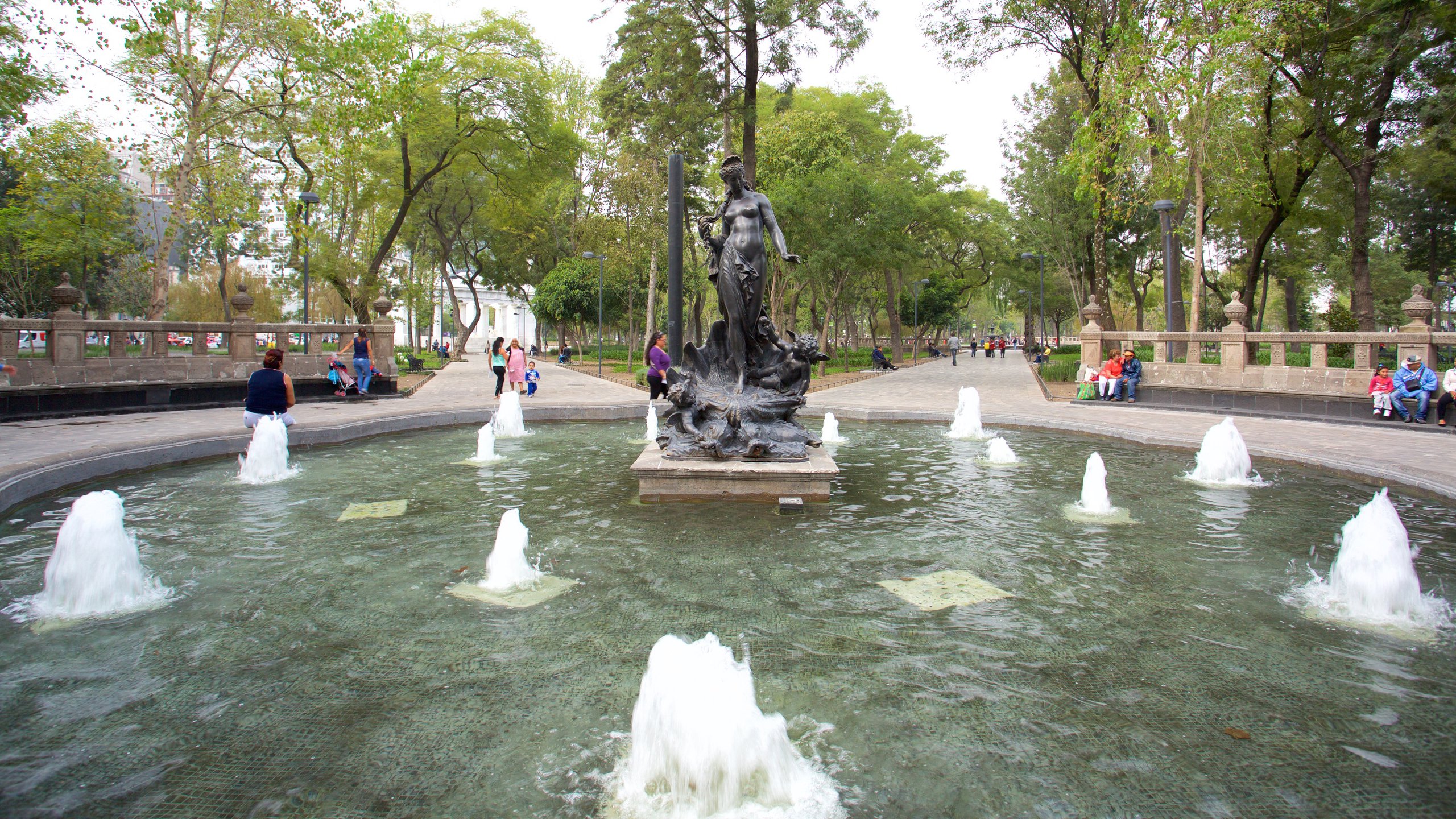
La Alameda Central es un parque público situado en el centro histórico de la Ciudad de México, reconocido como el jardín público más antiguo de América. Su origen se remonta a 1592, cuando el virrey Luis de Velasco II ordenó su creación como un espacio de esparcimiento para los habitantes de la ciudad. Inspirado en la Alameda de Hércules de Sevilla, España; el parque ha sido testigo de la evolución urbana y social de la capital mexicana a lo largo de los siglos.
A historic Methodist church in the old grand cloister of San Francisco.
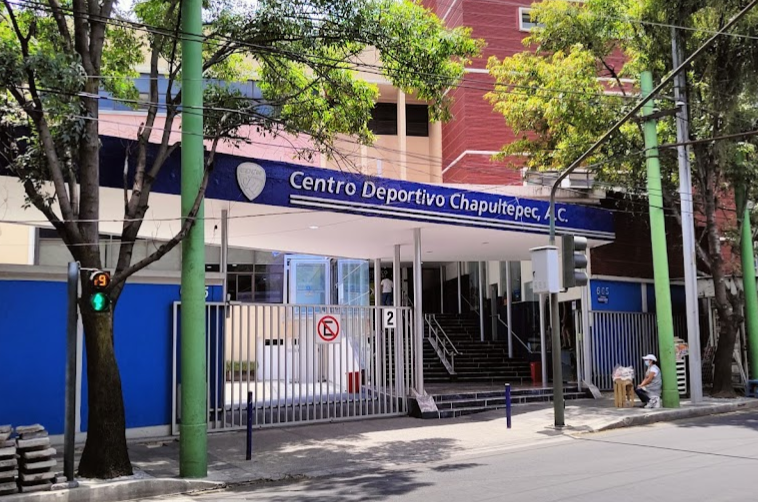
One of Mexico City's oldest traditional training and sports facilities.

Exhibitions allow us to understand the evolution, development, and social significance of the automobile since its emergence in the early 20th century.
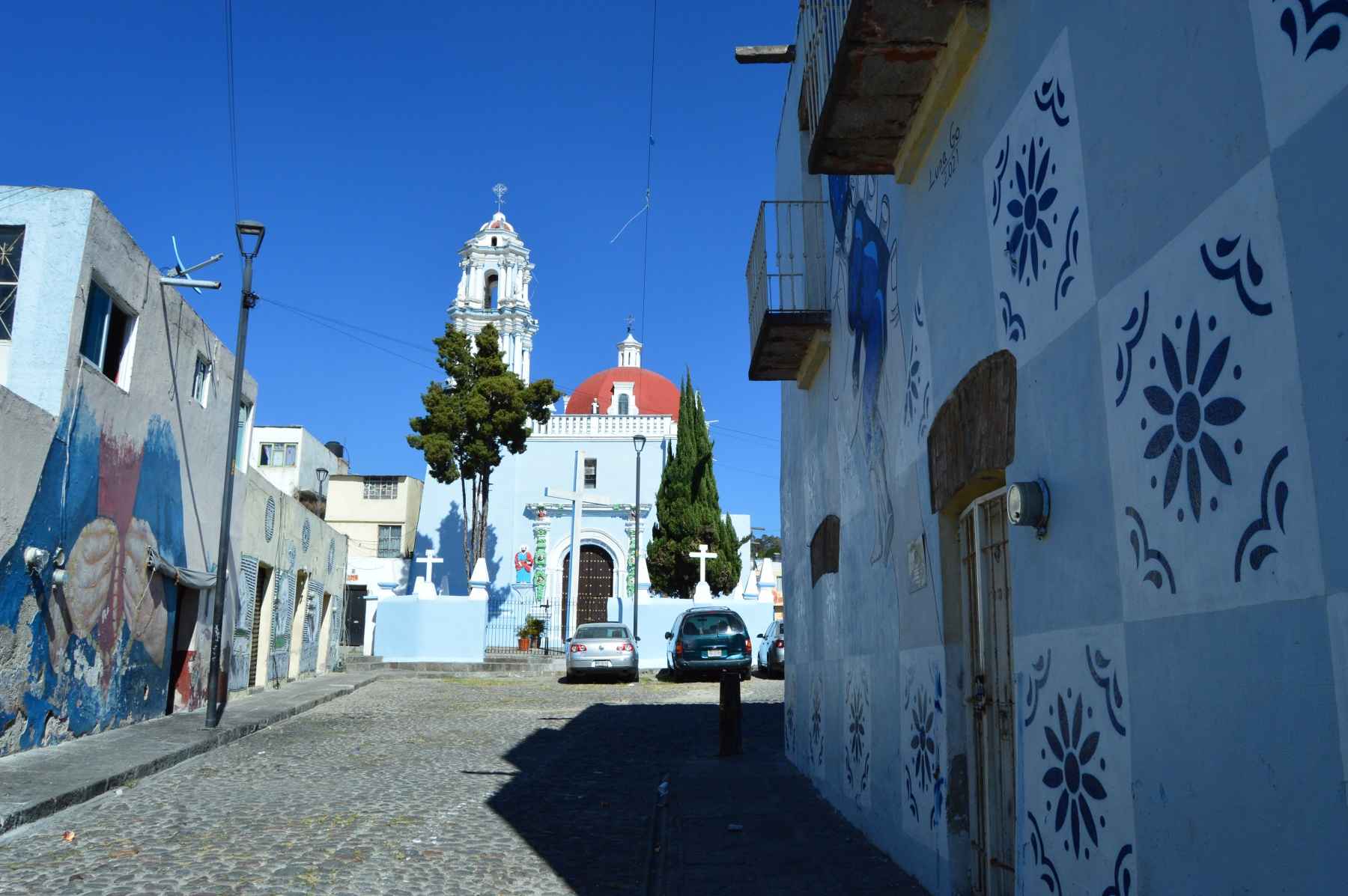
Xanenetla is the neighborhood that tells stories through its walls. A journey full of color, community art, and tradition that reveals the creative and social heart of Puebla.

An initiative in Coahuila de Zaragoza that promotes inclusion in the tourism sector through training in Braille, accessible signage, and experiences for people with visual impairments.
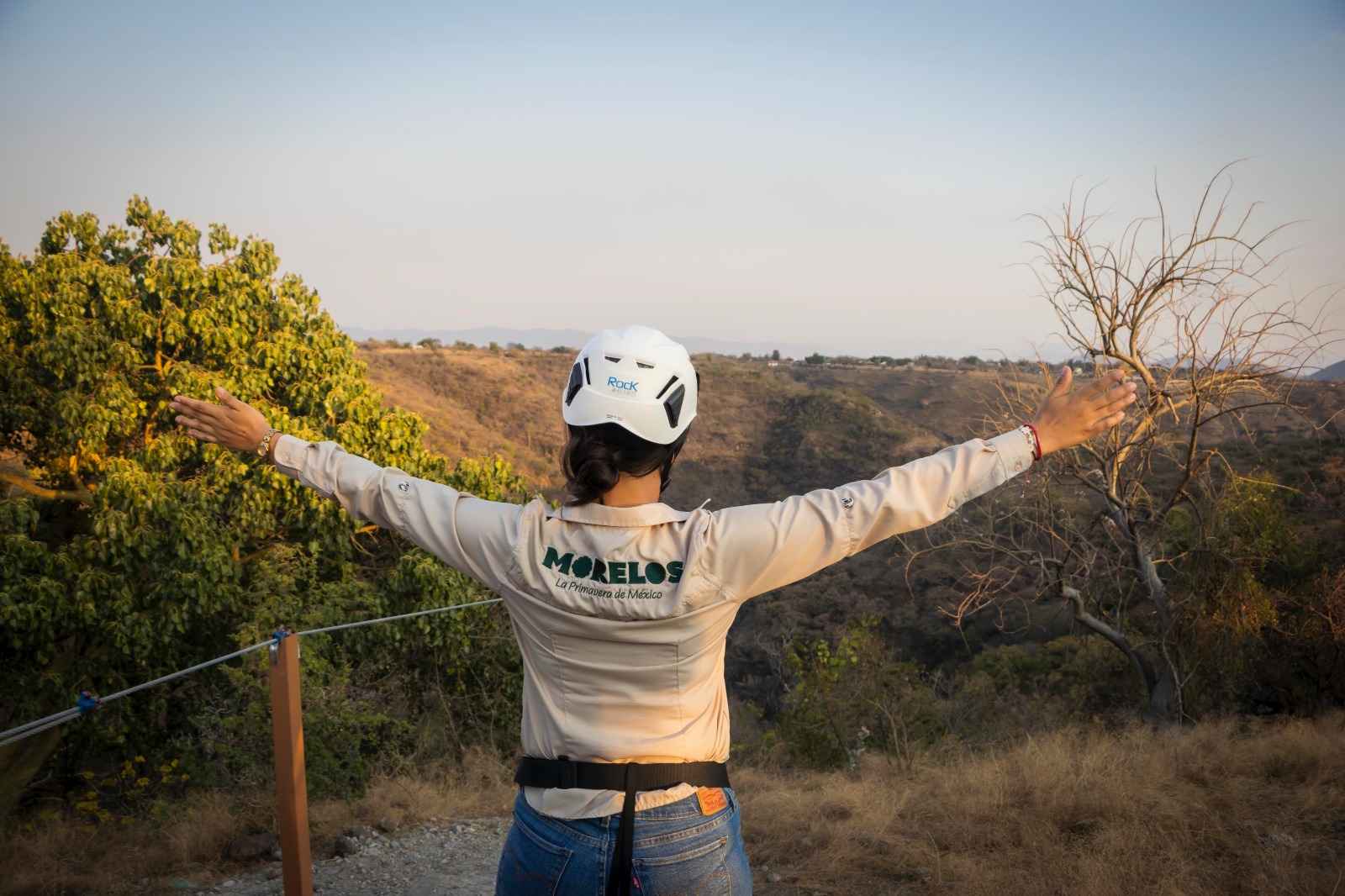
An initiative in Morelos that promotes social tourism with an educational and sustainable approach, facilitating access for vulnerable groups to the state’s natural and cultural heritage.