Cerro de Teúl
Continuously inhabited for 1,600 years, there's nothing like the ancient and windswept view from high above the lower Tlaltenango valley.
_gmxdot_png)
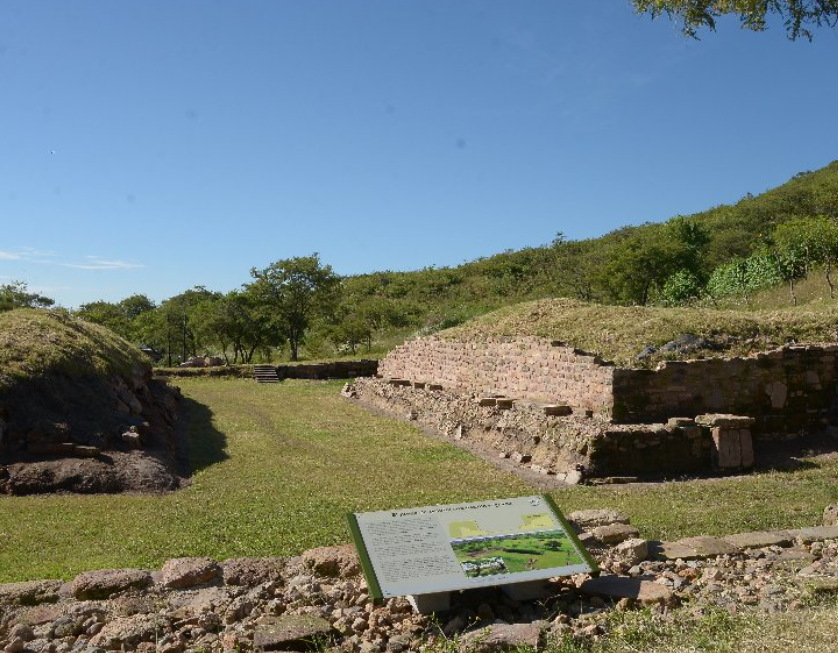
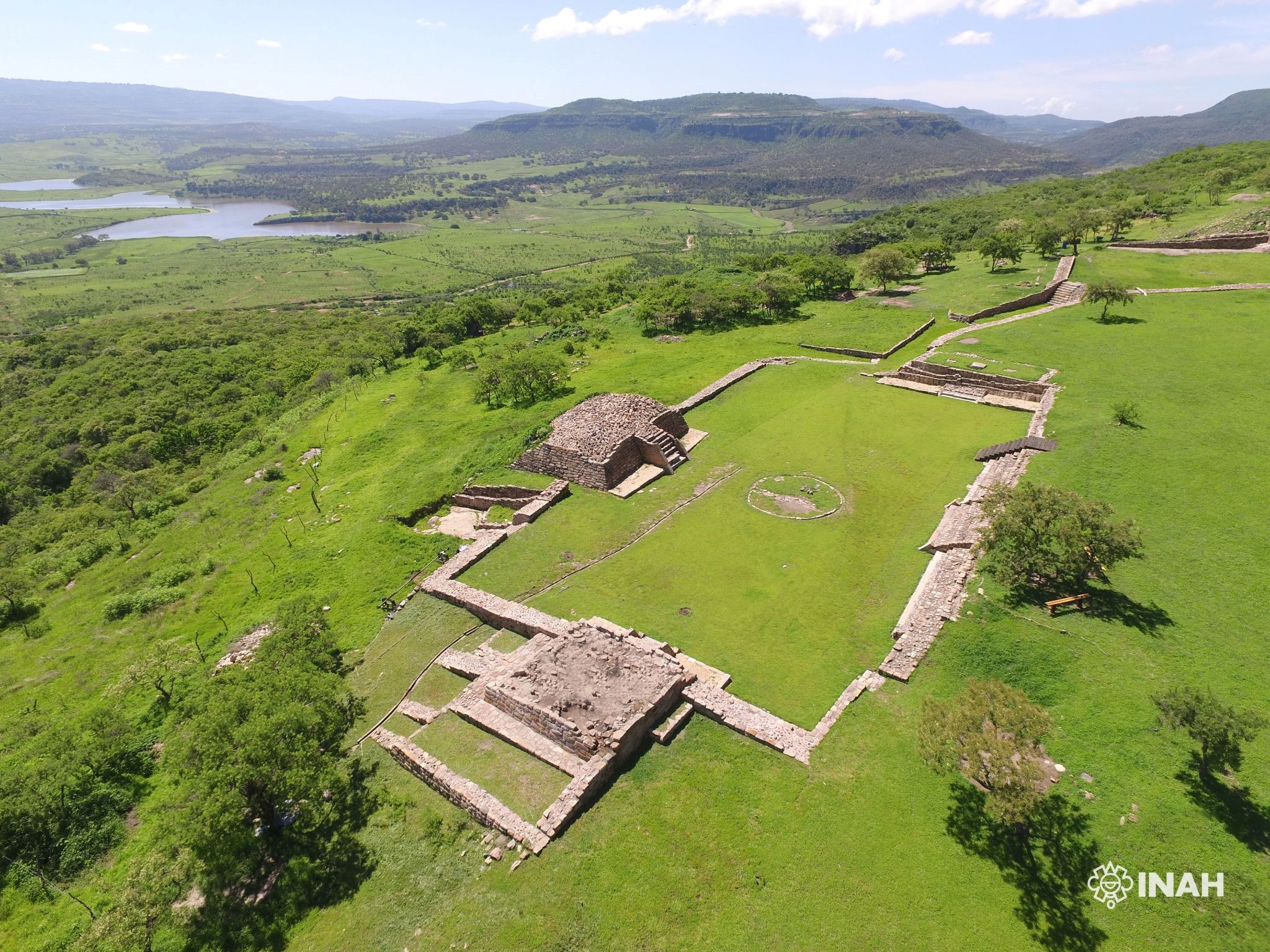
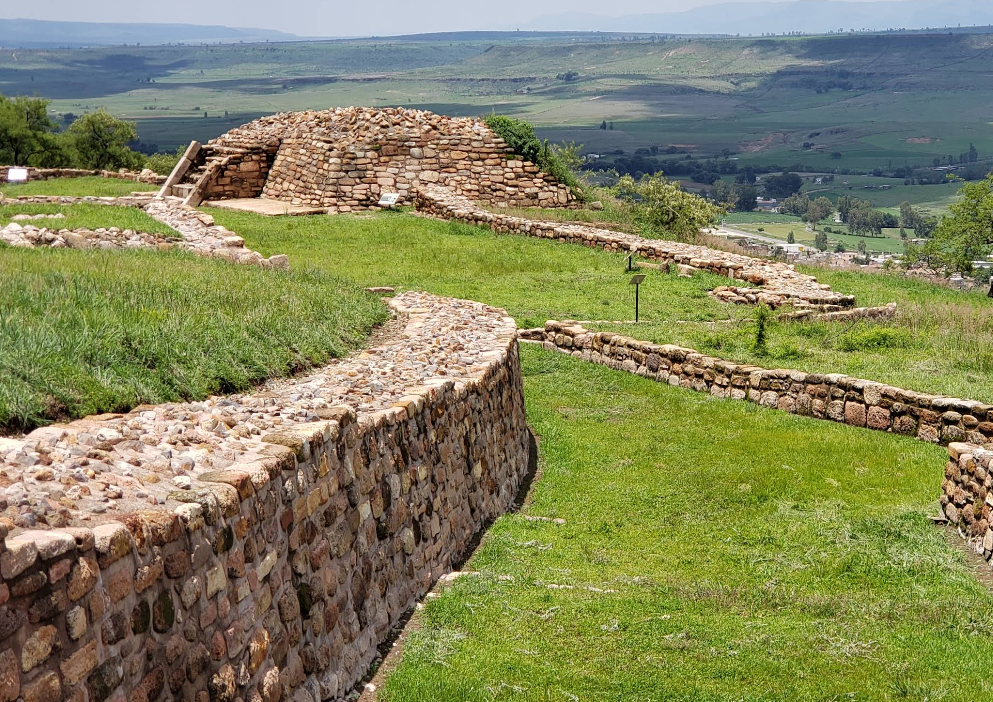
The Cerro de Teúl archaeological area is a major excavation site of the remains of a continuously inhabited civilization that survived here for some 1,600 years. The earliest recorded evidence of civilization in Zacatecas, the site perches high on a hill above the southern edge of the town of Teúl de González Ortega.
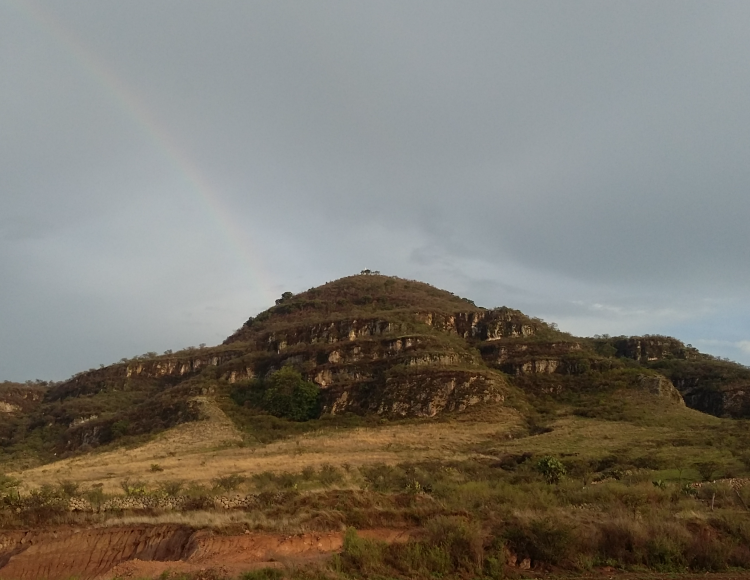
The cerro is in the foothills of the Sierra Madre Occidental. The Tlaltenango Valley hosts one of the main ceremonial centers in southern Zacatecas and geographically and culturally, the site shares many features of the material culture of other societies in what are today Jalisco and Nayarit. The hill was already very old when people arrived to the area. They practiced a funerary ritual that left shaft tombs, some of which have been excavated near the site.
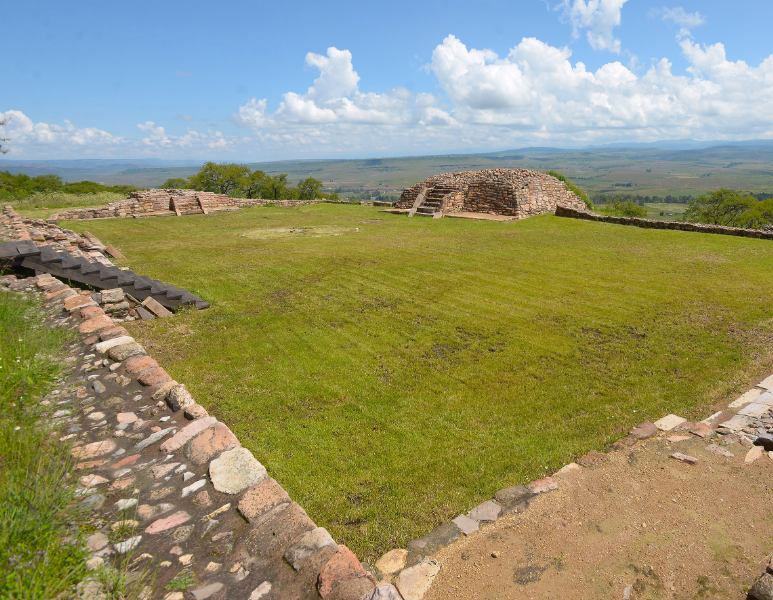
The main plaza was the site of religious ceremonies related to cosmogonic mythology. Two pyramidal bases share a staircase flanked by tiered seating. At the base of this structure runs a canal that symbolized the aquatic serpent of the underworld. Defeated by the sun, this defeat gave rise to complementary opposites such as night and day, up and down, and drought and rain. Evidence found on site indicates that the civilization here benefited from long-distance trade networks. Around the 7th century CE, the ceremonial center was established on the northeastern edge of the hill. Within a few hundred years, some originally isolated buildings were integrated into a circuit connecting the different architectural complexes. The city's greatest period was between the 10th and 13th centuries CE.
The Spanish arrived, somewhat later, to find the city still functioning as a place of worship. At that point it was inhabited by Caxcane peoples, a Nahuatl-speaking group who lived here for its final two centuries. Unfortunately it was destroyed by the Spanish authorities, and then abandoned.
People arrive today, chiefly from the town to the north. But visitors will arrive especially from Guadalajara and the Tequila region to the southeast. Rojo de Los Altos buses make the four-hour trip from Guadalajara multiple times daily.
Hours: Tuesday through Sunday, 9 a.m. to 5 p.m.








-(1)-(1).png)