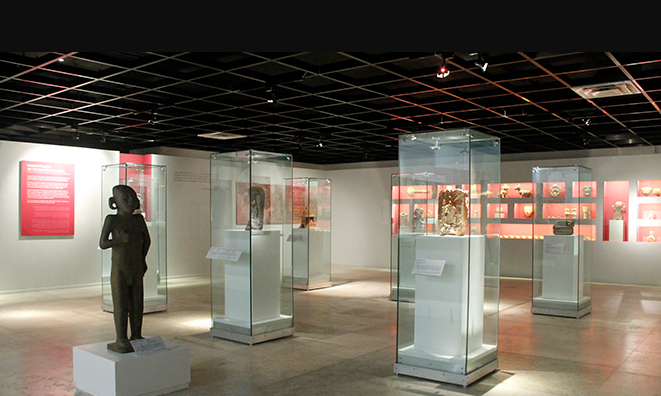
Carlos Pellicer Regional Museum of Anthropology
Easily the most important museum in the state capital, it's a tribute to its historic director, and to the cultures and peoples of southeastern Mexico.
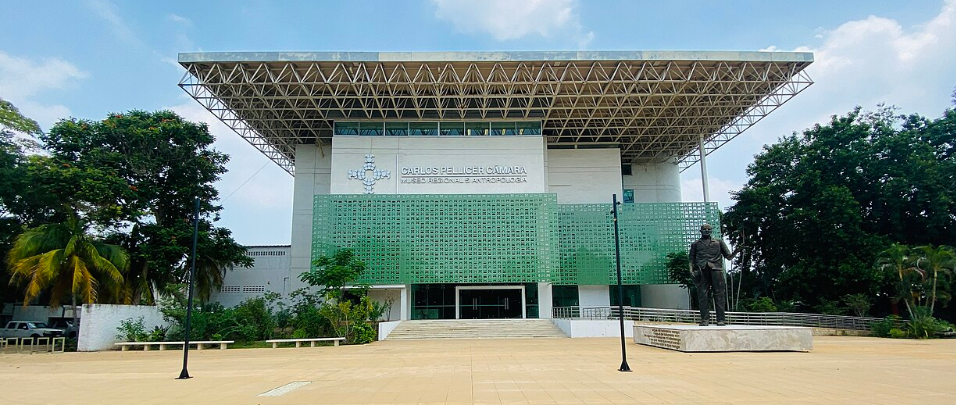
The Carlos Pellicer Regional Museum of Anthropology is an important museum in the city of Villahermosa, the state capital of Tabasco. It's widely considered the second most important museum of its kind in Mexico, after only the main Anthropology Museum in Mexico City.
The museum is named for the renowned statesmen and poet who re-organized the layout of the Mexico City museum in collaboration with architect, and Pellicer's former student, Pedro Ramírez Vázquez. Pellicer's childhood home is also, somewhat confusingly, a museum in Villahermosa. That museum is dedicated to Pellicer's life and considerable work, although he rather famously lived, at one point, in the stairwell of the original Museo de Tabasco when he was designing it in the 1950s. This museum eventually replaced that original where Pellicer had been director for some 26 years.
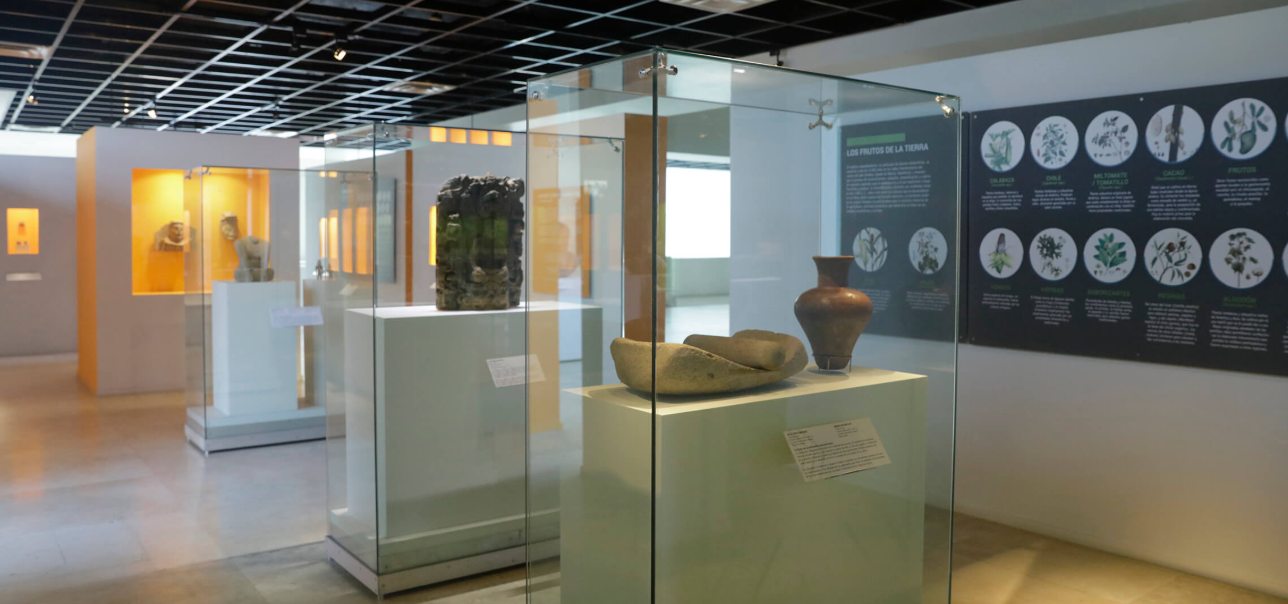
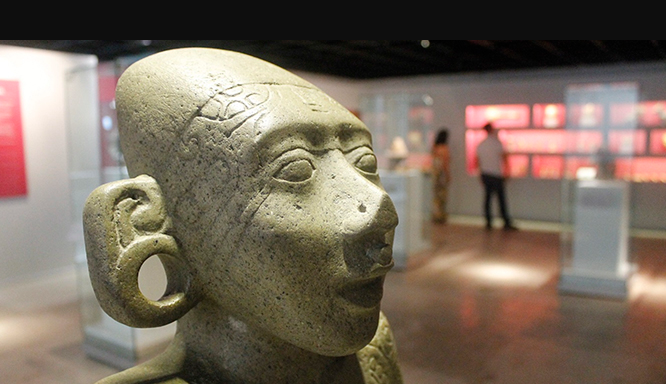
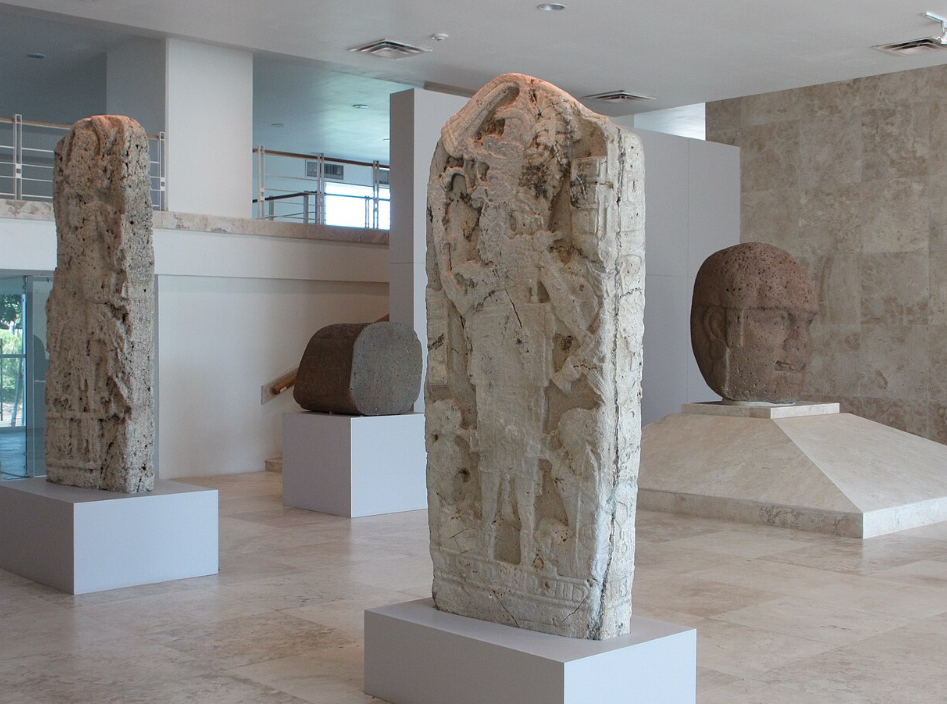
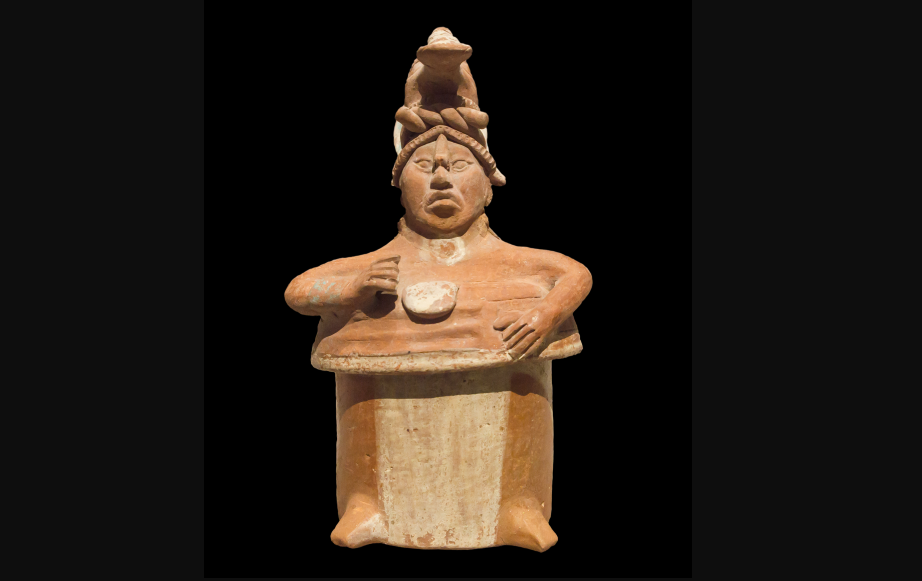
The museum here, on the banks of the river, open in 1980. The collection includes vastly important works of the Olmec, Maya, Zoque, and Nahua cultures who settled over many centuries in the warm tropical zones of Tabasco. Badly damaged by flooding in 2007, it's recovered its status as the most important museum in the state, and for visitors, it's still a place of wonder and discovery.
The museum is essential to research, documentation and preservation of many the objects in the collection and its reach as a research institution extends across much of southeastern Mexico. Visitors can still take in much of the collection in a single day, and walks to and from the museum are a great chance to learn about the area, and to visit many of the other sites and attractions in the immediate area.






-(1)-(1).png)