Villa Tamazulápam del Progreso
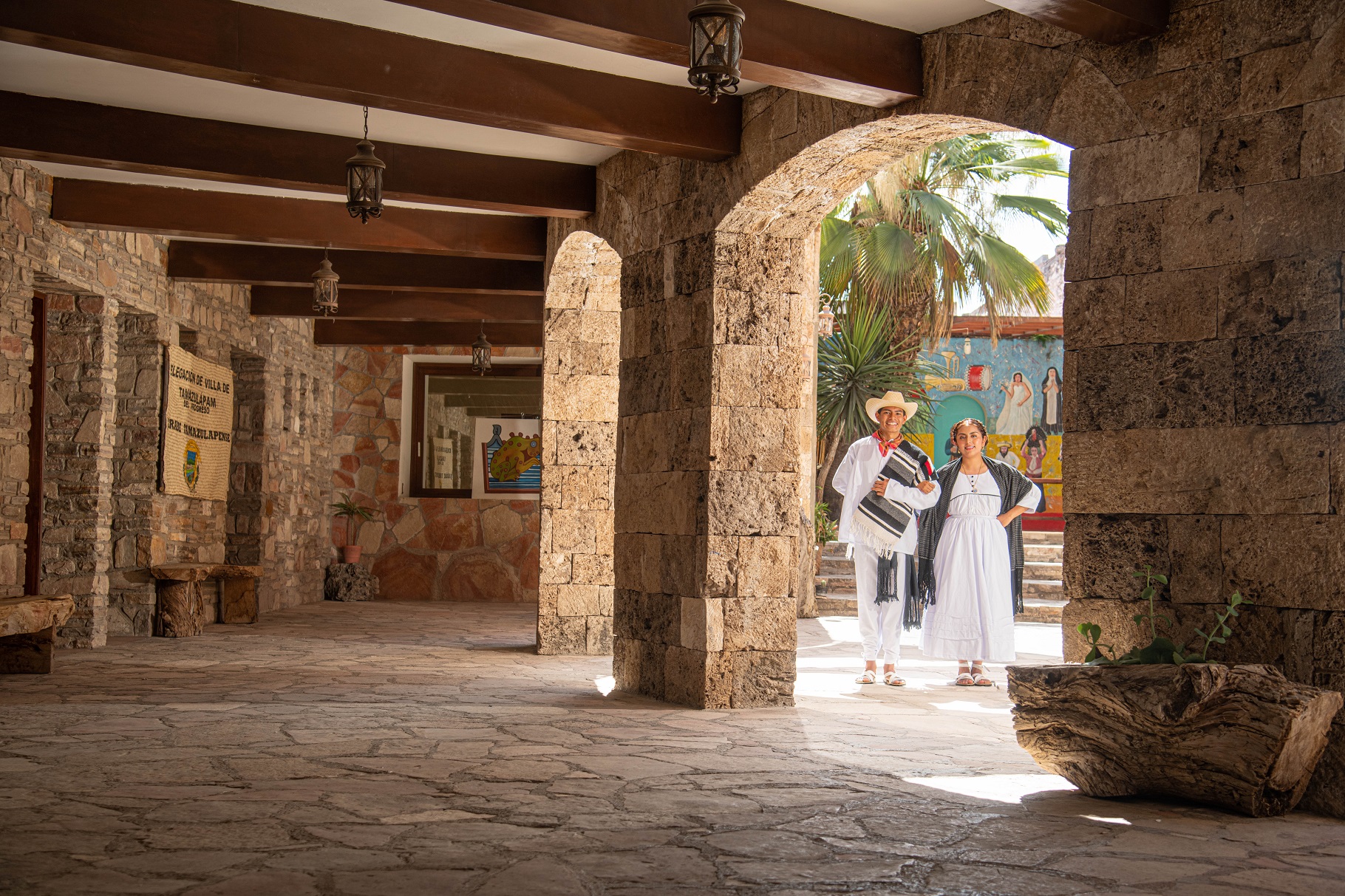
Villa de Tamazulápam del Progreso captivates visitors with the harmony between nature, architecture, and culture that defines this destination in the Oaxacan Mixteca region. Its springs, landscapes, and natural spaces coexist with the beauty of its historic architecture, while its traditions, cuisine, and community life preserve the essence of a land rich in identity. It is a place to discover at a leisurely pace and to enjoy the cultural and natural wealth of Oaxaca.
With its blend of natural landscapes, historic architecture, and traditional flavors, Villa de Tamazulápam del Progreso offers an experience that allows visitors to discover one of the communities along the Mixteca Route. Its name, of Nahuatl origin, translates to "River of Toads," and its setting combines spots for relaxation with cultural expressions that are integral to the local way of life.
The journey from the city of Oaxaca to Villa de Tamazulápam del Progreso covers approximately 132 kilometers and takes about two and a half hours, depending on road conditions. To get there, one can take the Oaxaca–Tehuacán highway, continue toward Nochixtlán, and then follow the road leading to Tamazulápam. The route allows travelers to immerse themselves in the landscapes of the Mixteca region and discover various local communities along the way.
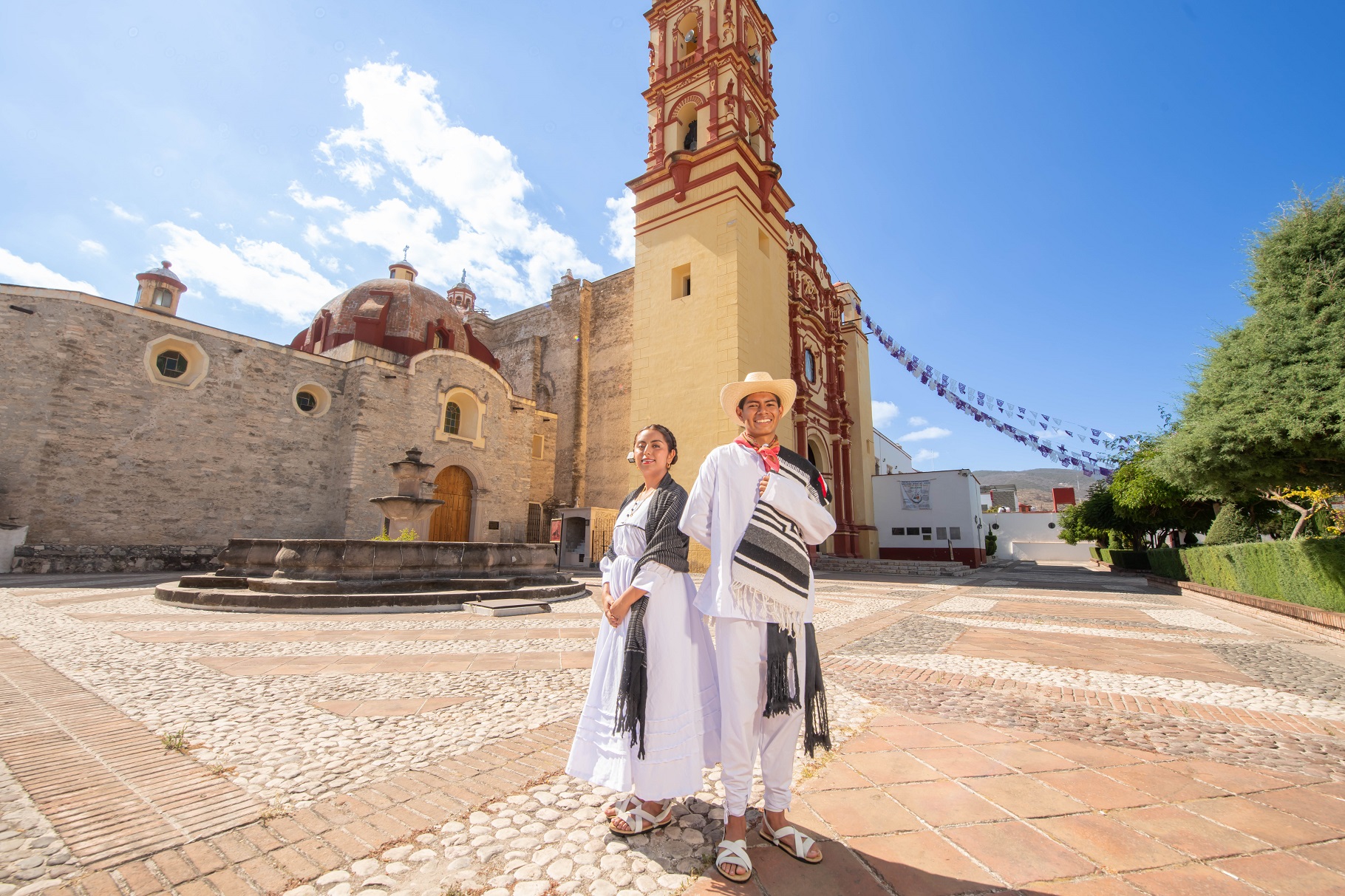
One site that reflects the town's historical heritage is the Parish Church of Santa María de la Natividad; built in the 16th century, it retains elements of the Baroque style. Its façade features a semicircular arch and niches containing carved images of saints. Inside, two antique pipe organs stand out—one monumental and one for processions; the latter is a notable example of such instruments preserved in Mexico and remains part of the church's musical tradition.
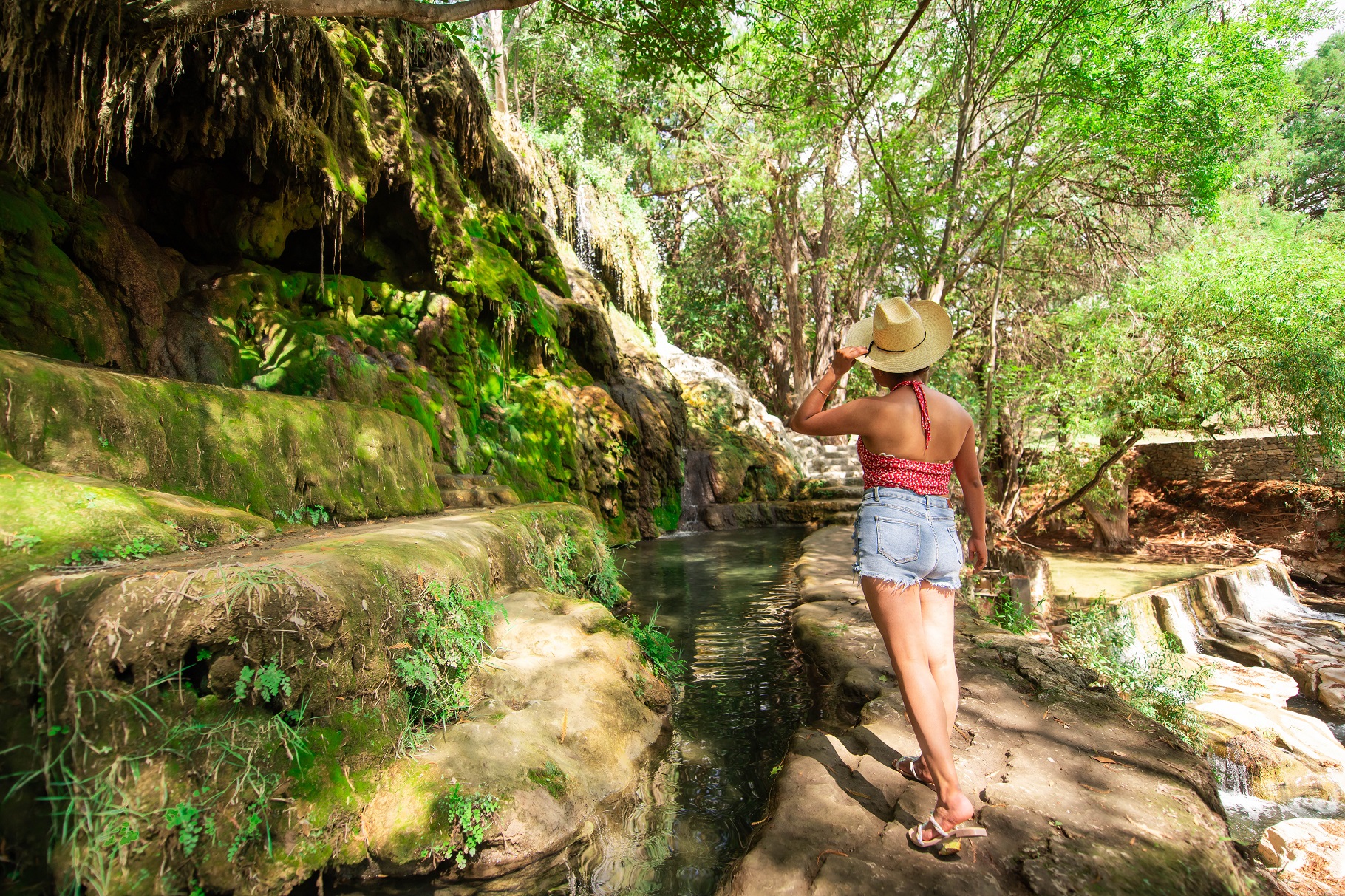
Nature also plays a significant role in the Tamazulápam experience. The springs are among its most famous attractions: natural water sources that feed ponds and canals, creating a landscape perfect for resting and enjoying the surroundings. The area features green spaces, an ancient *ahuehuete* tree, and habitats that shelter various species of birds and fish. These springs have also given rise to natural recreation areas equipped with swimming pools, social areas, *palapas* (thatched-roof shelters), barbecue grills, playgrounds, and amenities for families to spend the day.
For those seeking an experience closer to the landscape itself, "El Cañón" (The Canyon) offers a distinct setting. This geological depression stretches for approximately one kilometer and reaches a depth of about 50 meters. At the lower end of the area flows a river that forms a waterfall and a swimming pool, alongside other natural spots where visitors can admire the surroundings and enjoy recreational activities in nature—always mindful of local conditions.
Another point of interest is the natural swimming area located at the Las Tinitas site, roughly ten minutes from the town center. Nestled amidst lush vegetation, it offers amenities such as a pool, restaurant, cabins, camping areas, barbecue pits, and trails, as well as recreational options like bicycle and ATV tours.
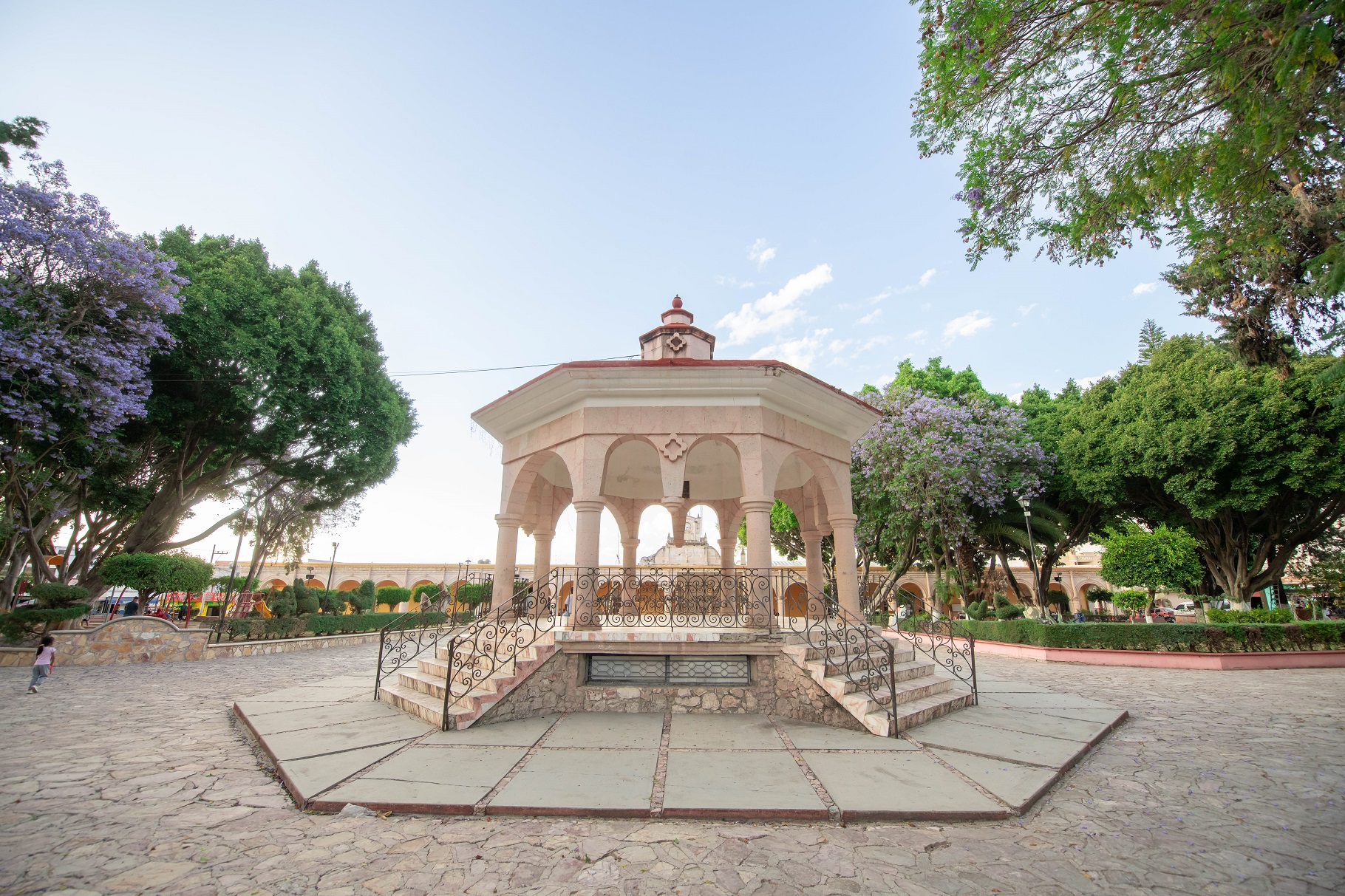
The heart of Tamazulápam also holds elements that speak to its history. Standing out in the Plaza de la Constitución are the pink stone bandstand and the semicircular monument dedicated to Benito Juárez—a space that hosts civic and social events. Just steps away lies the Portal Municipal, renowned for its twenty-five pink stone arches and early 20th-century architecture. Meanwhile, from the viewpoint known as El Mirador, one can observe the town's urban layout and admire the Mixtec landscape, particularly at sunset.
Local cuisine rounds out the experience. Traditional flavors include *mole*, stuffed peppers (*chiles rellenos*), *preguisado*, tamales, *pozole*, and *barbacoa*, alongside sweet and seasonal treats such as pumpkin, sweet potato, pineapple with coconut, nougat, *roscas* (ring-shaped pastries), molded sugar figures, and various fruit-based delicacies. These foods are integral to local culinary customs and offer a way to discover another dimension of Tamazulápam’s identity.
Religious and community traditions play a fundamental role in local life. Throughout the year, celebrations bring residents and visitors together through processions, music, religious observances, and festive gatherings; the festivities dedicated to Santa María de la Natividad are a highlight of the town's calendar. These celebrations reflect how Mixtec communities keep their traditions of social interaction and collective participation alive.
Visiting Villa de Tamazulápam del Progreso means exploring a town where water, stone, architecture, and cuisine are interwoven with community life. From its springs and canyon to its historic sites and gastronomy, this destination offers a unique way to experience the Oaxacan Mixteca, discovering its landscapes and the stories that remain alive in its communities.








-(1)-(1).png)