Recommendations to enjoy the host capital to the fullest
Mexico City will be one of the tournament’s main stages, offering visitors a vibrant mix of history, culture, and football passion.
If you’re visiting the capital during the World Cup, there are experiences you simply can’t miss. From historic landmarks and iconic neighborhoods to unforgettable flavors and traditions, Mexico City has something for every traveler. Discover more experiences and travel recommendations at viveelmundialenmexico.com
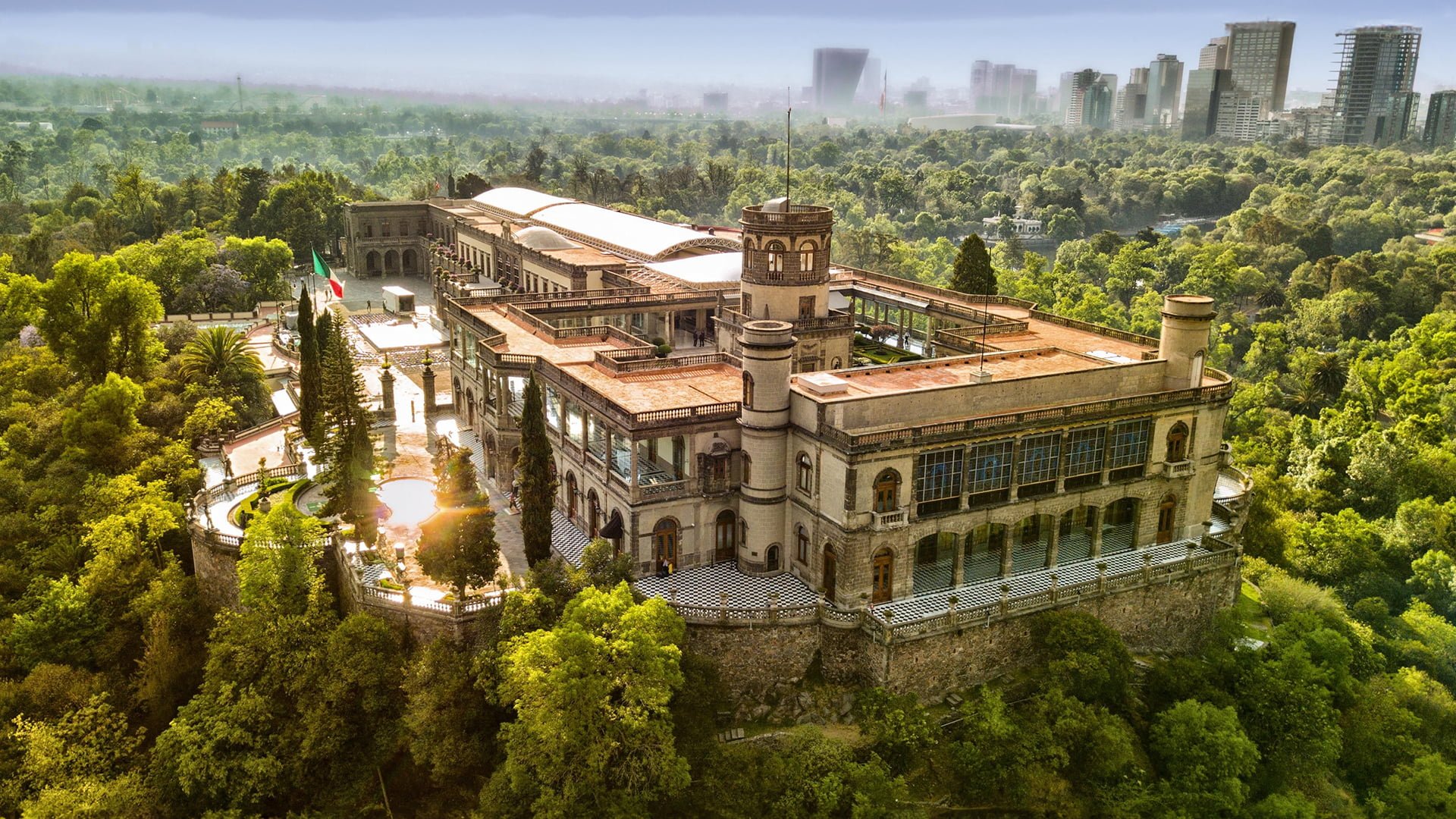
One of the main tourist attractions in Mexico City, located atop Chapulín Hill within Chapultepec Forest. In addition to exploring the castle’s rich history, visitors can enjoy outdoor and cultural activities that enhance the experience. Themed tours and guided visits offer unique perspectives, such as daily life during the Second Mexican Empire or the military history of Chapultepec Military College.

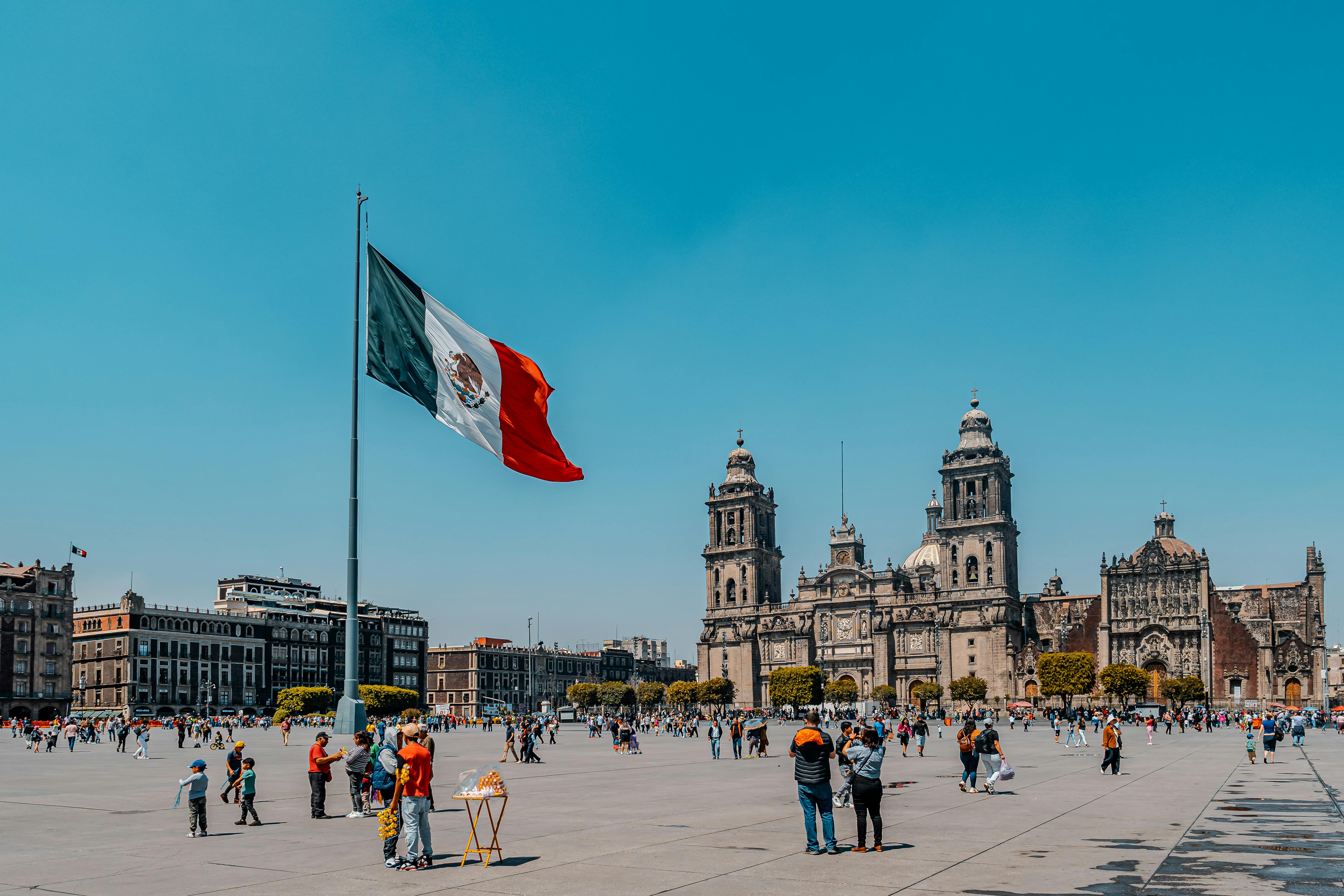
Historically, the Zócalo has witnessed many of Mexico’s most significant events. During the pre-Hispanic era, it served as the ceremonial center of Tenochtitlan, where rituals dedicated to Mexica deities took place. Following the Spanish conquest, the square became the political and social heart of the new city, hosting viceregal proclamations, national celebrations, and public demonstrations.
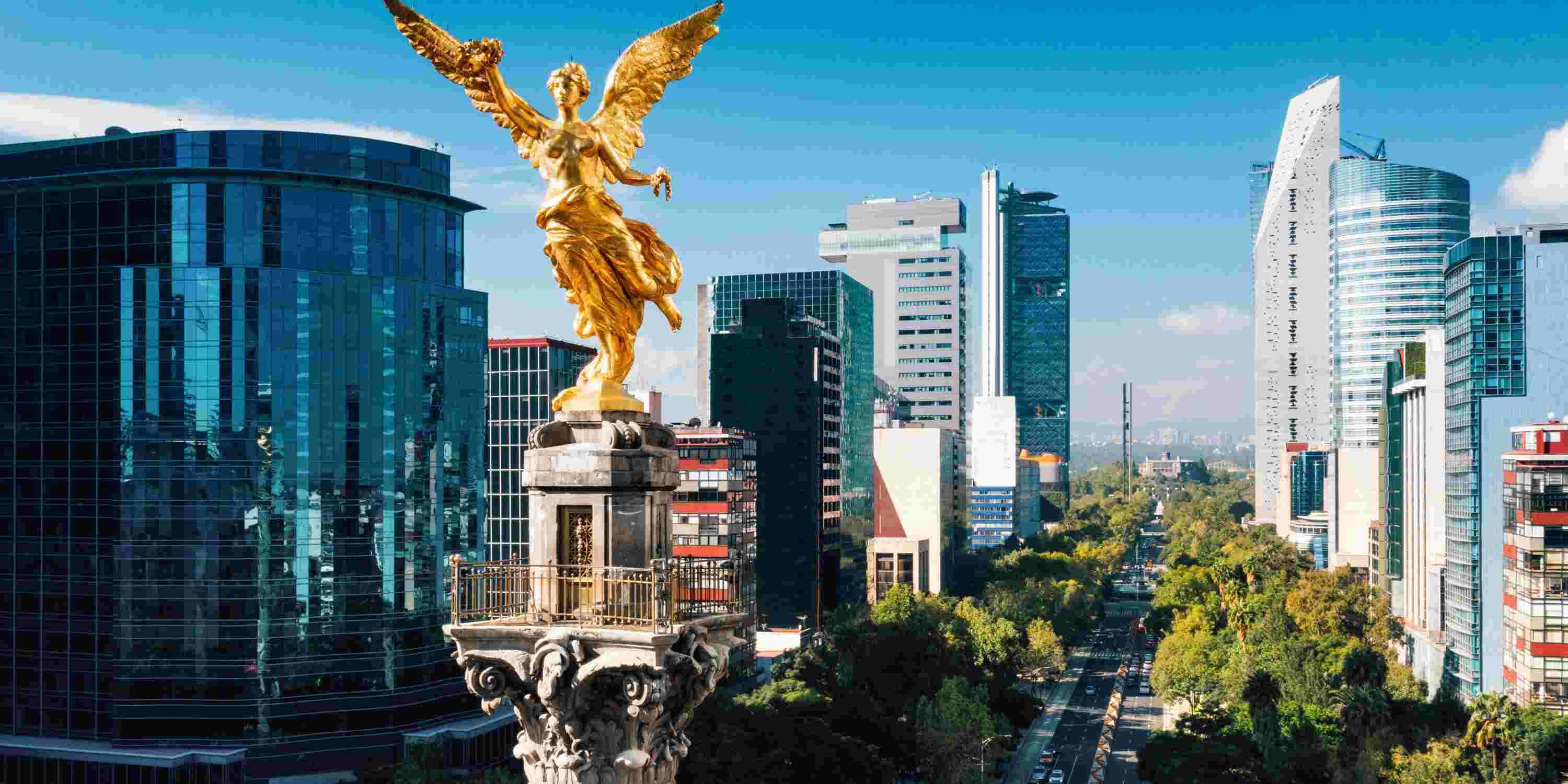
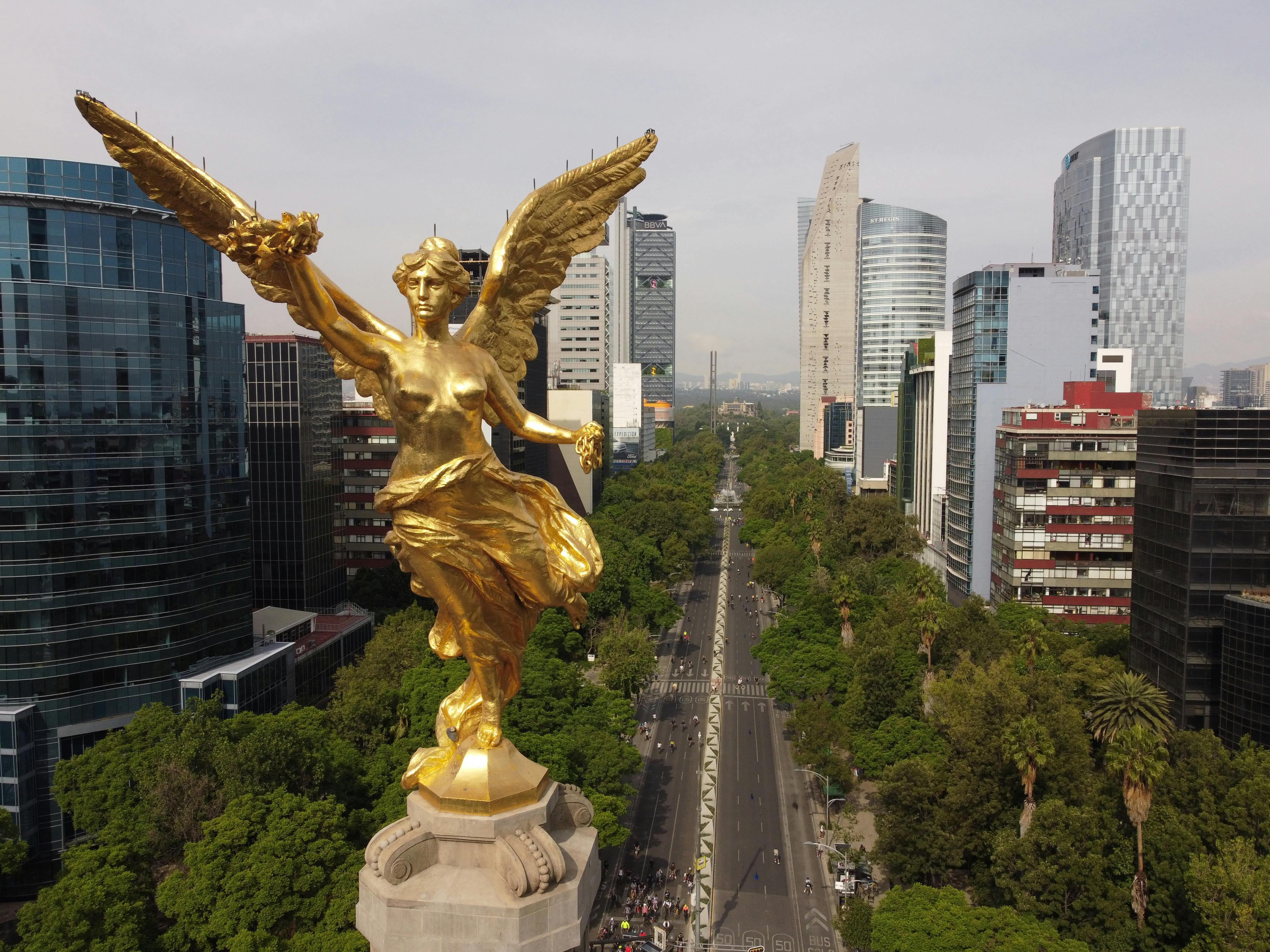
The Angel of Independence, commonly known as El Ángel, is one of the most iconic monuments in Mexico City. Located on the roundabout along Paseo de la Reforma, it was inaugurated on September 16, 1910, by President Porfirio Díaz to commemorate the centennial of the beginning of Mexico’s War of Independence.
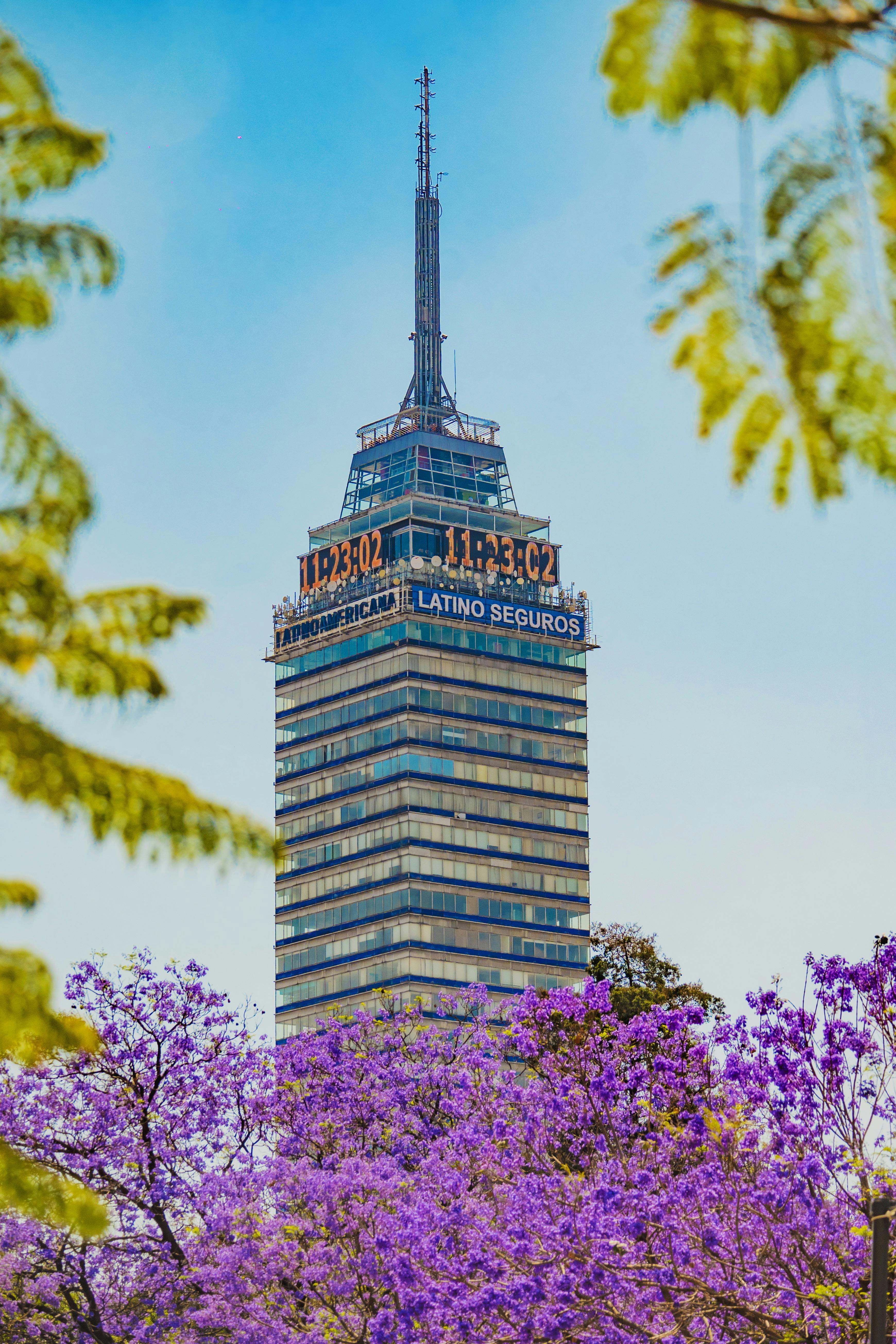
The Torre Latinoamericana is one of the most iconic skyscrapers in the Historic Center of Mexico City. Inaugurated in 1956, the building stands 166 meters tall with 44 floors and was once the tallest building in Latin America. It is also recognized as the first skyscraper in the world to use glass and aluminum as part of its structural design, marking a milestone in modern architecture.
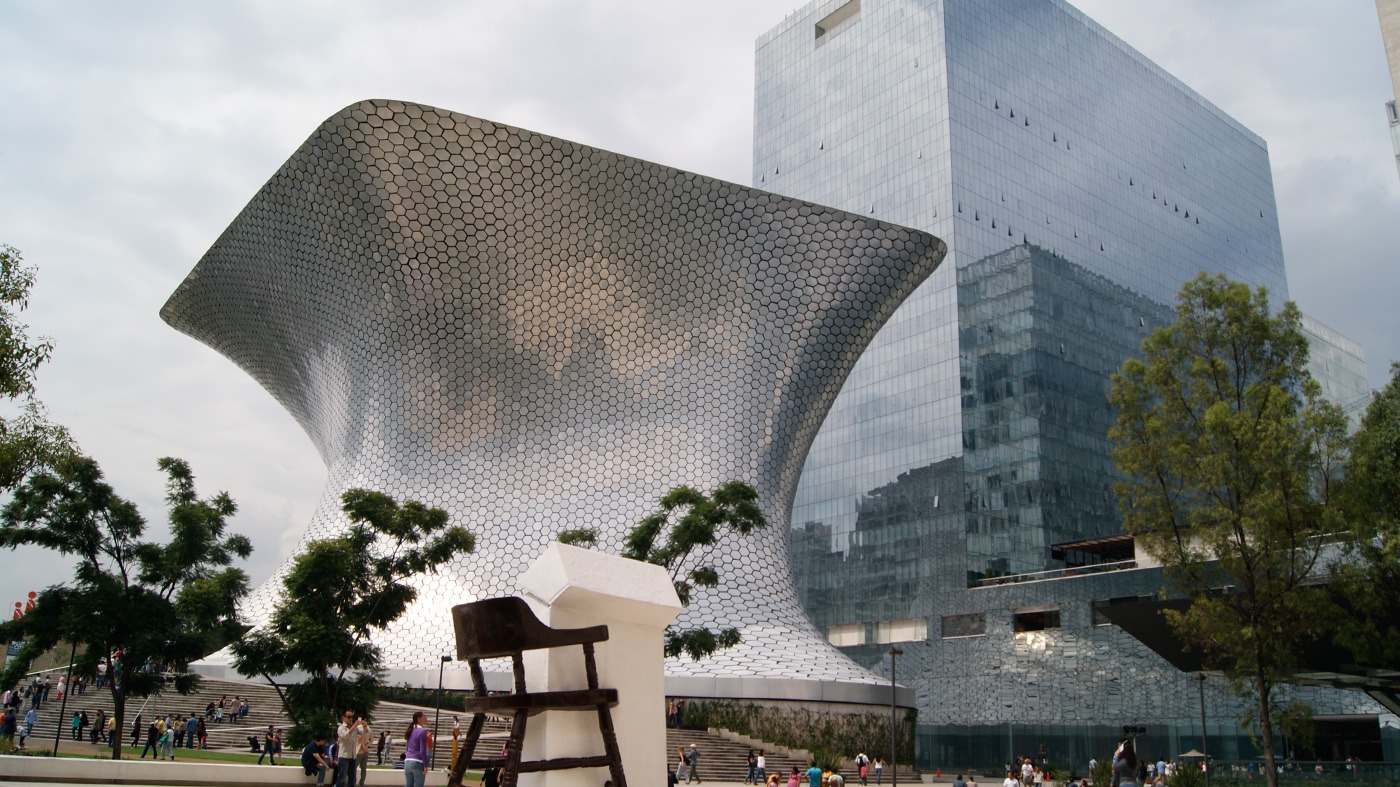
The Soumaya Museum houses an extensive collection of more than 66,000 works of art, ranging from pre-Hispanic Mesoamerican sculptures to modern and contemporary art. It is considered one of the most important and diverse art collections in Latin America.








-(1)-(1).png)