Museo Toma de Zacatecas
One of the most dramatic and costly conflicts of the Revolution in the North is represented in stunning detail with evocative, resonant, and critical acumen.
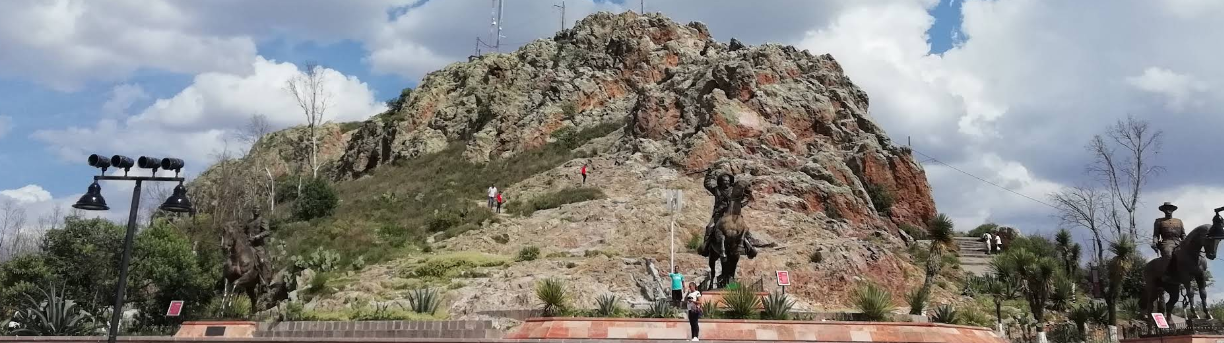
ZACATECAS.-
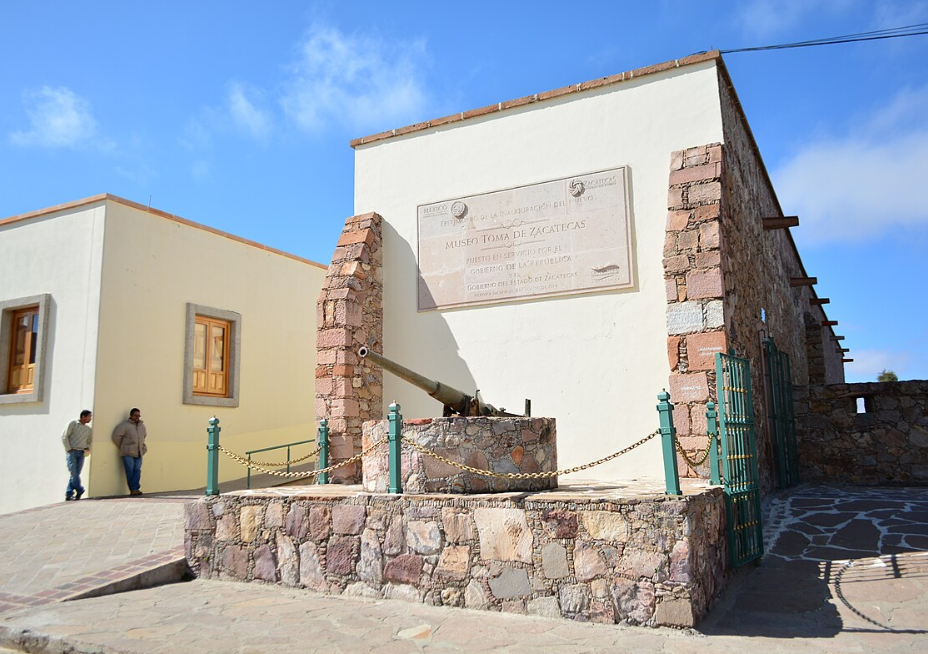
The Museo Toma de Zacatecas is a military museum dedicate to the fascinating Battle of Zacatecas, that sounds a little better in Spanish when it's called "The Taking of Zacatecas." This battle was the single bloodiest battle in the campaign to overthrow Victoriano Huerta, still known in Mexico as El Usurpador, that is, the Usurper. The campaign helped to cement Pancho Villa and his División del Norte as the new leaders of the north of Mexico and led to the demoralization of Huerta's supporters, He eventually fled the country.
Even with this victory, the battle led to Pancho Villa break with Constitutionalist leader, Venustiano Carranza, and the Revolution would drag on for five more years. It also marked the end of the old Mexican federal army.
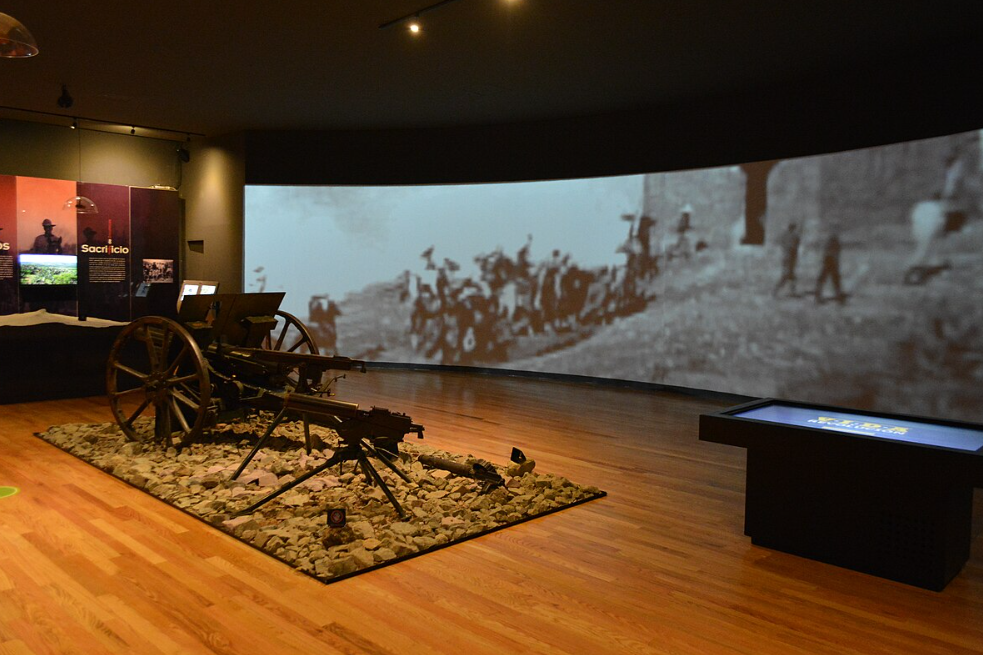
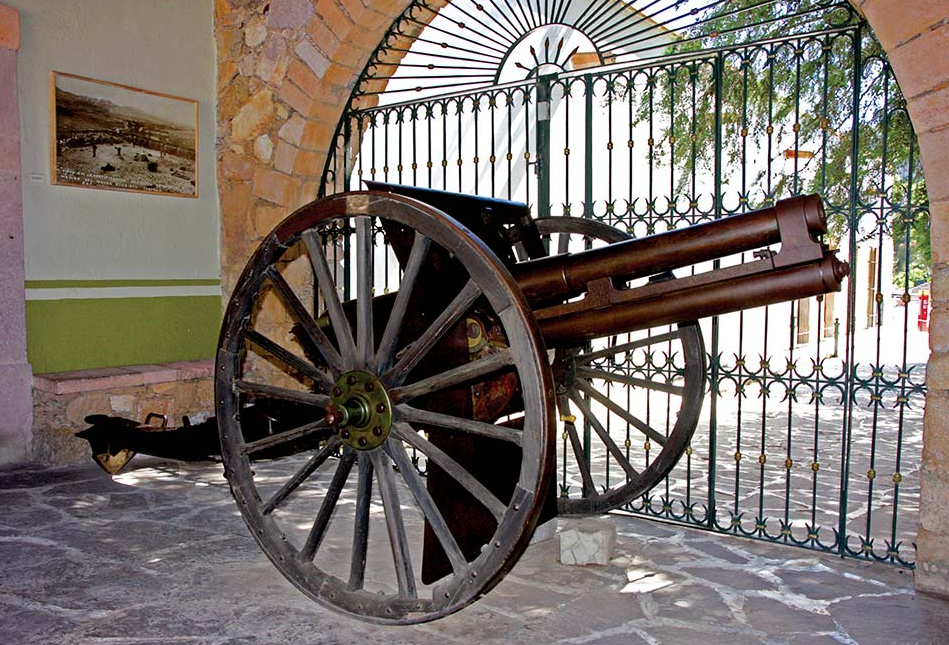
The collection of the museum was all gathered from fallen soldiers and from the immediate area of the city. Even then, the sheer number of casualties indicated that the battle had been of historic proportions. The ten permanent galleries include heavy artillery, cannons, machine guns, some oil paintings, and printed documents related to the Revolution, and especially to the battle here. There are enlarged newspapers, photographs, furniture, clothing, and personal belongings of the people involved and their lives and losses.
More than 100 years later, some of it can seem even much older, but the presentation in the museum assures that guests remember that these were regular people like ourselves. Their beliefs clashed, but they shared much more than those differences. The museum is a vital stop for anyone hoping to understand the revolutionary period and especially for understanding the Taking of Zacatecas and its role in the fall of the Huerta presidency.
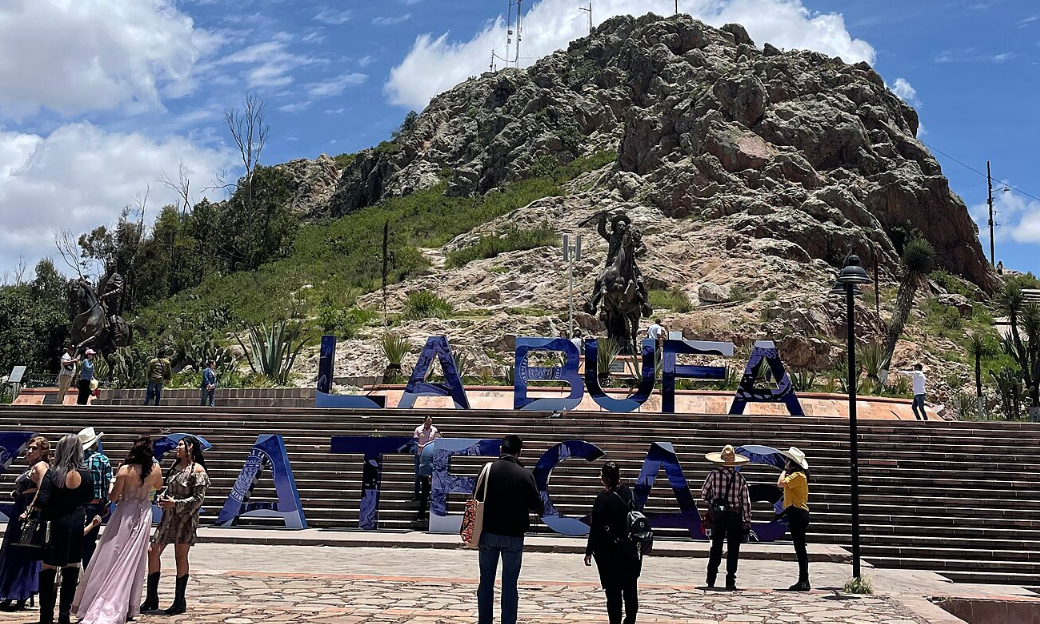
The Museo Toma de Zacatecas is also a nice stop on the Cerro de la Bufa, after a trip on the Zacatecas Teleférico. The cable car gets you here, but the museum gives you an insightful perspective on the incredible history and calamity that still resonates, even all these years later.
Hours: Daily, 10 a.m. to 5 p.m.








-(1)-(1).png)