Pedro Coronel Museum
The former Jesuit college with a hundred-year history as a prison, it makes a fantastic setting for a deep consideration of the European, ancient, Asian and contemporary Mexican art all within.
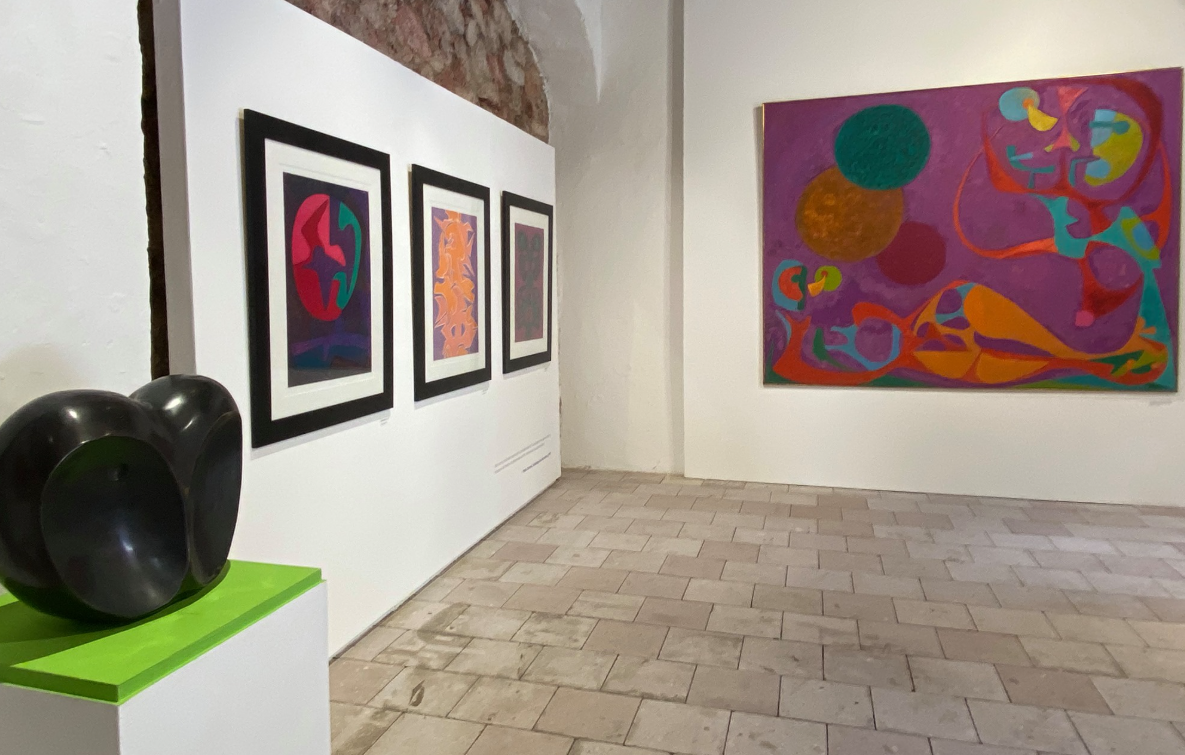
The Pedro Coronel Museum is a major cultural institution in the historic center of the capital of Zacatecas. The collection resulted from a major donation in the 1980s from artist Pedro Coronel after his many years working as an artist in Paris. The collection includes not just his own works but those by his contemporaries, among them Kandinsky, Picasso, Dalí, Chagall, and others. The strong mid-20th century collection is housed in the historic former College of Santo Domingo.
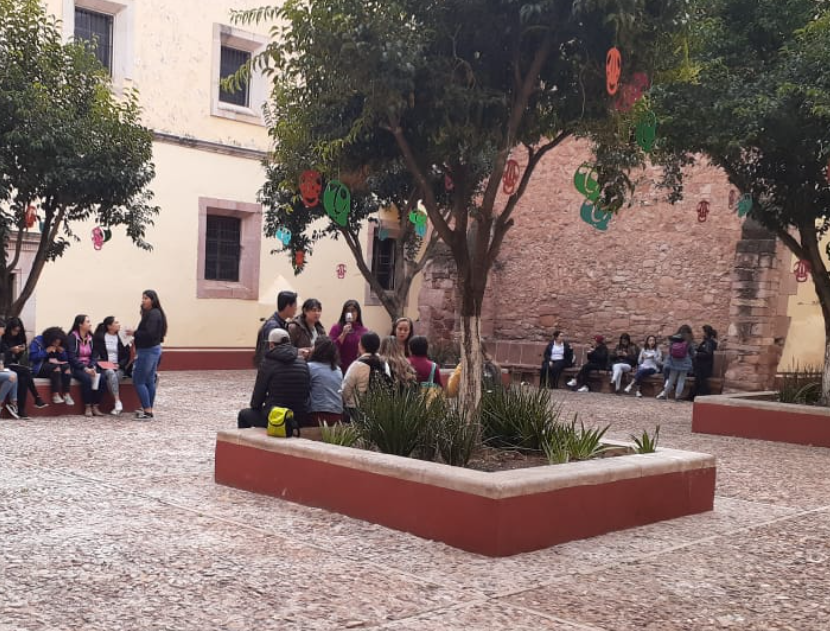
The building began as the headquarters of the Jesuits who built a previous version of the College here already in the late 16th century. In 1616, a church, cloister, and school were all donated to the Jesuits and they remain to this day. The enormous school included two cloisters of two levels each and multiple classrooms, living quarters, a library, a chapel and a service patio. The Immaculate Conception operated here until all Jesuits were expelled from Mexico in 1767. The Dominicans took over the complex in 1785 and they continued some educational activities while converting most of it to a monastery.
But they abandoned it after the Reforma period of the mid-19th century. The local government then converted the giant complex to a prison with multiple elaborately named dungeons. It thus operated until the mid-20th century. In 1983, it was carefully restored to receive the museum collections. These include Mesoamerican artworks, ritual masks from around the world, Roman, Greek, Egyptian, Japanese, African, and Thai art, and paintings by great European and North American artists.
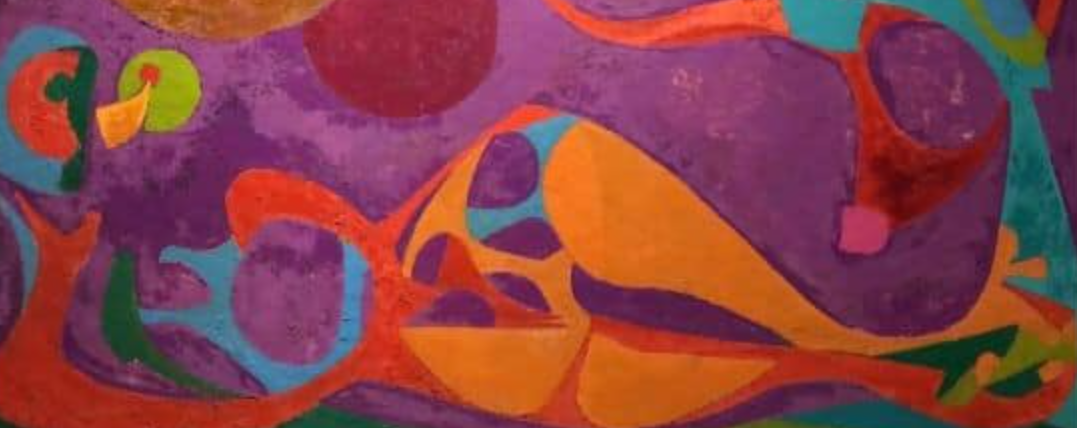
Pedro Coronel Arroyo (1922–1985) was a Zacatecas native and a painter, sculptor, draftsman, and engraver. He was well established as a painter and artist in Mexico but he spent the final decades of his life in Europe. Even with wide name recognition, his work is not well understood or seen in Mexico although the best of it seems firmly within the movement of a post-war abstractionism that leans toward 1960s op-art and neo-Surrealism. He widely celebrated and praised with important prizes and recognition during his lifetime. His brother, Rafael Coronel (1931-2019), subsequently donated his own collection for another museum just across town.
Today the two museums operate as two poles within the vibrant intellectual and cultural life of the capital, although both are visited as much for their historical settings and architecture. In particular, here, you'll still find the Elías Amador Historical Library. The collection includes some 20,000 volumes from the 16th to the 19th centuries and an interesting collection of Zacatecas currencies and coins.






-(1)-(1).png)