Editando Zona Arqueológica La Campana
Ancient ceremonial center
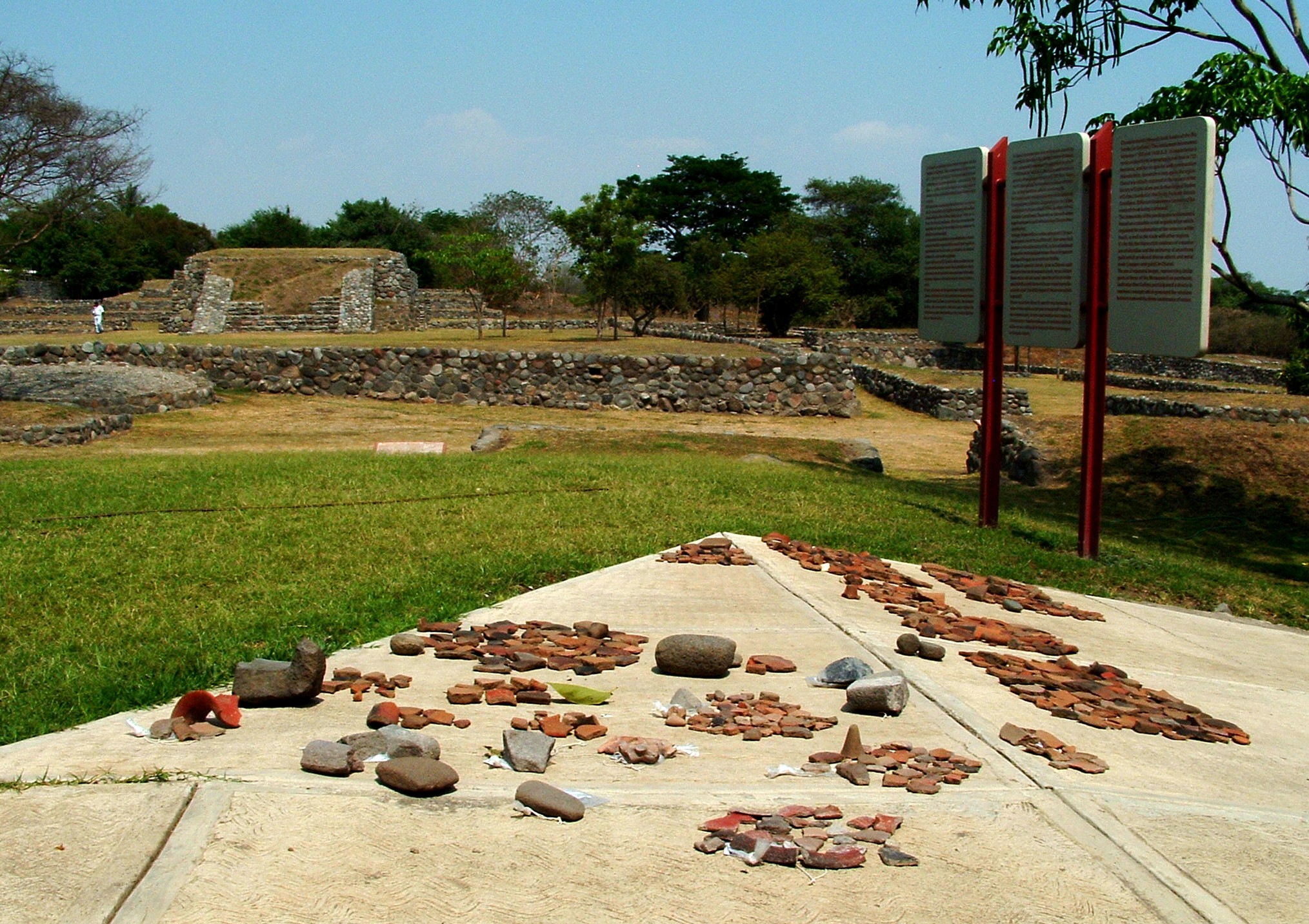
The La Campana Archaeological Zone, located in the state of Colima, is one of the most important pre-Hispanic sites in western Mexico. Its history dates back to the Late Preclassic period (around 300 BC), and it reached its peak during the Classic period (AD 200–900), when it established itself as a major urban, political, and ceremonial center in the region.
The site is characterized by its remarkable urban planning, which includes plazas, platforms, pyramidal bases, altars, underground drainage systems, and a network of cobblestone paths. One of its most notable structures is a pyramid with a circular base—an architectural form rare in Mesoamerica—associated with the wind deity, suggesting possible cultural links to other regions of the country.
Among La Campana’s most outstanding features are its petroglyphs, human burials, and stone sculptures—such as the famous "Dancer" figure—which reflect the ritual and symbolic aspects of its ancient inhabitants' worldview. Archaeological evidence indicates that La Campana maintained trade and cultural ties with other Mesoamerican cultures, such as Teotihuacán and the peoples of western and northern Mexico.
The site has been only partially explored, retaining an aura of mystery. Its natural setting, surrounded by tropical vegetation and offering views of the Colima Volcano, creates a unique landscape that enhances the visitor experience.
Today, La Campana is a major cultural and tourist attraction in the state of Colima. Visiting the site offers insight into the ancient civilizations of western Mexico; while less well-known than those of the Central Highlands or the southeast, they played a fundamental role in the cultural diversity of Mesoamerica.