Alberto Ruz L’Huillier Palenque Site Museum
The Guardian of Palenque: 66 Years of Maya History, Art, and Mystery.
The history of the Alberto Ruz L’Huillier Palenque Site Museum began 66 years ago with a modest structure built from wooden logs and palm thatch. Today, it has become one of the most important archaeological museums in the Maya region.
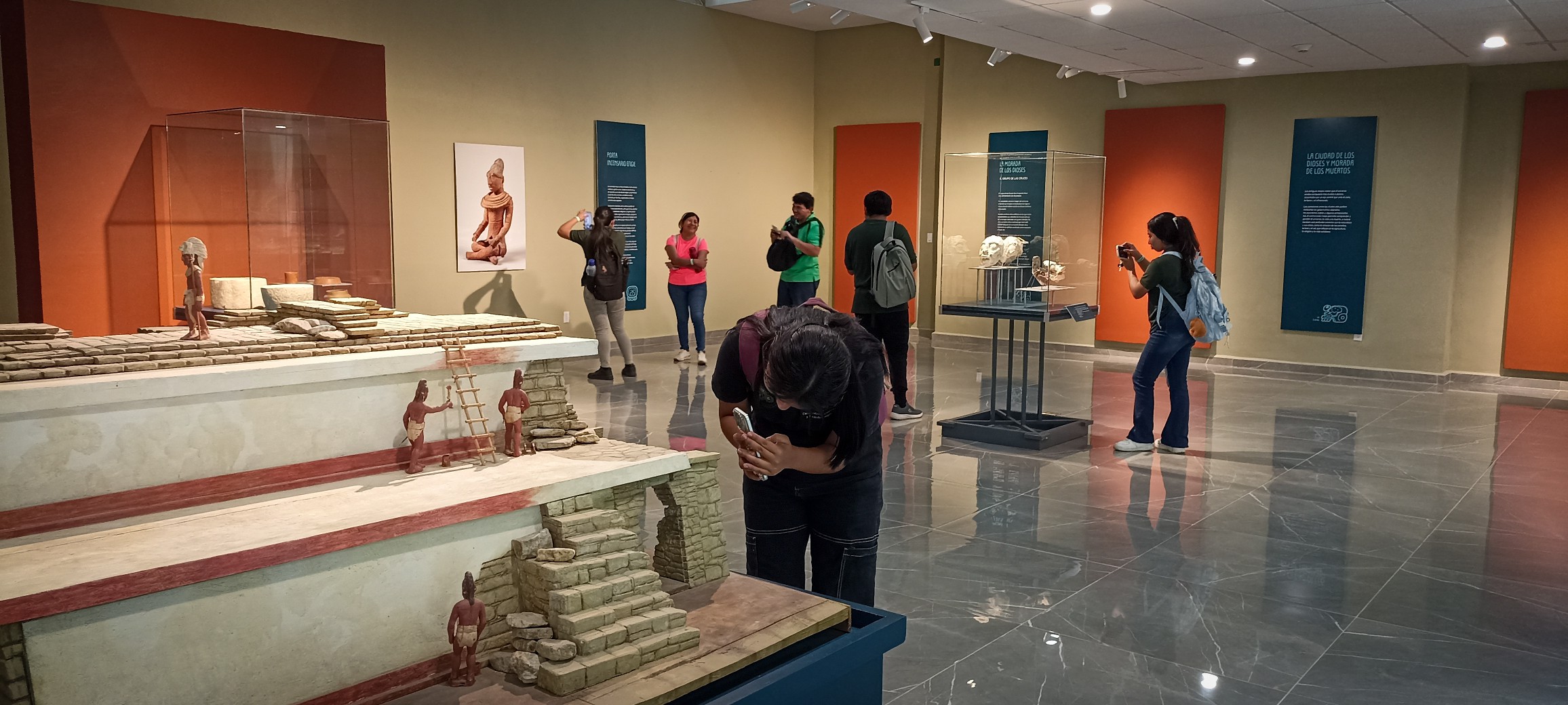
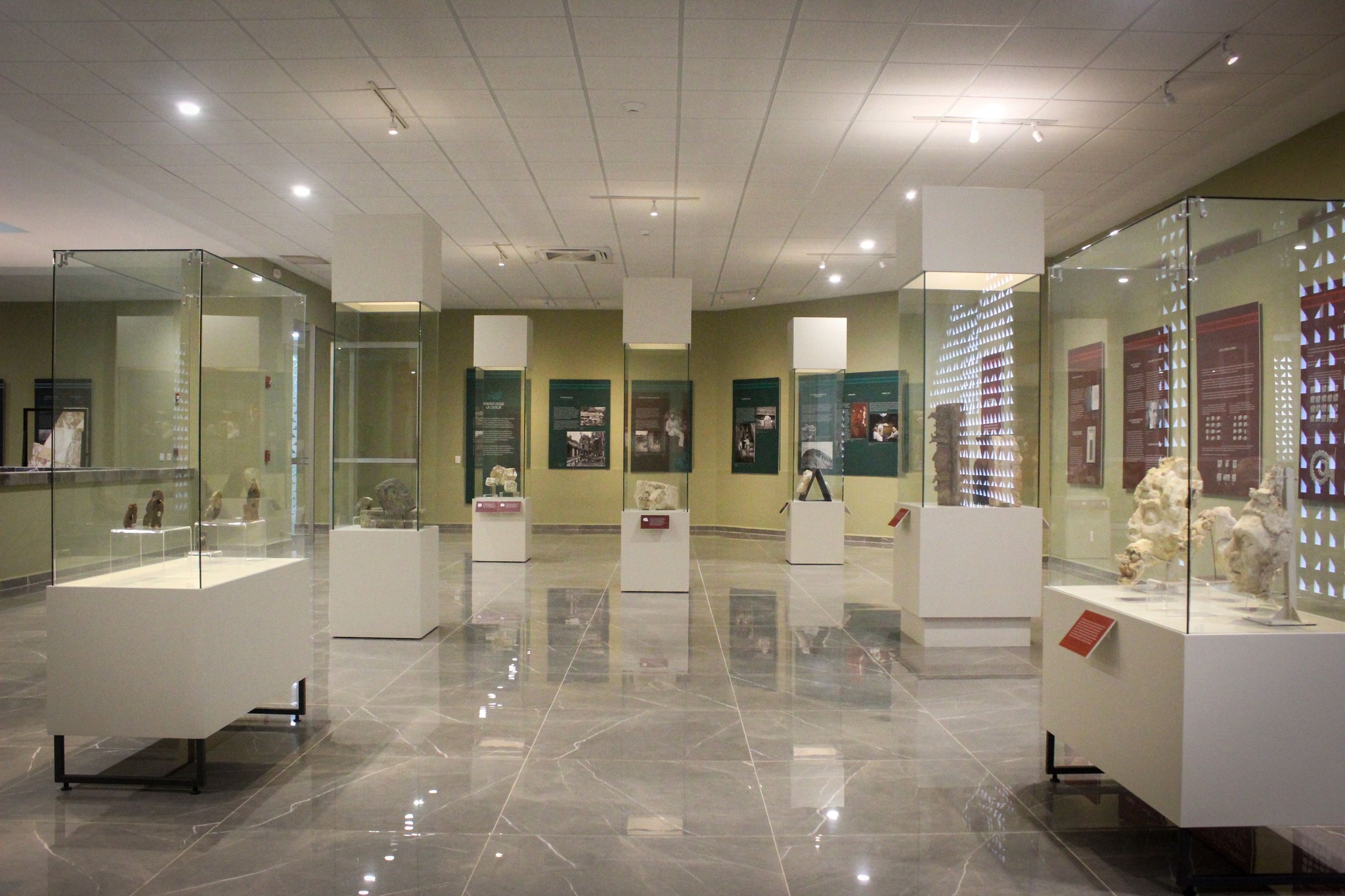
The museum features six permanent exhibition galleries, housing more than 260 archaeological artifacts recovered directly from research and excavations at the Palenque Archaeological Site. Among its most remarkable pieces are clay figurines, limestone sculptures, and glyphic panels. The museum’s upper floor is dedicated to temporary exhibitions.
The City Deciphered
Eternal Green
The Inhabited City
The Dwelling Place of the Dead
City of the Gods
These sections explore key topics such as the decipherment of Maya writing, the use of natural resources, urban development, ceremonial architecture, and the religious and political practices of Palenque’s ruling dynasties.
In addition to displaying valuable artifacts rarely seen by the public—many of which were kept in storage for decades—the museum incorporates multimedia resources, including videos, touchscreens, and timelines. One of its most striking features is a three-dimensional representation of the incense-burner stands, depicting the faces of the divine triad (GI, GII, and GIII) or ancestors of Palenque’s ruling dynasty.
The interpretive gallery of the crypt of the Temple of the Inscriptions, associated with the remains of K’inich Janaab’ Pakal, ruler of Palenque during the 7th century.
The funerary offerings of his consort, Tz’ak-b’u Ajaw, known as the “Red Queen.”
Early inscriptions (AD 400–600) recovered at the archaeological site.
The Temple XVII Panel, also known as the Warriors’ Panel, created during the reign of K’inich Kan Bahlam.
Each gallery and artifact offers new insights into the complexity of Palenque as a ceremonial and political city, as well as its development into one of the most sophisticated centers of the Maya world.