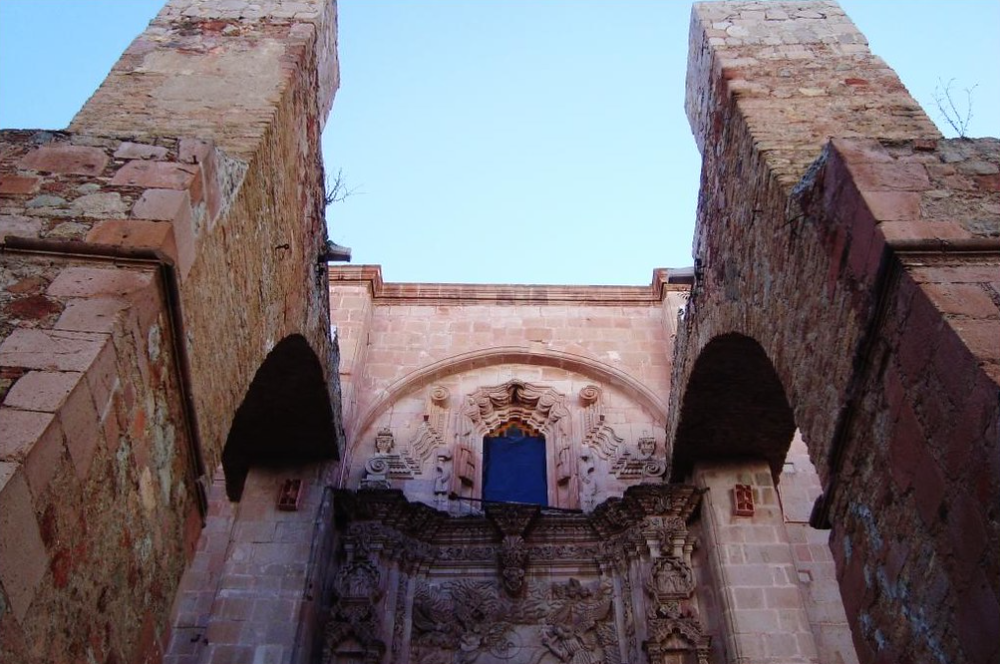
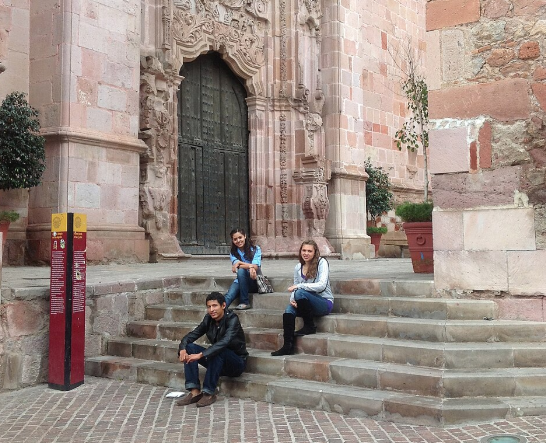
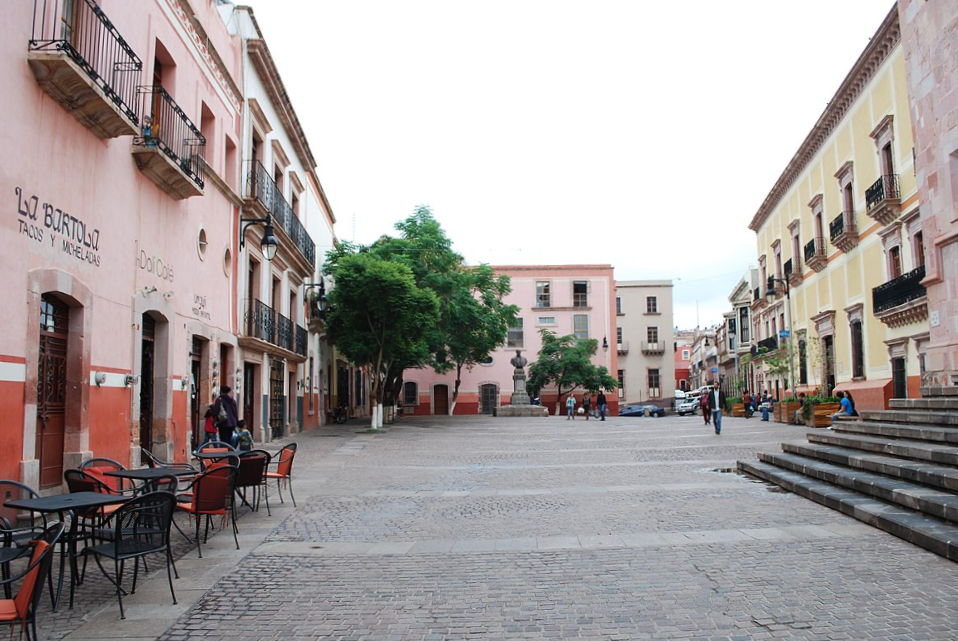
An almost mythical expression carved in stone, it stands at the very center of life in Zacatecas and still seems to resonate with the centuries of history it has witnessed.
Ex Templo de San Agustín
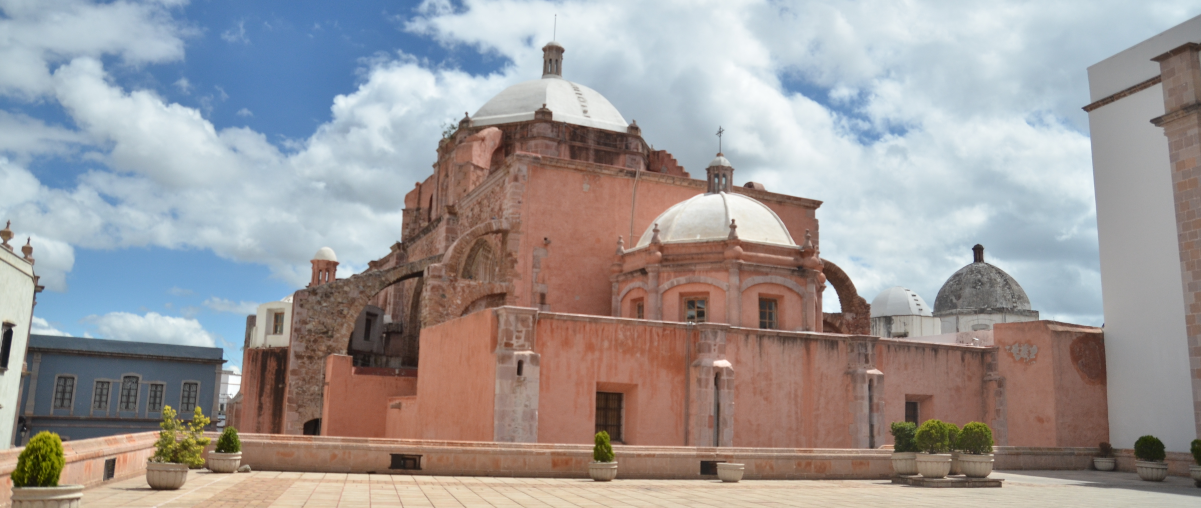
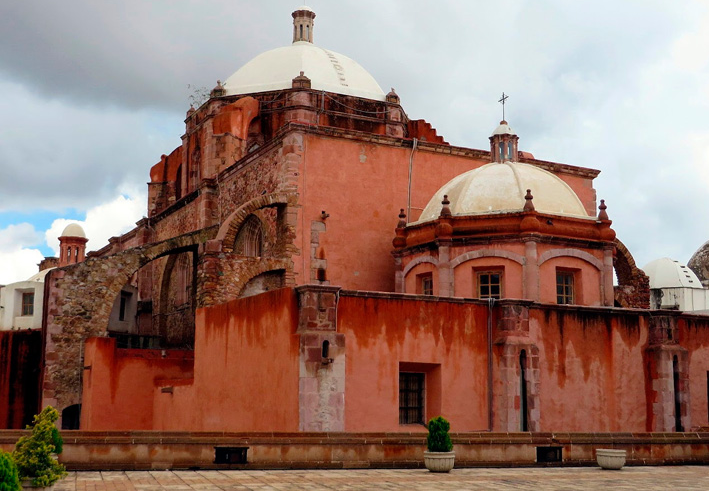
The Ex Templo de San Agustín is one of the great mysteries and treasures at the heart of the Zacatecas capital region. Just walking past the tremendous stone buttresses on the north side of the building serves to remind most visitors that this is somewhere special, and with all its ringing similarities, it's unlike anyplace else in the world. The church is mysterious because unlike most temples of this size and prominence, this one has not served its intended purpose in a very long time. Although it did briefly serve as a Presbyterian church, it's been a cultural center since the mid-1960s. The fantastic building was begun already in the late 16th century, within memory of the Augustinian's arrival here in 1576. After a false start, it was completely rebuilt beginning and 1613 and construction lasted all the way until it finally re-consecrated in 1772. Imagine how many generations lived and died in that time. It was updated to conform to the Baroque style of the time, with estípite columns. Construction then began on the cloisters to the south of the main temple, and these today house the diocese of Zacatecas.Monks were still living inside until 1859, when they finally abandoned it during the Reforma War. The government formally took it over in 1860 and this is when it was somehow converted for use as a hotel. The widow of the former governor then sold the complex to the Evangelical Presbyterian Society and they adapted much of the main nave to serve as a dwelling. During this time, many severe alterations were made, but some of them preserved the stone work that was later restored, althought the main west-facing façade could not be restored. It was eventually sold back to the Catholic church. Some historical drawings were eventually found to help with the restoration, as it had been declared a public monument in 1953. Today the former temple is used for exhibitions and cultural events. It's still considered one of the most important architectural works in the city. As it's also part of the UNESCO List of World Heritage sites, and part of the Camino Real de Tierra Adentro, it's also an important stop on any tour of the central city. The former temple is also just north of the crooked and really fascinating neighborhoods of the central city. Exploring is often combined with trips to the Cathedral, the Plaza de Armas, and the Mercado Genaro Codina.
Support chat
Kúul
Hi, my name is Kúul! Tell me about your interests or the type of experiences you're looking for, so I can offer you more personalized recommendations.








-(1)-(1).png)


_gmxdot_png)